Builders' Waste and Renovation Clearance in Bristol: What It Costs and How It Works
A typical kitchen rip-out produces 1.5 to 2 tonnes of waste. A full bathroom, around a tonne. Knock through a wall in one of Bristol's Victorian terraces and you're looking at rubble alone that would fill half a builder's skip. Construction and demolition accounts for around 60% of all waste produced in the UK - roughly 137 million tonnes a year - and a decent slice of that comes from ordinary home renovations, not building sites. Bristol homeowners renovate a lot: the city's older housing stock means kitchens, bathrooms, and layouts that date back decades, and with the average Bristol house price sitting well above £350,000, improving beats moving for many. The waste is the part nobody budgets properly for. This guide covers what builders' waste clearance costs in Bristol, why renovation waste is charged differently from household junk, and how to avoid the mistakes that make it expensive.
Why Renovation Waste Is Different From Household Waste
The first surprise for most Bristol homeowners: renovation waste is not household waste, even when it comes from your own house. DIY construction waste - rubble, plasterboard, old kitchen units, tiles - is classed differently, and Bristol City Council's recycling centres restrict how much of it householders can bring in. Small quantities are accepted with limits per visit, but a full bathroom rip-out will exceed them fast. The rules and current allowances are on Bristol City Council's bins and recycling pages, and they're worth reading before you assume free disposal.
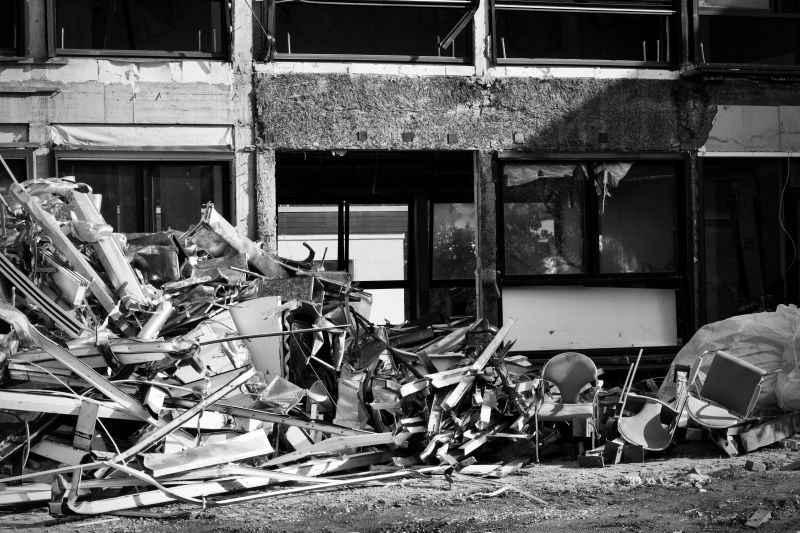
Weight is the other difference. Household clearance is priced mostly by volume; builders' waste is dense. A cubic metre of mixed rubble weighs 1.2 to 1.5 tonnes - ten times the density of general household junk. That's why a "small" pile of broken tiles and plaster costs more to shift than a room full of furniture, and why any quote that ignores what the waste is made of should make you suspicious.
If you're partway through a renovation and the waste pile is winning, B's Waste Removal clears builders' and renovation waste across Bristol - single collections or staged pickups timed around your project.
What Builders' Waste Clearance Costs in Bristol
Man-and-van renovation waste collection in Bristol typically runs:

Small load (roughly a quarter van - one bathroom's worth of light waste): £90 - £150.
Half van load (kitchen units, worktops, mixed strip-out waste): £160 - £250.
Full van load (around 10 - 12 cubic yards of mixed renovation waste): £280 - £420.
Heavy materials change the numbers. Rubble, soil, tiles, and plaster are usually priced per bag or per tonne - expect £2 - £4 per rubble sack or £80 - £150 per tonne on top of standard rates once a load goes heavy. Plasterboard is charged separately by most firms (£10 - £25 per sheet-equivalent) because it legally cannot be mixed with general waste at disposal - the gypsum produces toxic hydrogen sulphide gas in landfill.
How That Compares to a Skip
An 8-yard builder's skip in Bristol costs £280 - £380, plus £75 - £120 for a council skip permit if it sits on the road - and in Bristol's resident parking zones that permit takes arranging. A skip makes sense for a long project generating waste over weeks. For a finished rip-out where the waste is ready to go now, a collection is usually cheaper and it's gone the same day, with no fortnight of your neighbours' passers-by topping the skip up for free.
What Can and Can't Be Collected
Most renovation waste is straightforward: timber, kitchen units, worktops, tiles, rubble, bricks, old radiators, bath tubs, metal, packaging, and offcuts all go in a standard builders' waste collection. Around 90% of construction waste is recoverable with proper sorting - metal and clean rubble have genuinely high recycling rates, with crushed rubble reused as aggregate.
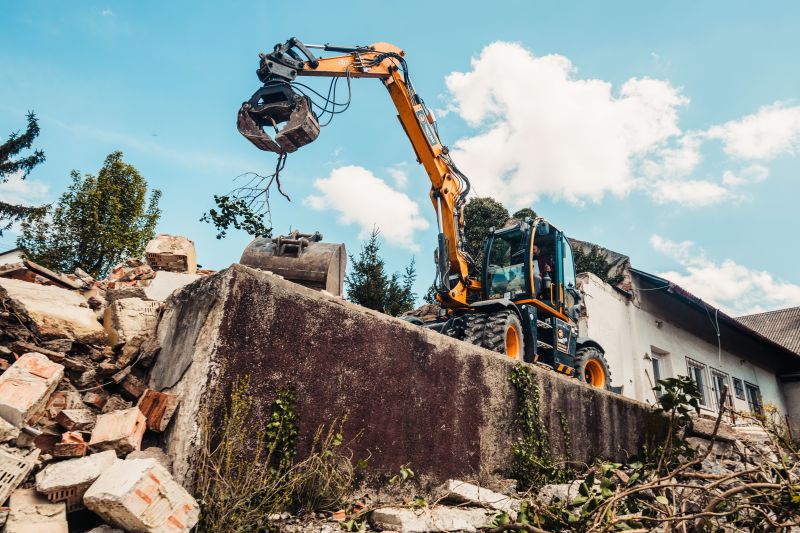
Some materials need separate handling, and it pays to know before the van arrives:
Plasterboard, Paint, and the Awkward Stuff
Plasterboard must be segregated - keep it in separate bags from day one and you'll save money and hassle. Liquid paint is hazardous waste and can't go in a general load. Asbestos is the big one for Bristol: any property built or refurbished before 2000 can contain it, and in practice it turns up constantly in this city's housing stock - Artex ceilings, floor tiles, garage roofs, pipe lagging. If you suspect asbestos, stop and get it tested (around £30 - £60 per sample) before anyone disturbs it. Licensed removal is a separate specialist job that no standard clearance firm should touch.
The Legal Bit: Duty of Care and Waste Carrier Licences
Here's the part that can cost you £5,000. As a householder, you have a legal duty of care to check that anyone taking waste from your property is authorised to carry it. If your renovation waste ends up fly-tipped - and construction waste is one of the most fly-tipped categories in England, with local authorities handling over a million incidents a year - you can be fined even though someone else dumped it.

The check takes under a minute: search the firm on the Environment Agency's public register of waste carriers before booking. A legitimate company will also issue a waste transfer note describing what was taken and where it went. The government's guidance on managing waste responsibly sets out what businesses handling your waste are required to do. Anyone quoting suspiciously cheap, taking cash only, and getting cagey about paperwork is telling you where your waste is headed.
Renovating in Bristol: The Local Complications
Bristol adds its own friction to waste removal. The city's Victorian and Edwardian terraces - the bulk of housing in Bedminster, Easton, Bishopston, and Greenbank - have no side access, so every bag of rubble comes through the house. Protect floors and expect the carry-out to take real time: a tonne of rubble is 40 - 50 sacks, each one walked through your hallway.
Parking is the second issue. Resident parking zones cover most of inner Bristol, and steep streets in Totterdown, Kingsdown, and Cliftonwood mean the van sometimes can't stop directly outside. Flag this at booking - a firm that knows Bristol will plan for it rather than discover it on arrival. Weather matters more than people think, too: Bristol gets around 800 - 900mm of rain a year spread over roughly 160 wet days, and rubble sacks left in the garden drink it up. Wet rubble weighs 10 - 15% more, and some firms charge by weight.
Staged Collections Beat One Big Clearance
For a renovation running over several weeks, booking two or three smaller collections usually beats one giant one. You keep working space clear, the waste never gets rained on for a month, and you avoid the access problem of a waste mountain blocking its own route out. We've compared the options in more detail in our guide to skip hire versus man and van clearance in Bristol- worth a read before you commit either way.
How to Keep Your Renovation Waste Bill Down
Three habits save real money. First, segregate as you go: metal in one pile, clean rubble in another, plasterboard bagged separately, general waste last. Sorted waste is cheaper to dispose of than mixed - sometimes 20 - 30% cheaper - because clean streams skip the sorting stage. Second, sell or give away what has value: old radiators and copper pipe are worth actual money as scrap, and reclaimed Victorian doors, fireplaces, and floorboards from Bristol terraces sell quickly on local marketplaces. A cast-iron fireplace can fetch £100 - £400 rather than costing you £30 to dispose of.
Third, get quotes based on an accurate description. Photos of the actual waste pile beat a vague phone description every time, and they protect you from on-the-day price increases. Tell the firm about access, floors involved, and whether the waste includes plasterboard or anything heavy. Five minutes of honesty at booking is the cheapest part of the whole job.
---
FAQ
Q: How much does builders' waste removal cost in Bristol?
A: A small load (one bathroom's worth) costs £90 - £150, a half van load £160 - £250, and a full van load £280 - £420. Heavy materials like rubble and tiles are priced by weight - expect £80 - £150 per tonne on top - and plasterboard is charged separately because it must be disposed of apart from general waste.
Q: Can I take renovation waste to a Bristol recycling centre myself?
A: Small amounts of DIY waste are accepted at Bristol's household recycling centres, but with strict limits per visit - a full kitchen or bathroom rip-out will exceed them quickly. Check Bristol City Council's current allowances before relying on this route, and remember trade waste is not accepted at all.
Q: Why is plasterboard charged separately?
A: Plasterboard legally cannot be mixed with general waste at disposal because the gypsum in it produces toxic hydrogen sulphide gas as it breaks down in landfill. It has to be segregated and processed separately, which is why most firms price it as its own line - keeping it bagged separately from day one saves money.
Q: Am I responsible if my builder's waste gets fly-tipped?
A: You can be. Householders have a legal duty of care to check that anyone removing waste from their property holds a waste carrier licence, and fines can reach £5,000 if your waste is traced back from a fly-tip. Check any firm on the Environment Agency's public register and keep the waste transfer note.
Q: Is a skip or a waste collection better for a Bristol renovation?
A: For waste produced gradually over weeks, a skip can work - but add £75 - £120 for a road permit in Bristol's parking zones. For a completed rip-out where waste is ready to go, a man-and-van collection is usually cheaper, includes the loading, and clears the same day.
---
Ready to work with B's Waste Removal?
Let's connect! We’re here to help.
Send us a message and we’ll be in touch.
Or give us a call today at 111-222-3333
Agency Contact Form
More Marketing Tips, Tricks & Tools
B's Waste Removal