Loft Clearance in Bristol: What's Involved, What It Costs, and How to Plan It
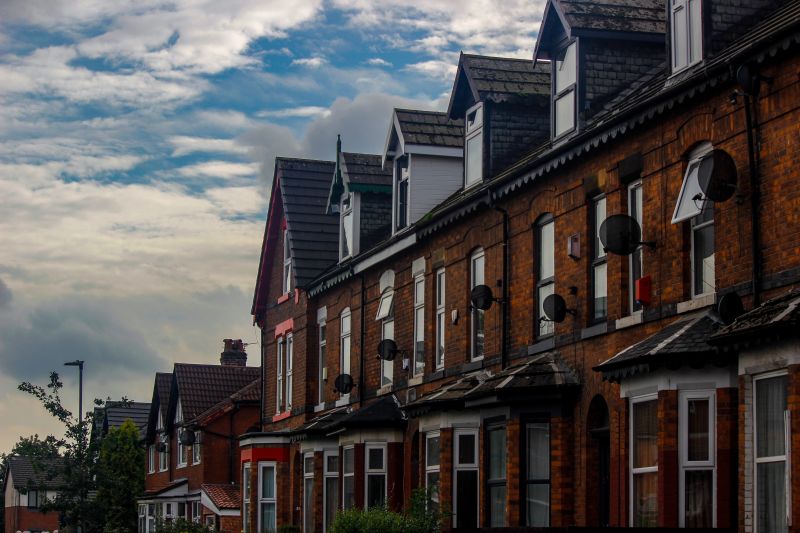
Most Bristol homeowners know the loft is full - they just don't know what's actually up there. Years of Christmas decorations, old suitcases, broken furniture, and bags of things that were too good to skip build up quietly, and getting it all down and out of the property is a bigger job than it looks from the hatch. Research from the Furniture Reuse Network suggests the average UK household holds over 300kg of unwanted items, with a significant proportion ending up in lofts. In Bristol, where Victorian and Edwardian terraces make up much of the housing stock, loft spaces can be surprisingly large - and surprisingly full. A two-bedroom terrace can hold the equivalent of a full skip's worth of material once it's all brought down and sorted.
What Makes a Loft Clearance Different from Other Jobs
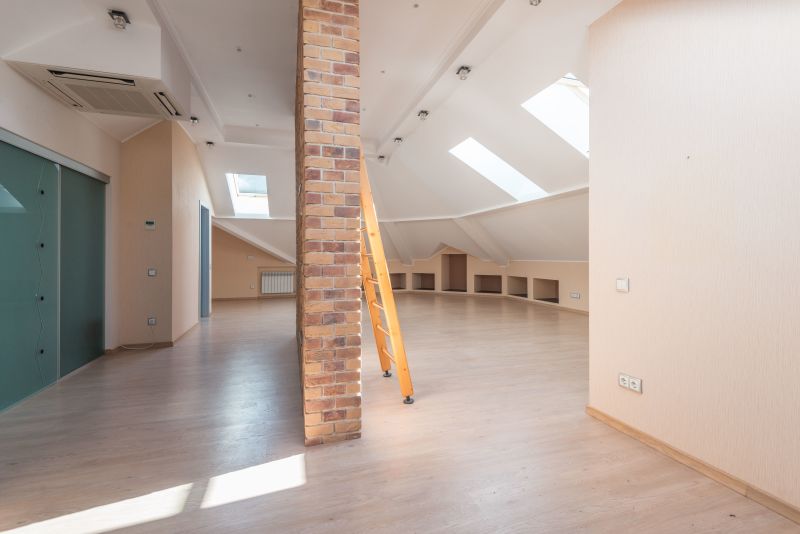
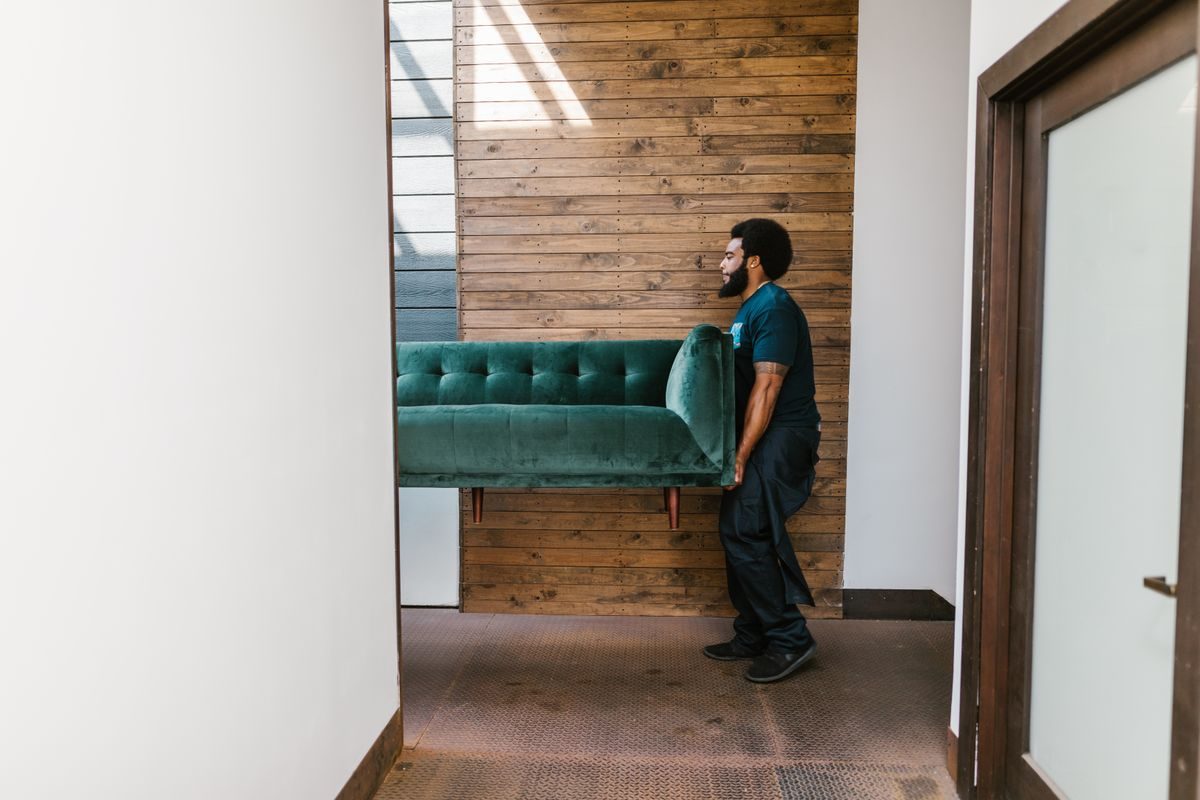
Loft clearance is physically different from clearing a ground-floor room. Everything that comes out has to come down - usually through a narrow hatch and down a steep loft ladder, in pieces where possible, or in one piece if there's no other option. Old wardrobes, bed frames, and furniture carried up in sections years ago sometimes can't come back down the same way. It adds time. It adds effort.
B's Waste Removal handles loft clearances across Bristol, including properties with difficult access. Knowing when to dismantle, when to manhandle something in one piece, and how to protect stairwells and ceilings on the way down makes a real difference to how long the job takes and how clean the property is left.
Loft access varies considerably in Bristol's older housing stock. Some lofts have proper boarding and good headroom. Others have bare joists and a low-pitched roof where you're working hunched over. Both are normal - but the second type is slower.
What You'll Typically Find in a Bristol Loft
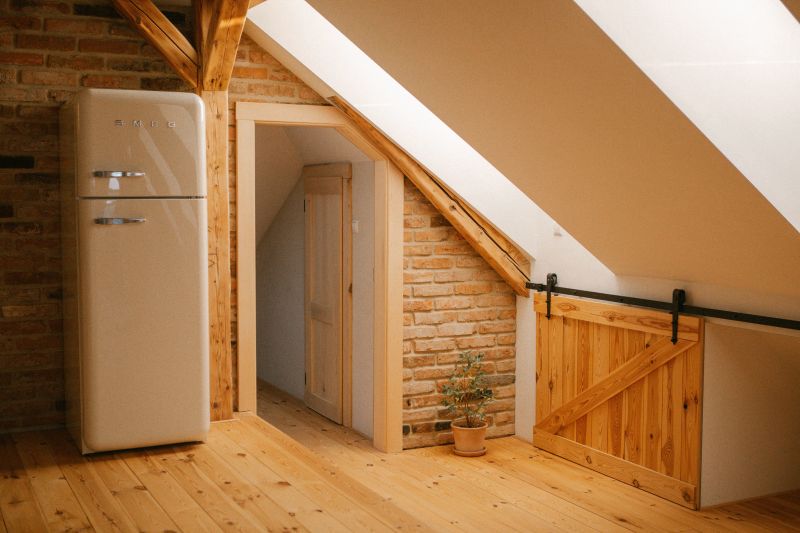
Every loft is different, but clearance teams see the same categories of things over and over: furniture (bed frames, wardrobes, dining chairs, small tables, often broken or water-damaged), bags and boxes of clothing that are almost always damp, children's equipment that's been outgrown (pushchairs, cots, car seats, booster chairs), old electrical items from previous decades, and soft furnishings that were folded to fit through the hatch years ago.
Sorting before the team arrives is always worth doing. Documents to keep, items that can go to charity, things with genuine resale value - these are much easier to identify when you're not under time pressure. Once items are being handed down the ladder is not the moment for second thoughts.
How Sorting, Donating, and Disposal Works
A good clearance company doesn't just skip everything. Items in usable condition - furniture, clothing, toys - go elsewhere where possible. Bristol has several furniture reuse charities that collect from clearances, and the Furniture Reuse Network's directory lists Bristol-based organisations that can take items directly.
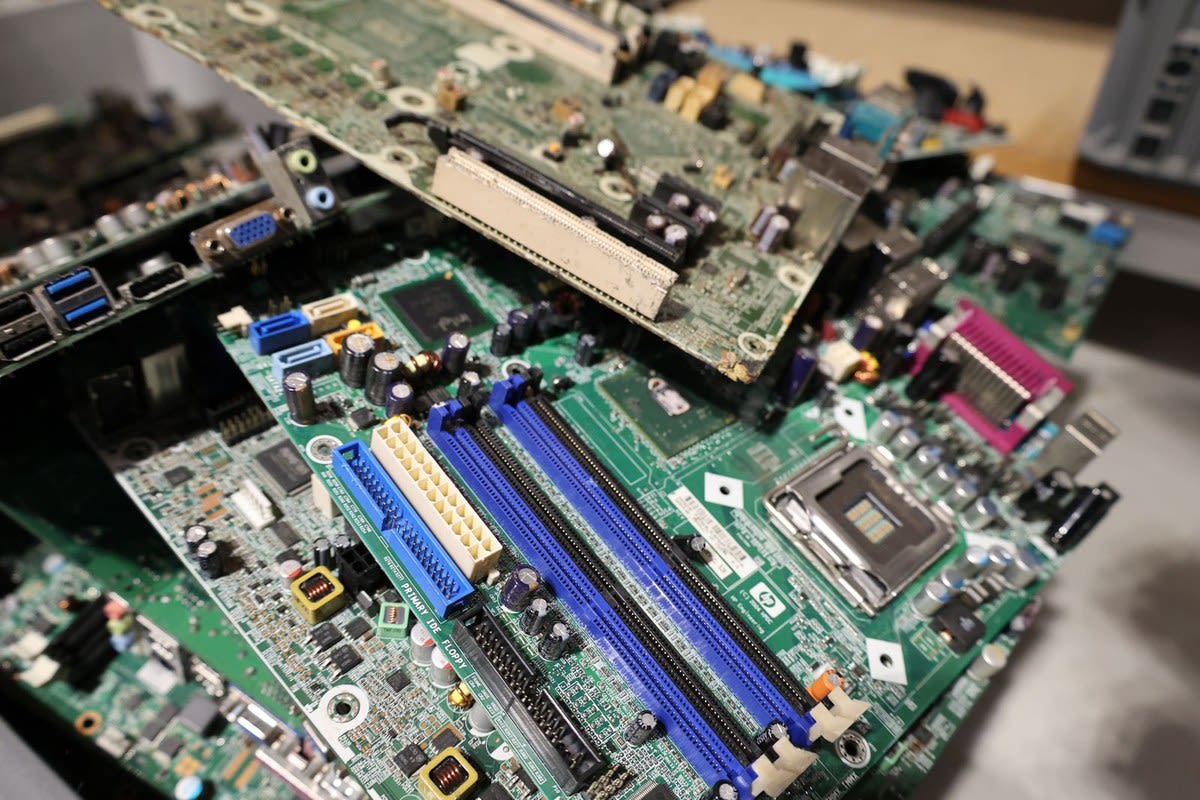
What can't be donated gets sorted for disposal. General household waste goes through licensed waste transfer stations. Electrical items (WEEE) - televisions, computers, kitchen appliances - are handled separately under current regulations. Mattresses and soft furnishings have specific disposal routes and can't go to standard landfill.
Any Bristol clearance company should hold a valid Waste Carrier Licence from the Environment Agency. You can check a company's licence at the Environment Agency's public register before booking.
Preparing the Loft Before the Team Arrives
Walk the loft if you safely can before the clearance day. Set aside anything you want to keep - ideally move it to one corner or mark it clearly. If there are items you're unsure about (old paperwork, jewellery boxes, things tucked into bags), check them before the team arrives rather than on the day. Decisions are much easier when you're not holding up the work.
What Access Looks Like for a Bristol Terrace
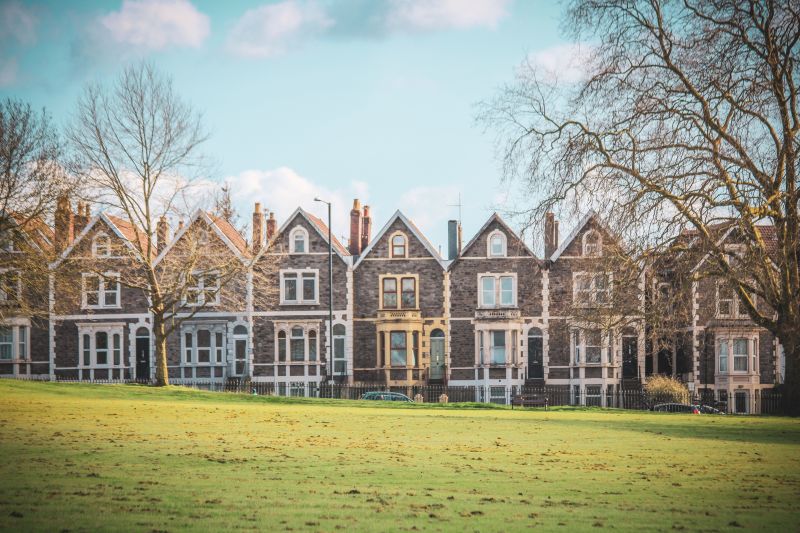
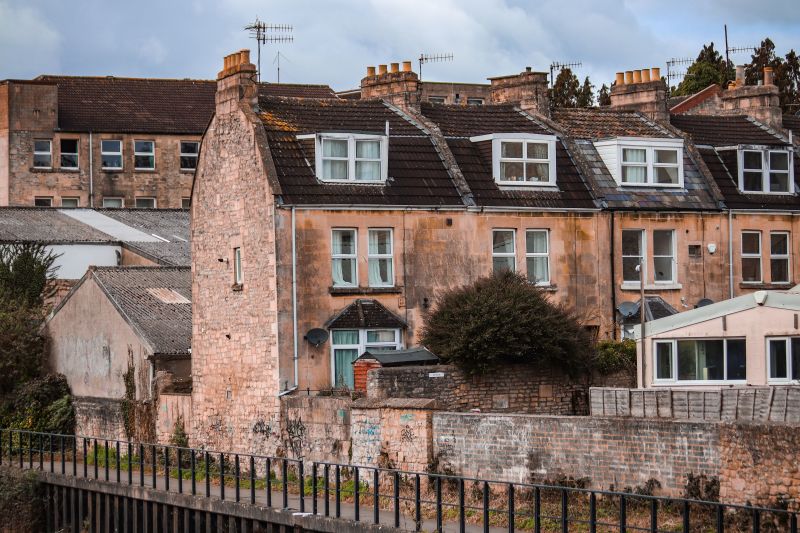
The loft hatch in a Bristol Victorian terrace is usually on the landing - often quite small. Everything comes down the stairs, through the hall, and out to a vehicle on the street. If parking is restricted, the team may need to carry items from a short distance. Loft hatches that haven't been opened in years sometimes need the seal breaking. Boards on the loft floor can be loose or soft in spots. Mention any known issues at the start so the team can adjust their approach rather than find out halfway through.
We've covered similar access challenges in our bereavement and probate clearance guide for Bristol properties- worth reading if you're dealing with an estate where both the loft and the rest of the property need clearing.
How Long a Loft Clearance Takes
A typical Bristol terrace loft with a moderate amount of contents takes 2 to 4 hours with a two-person crew. Larger lofts, heavy items, restricted access - all add time. So does sorting for donation versus straight disposal.
Bristol's weather is worth factoring in too. Lofts here accumulate moisture from the city's above-average rainfall - roughly 740mm per year compared to the UK average of around 600mm - which means items stored for years are often damper and heavier than expected.
What Loft Clearance Costs in Bristol
Small loft, light contents, good access: £150 - £280.
Medium loft - typical Bristol terrace with accumulated contents: £250 - £450.
Large or heavily loaded loft: £400 - £700+.
Price varies with volume, access difficulty, and whether any items need specialist handling. Old CRT televisions require separate disposal as hazardous waste, which adds a small charge. Bristol clearance prices have been broadly stable, though waste transfer and fuel costs have risen slightly in recent years.
FAQ
Q: Do I need to be present for a loft clearance in Bristol?
You should be on the property at the start to point out anything that should be kept and confirm what's going for disposal. You don't need to watch the whole clearance, but being available to answer questions as they come up is useful.
Q: Can you clear a loft if the boarding is thin or the joists are bare?
Yes - experienced clearance teams work from bare joists or lay temporary boards. It's slower than a fully boarded loft but is a completely normal working condition in Bristol's older housing stock.
Q: What happens to old electrical items from the loft?
WEEE items - televisions, computers, and white goods - are handled separately from general waste and go to authorised recycling facilities. A licensed clearance company handles this automatically as part of the service.
Q: Can you clear a loft if I haven't been up there in years?
Yes. Mystery lofts are a normal clearance. The team will work through what's there, set aside anything you ask them to check or keep, and take everything else away.
Q: Will the team separate items for donation?
Most reputable clearance companies will separate items in good condition for donation rather than sending everything to landfill. Ask when you book whether they work with Bristol-based reuse charities or arrange charity collections as part of the service.
Ready to work with B's Waste Removal?
Let's connect! We’re here to help.
Send us a message and we’ll be in touch.
Or give us a call today at 111-222-3333
Agency Contact Form
More Marketing Tips, Tricks & Tools
B's Waste Removal