Office Clearance in Bristol: A Guide for Businesses Moving or Downsizing
Office clearances tend to land on someone's desk as an afterthought. The lease is ending, the new space is sorted, the moving van is booked for the stuff that's coming with you, and then someone asks: what happens to the twelve desks, the dead photocopier, and four filing cabinets full of old paperwork that nobody's looked at since 2019? This guide covers what's actually involved in clearing a Bristol office properly, the rules you can't skip, and how to avoid it becoming the thing that holds up your handover.
Start With What's Actually Leaving the Building
Before booking anything, B's Waste Removal can come and assess the space, which is genuinely the fastest way to get an accurate idea of what you're dealing with.
Office clearances usually split into three rough categories: furniture and fittings (desks, chairs, partitions, shelving), electronics (computers, monitors, printers, servers, phones), and paper waste (old files, contracts, invoices). Each of these has its own disposal route, and lumping them all into one skip is often where things go wrong, especially with the second and third categories.
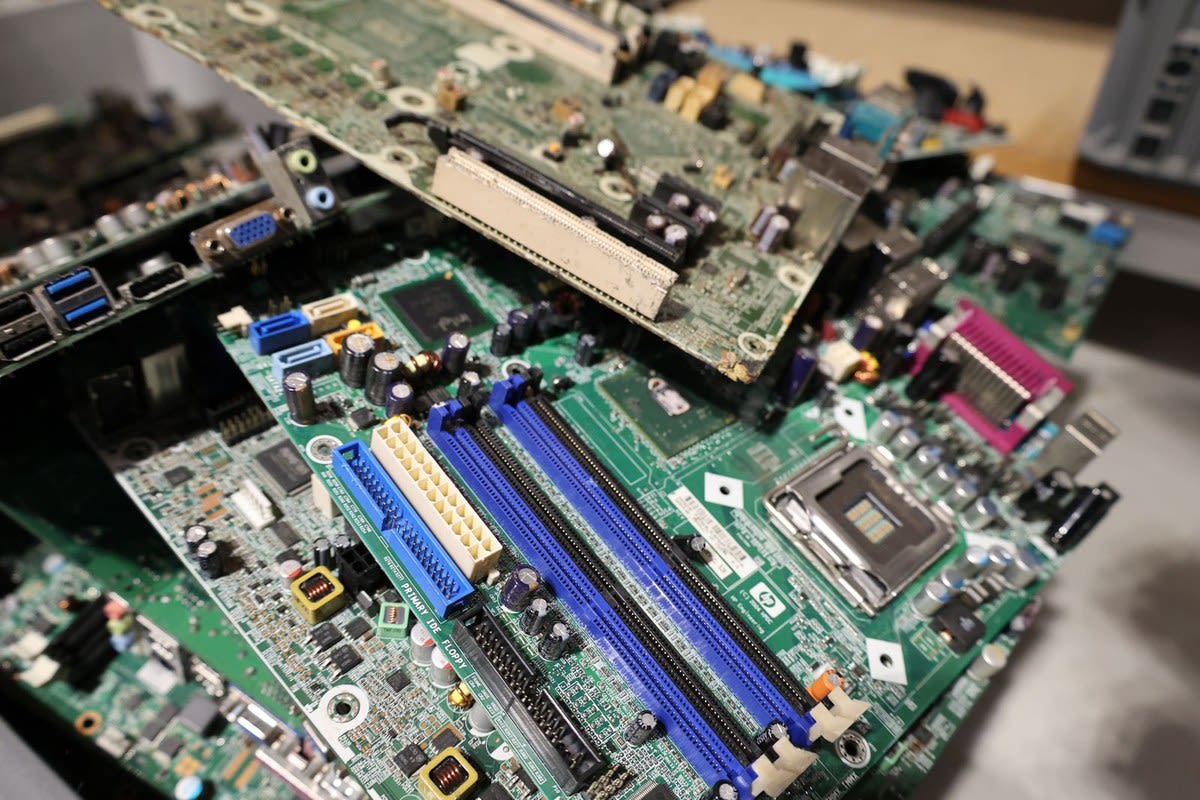
Anything with a plug or a battery, computers, monitors, servers, printers, shredders, falls under WEEE (Waste Electrical and Electronic Equipment) regulations. You can't just bin it. Businesses have a legal duty of care to ensure electronic waste is recycled or disposed of through an authorised treatment facility, and there's a paper trail involved, a waste transfer note showing where it went and that it was handled correctly.
This matters more than it sounds like it should, because if your old equipment ends up dumped illegally and traced back to your business, you're the one who's liable, not whoever you handed it to, unless they're a registered waste carrier. Always ask for a waste transfer note. If a clearance company can't provide one, that's worth treating as a red flag.
Data Security on Old Equipment
Before any computers or servers leave your premises, make sure hard drives have been wiped or physically destroyed, ideally both. A lot of businesses assume deleting files is enough. It isn't. If your old IT equipment contains client data, financial records, or anything covered by GDPR, data destruction needs to happen before the kit goes anywhere, and you should get certification of destruction for your records. This is one area where it's worth doing yourself or using a specialist IT asset disposal firm rather than leaving it to a general clearance team, unless they specifically offer certified data destruction as part of the service.
Confidential Paper Waste
Old contracts, HR files, client correspondence, anything with names, addresses, or financial details needs to go through confidential shredding, not a general waste stream. Many Bristol clearance services can arrange secure shredding either on-site or off-site with a certificate of destruction, which is the paperwork you'll want if anyone ever asks how that data was disposed of.
If you're not sure whether something counts as confidential, the safer assumption is yes. Sorting paperwork into "definitely shred" and "definitely fine to recycle" before the clearance team arrives saves time and means you're not relying on someone else to make that call about your records.
Office furniture in reasonable condition rarely needs to go to landfill. Desks, chairs, and filing cabinets that still work are often suitable for reuse through charities, office furniture recyclers, or resale, and a decent clearance company will sort this as part of the job rather than skipping everything by default.
We've written previously about house clearance costs in Bristol, and the same principle applies here: the more that gets diverted for reuse or recycling rather than going straight to a skip, the lower your overall waste cost tends to be, on top of being the more responsible option.
Timing It Around Your Move
The biggest practical issue with office clearances is sequencing. If the clearance happens too early, you're working around empty desks and missing equipment for the last week. Too late, and you risk going over your lease end date with stuff still in the building, which can mean extra rent or charges from the landlord.
The workable approach for most Bristol office moves is to clear non-essential furniture and archived paperwork first, ideally a week or two before the move, then do a final clearance of remaining desks, IT equipment, and anything left behind on the day the move happens or the day after. Booking this in advance matters more than people expect. Last-minute clearance requests around lease end dates are common enough that availability can be tight.
FAQ
Q: Do I need a waste transfer note for office clearance? A: Yes, particularly for electronic equipment. Businesses have a legal duty of care for waste they produce, and a waste transfer note proves it was handled by a licensed carrier and disposed of correctly. Always ask for one.
Q: What happens to old computers and servers during an office clearance? A: They fall under WEEE regulations and need to go to an authorised treatment facility. Hard drives should be wiped or destroyed before they leave your premises, ideally with a certificate of data destruction for your records.
Q: Can office furniture be reused rather than thrown away? A: Often, yes. Desks, chairs, and filing cabinets in reasonable condition can be donated, resold, or recycled through office furniture specialists rather than going to landfill, which also tends to reduce the overall clearance cost.
Q: How far in advance should I book an office clearance in Bristol? A: Ideally a couple of weeks before your move date for the bulk of the clearance, with a final clearance booked for the day of or just after the move. Lease-end clearances get booked up quickly, so early is better.
Ready to work with B's Waste Removal?
Let's connect! We’re here to help.
Send us a message and we’ll be in touch.
Or give us a call today at 111-222-3333
Agency Contact Form
More Marketing Tips, Tricks & Tools
B's Waste Removal