Mattress Disposal in Bristol: Costs, Recycling, and Why You Can't Just Dump It
A mattress is the single most awkward thing most households ever have to get rid of. It won't fit in a car, it won't go in a wheelie bin, and it's too big to quietly forget about in the spare room. The UK gets through roughly 7 million mattresses a year and industry estimates suggest only around a third are properly recycled, with the rest heading for landfill or incineration. In Bristol, disposal costs somewhere between £27 through Bristol City Council and £40 - £70 for a private collection, depending on how quickly you want it gone and whether anyone has to carry it down three flights of a Victorian conversion. There's also a legal side people rarely think about: hand your mattress to the wrong person and the fine can land on you, not them. Here's what it costs, where it goes, and how to do it properly.
What Mattress Disposal Costs in Bristol in 2026
There are three realistic routes, and the price gap between them is smaller than most people expect. Bristol City Council's bulky collection charges £27 for up to three non-soft-furnishing items, which is the category mattresses and bed frames fall into, rising to £52 for four to six items. A private collection typically runs £40 - £70 for one mattress, £60 - £100 for two, and £90 - £140 for a full bedroom set with the frame and base included. Taking it yourself to a recycling centre is free for Bristol residents, so the only cost is your time, fuel, and whether you own a vehicle it will actually fit in. If you'd rather it just disappeared this week, B's Waste Removal will quote a fixed price over the phone.

Council Collection vs Private Collection
The council route is the cheapest per item, but there are conditions worth knowing before you book. Items must be on the kerb by 7am, visible from the road, and crews will not open gates, enter gardens, or carry anything up or down steps. You're also asked to keep mattresses covered against rain, because a soaked mattress can double in weight and gets refused. Full booking conditions are on Bristol City Council's bulky household item collection page. Waits of two to three weeks in busy periods are normal.
A private crew costs more and does more: they come inside, take it off the bed, handle the stairs, and you get a collection slot rather than a date. For a top-floor flat in Clifton or a house with six steps up from the pavement, that difference is the whole point.
Why a Mattress Costs More to Get Rid Of Than It Looks
It's the volume and the behaviour, not just the weight. A standard double weighs 25 - 40kg and a king 40 - 55kg, which two people can manage. The problem is that a mattress takes up roughly 0.75 cubic metres of space and refuses to compress. Landfill sites hate them because they spring back, trap air pockets, and can damage compaction equipment, so many sites apply a surcharge or refuse them outright.

Then there's landfill tax, which now sits above £120 a tonne at the standard rate and rises most years. Every operator disposing of waste legally is paying that, and it's the reason a "cheap" quote well under £30 for a single mattress should make you suspicious. The maths simply doesn't work unless someone is cutting a corner somewhere.
What Actually Happens to a Bristol Mattress at the Recycling Plant
A modern mattress is around 90% recyclable by weight, which surprises most people. At a dedicated recycling facility it goes onto a bench and gets cut open, then stripped into streams: steel springs to scrap metal, foam to carpet underlay and pet bedding, felt and fibre to insulation, timber from the base to chipboard or biomass, and the outer ticking to textile recovery. A single pocket-sprung double can hold 1,000 to 2,000 individual springs, and that steel is genuinely valuable.
The bottleneck is labour. Stripping a mattress by hand takes roughly 10 - 20 minutes, so recycling costs more than tipping, which is exactly why the national recycling rate has stayed stubbornly low despite the material being so recoverable.
The Ones That Are Harder to Recycle
Memory foam and glued hybrid constructions are the awkward cases, because layers bonded with adhesive can't be cleanly separated into single materials. Anything wet, mouldy, or infested is usually rejected outright on health grounds and goes for energy recovery instead. It's the same pattern we covered in our guide to carpet and flooring disposal costs in Bristol- the more mixed and glued a product is, the less of it survives the sorting line.
Taking It Yourself: Bristol's Recycling Centres
If you have a van, an estate with the seats down, or a friend who owes you a favour, Bristol's reuse and recycling centres at Avonmouth and St Philips accept mattresses free of charge from city residents. You need to book a slot in advance, and vans, pickups and trailers need a permit, which is worth sorting a few days ahead rather than turning up hopeful. Opening times and booking rules are on the council's tips and recycling centres pages, and both sites get busy on weekend mornings.
Two practical warnings. First, a double mattress will not fit in most hatchbacks, and driving with one bent across the back seat blocking your view is both unsafe and an offence. Second, roof-strapping a mattress on the M32 is a genuinely bad idea - they act like a sail at 50mph. Budget an hour and a half door to door if you go this route.
Bristol Terraces, Stairs and Parking Make It Harder
Around 30% of Bristol's housing stock predates 1919, and those Victorian terraces come with narrow hallways, tight half-landings, and staircases that were never designed with a modern king-size in mind. Getting a mattress down from a converted attic room in Montpelier or Totterdown often means bending it double, and pocket-sprung models don't bend willingly.
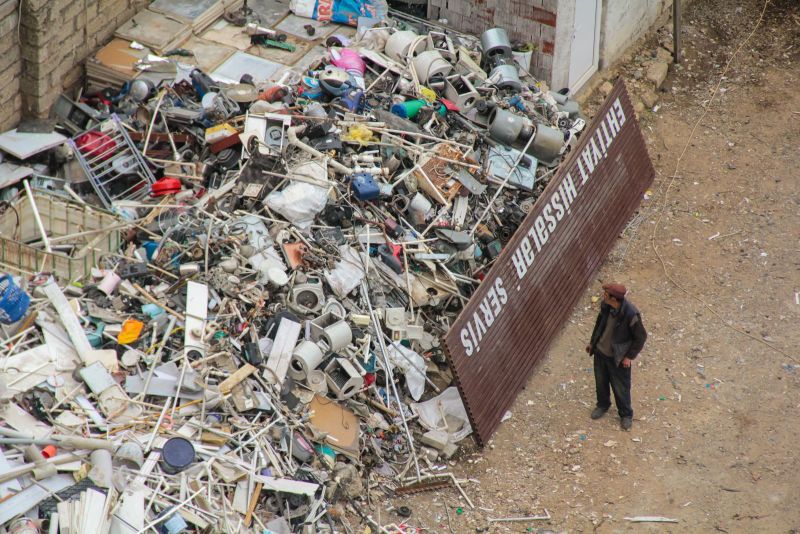
Parking is the other tax. Large parts of central Bristol sit inside Residents' Parking Zones, and a Penalty Charge Notice here is £70, reduced to £35 if paid within 14 days. Kerbside-only access means a longer carry, which is why quotes for the same mattress can differ by £20 depending on the postcode. A crew that knows the RPZ boundaries will plan around them rather than gamble.
Why You Can't Just Dump It: Fly-Tipping and Duty of Care
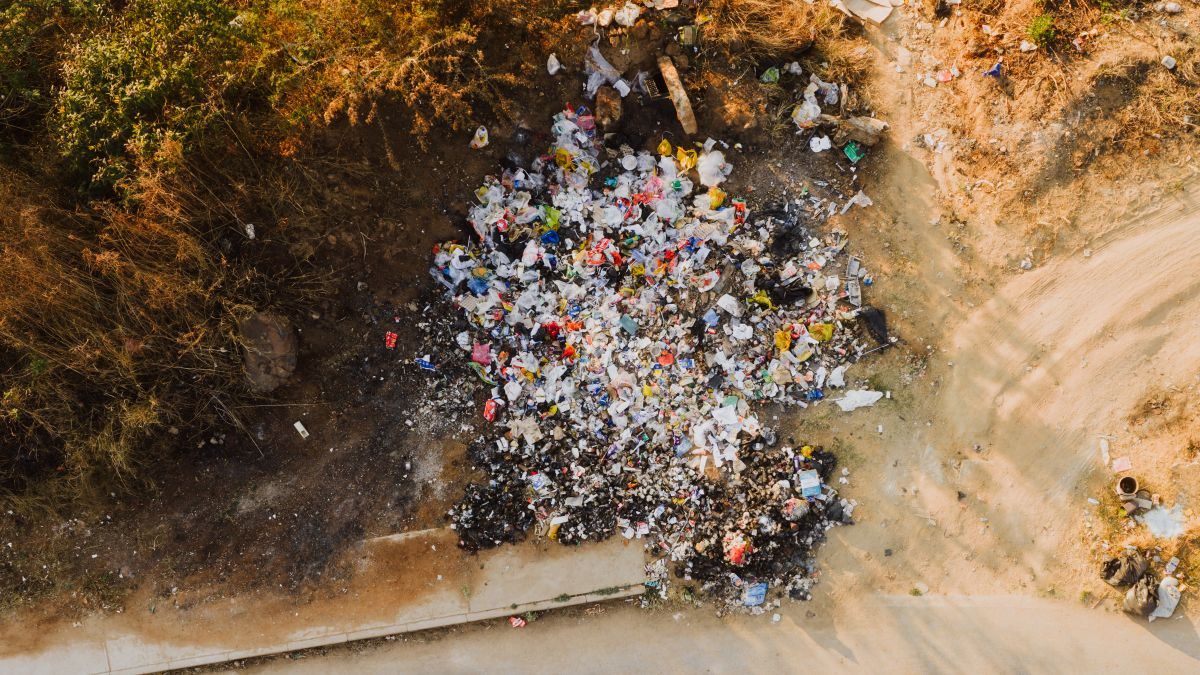
Mattresses are one of the most commonly fly-tipped items in England, and councils in England dealt with over 1.1 million fly-tipping incidents in a recent single year, with household waste making up around two thirds of them. Leaving a mattress on the pavement "for the council" is fly-tipping, not a grey area. Fixed penalty notices for fly-tipping now reach £1,000, and on conviction the fine is unlimited with up to five years' imprisonment available for serious cases.

The part that catches people out is the householder duty of care. Under the government's guidance on your household waste duty of care, you must take reasonable steps to check that whoever takes your waste is authorised to carry it. If a cash-in-hand van dumps your mattress in a lane in Stapleton and it's traced back to you, you can be fined too - typically via a fixed penalty of up to £600 - even though you didn't dump anything.
The Thirty-Second Licence Check
Anyone carrying waste for payment must be registered as a waste carrier, and you can check any company's registration free on the Environment Agency's public register of waste carriers and brokers. Ask for a waste transfer note as well - a legitimate operator issues one without being asked, and it's your proof you did the right thing. If someone quotes £15 cash and shrugs at the paperwork question, that's your answer.
Can You Donate or Sell a Mattress Instead?
Usually not, and it's worth knowing why before you spend a Saturday trying. Most charities won't accept a used mattress on hygiene grounds, and anything they do take must carry an intact fire safety label showing it meets the relevant furniture flammability regulations. No label means no reuse, no exceptions.
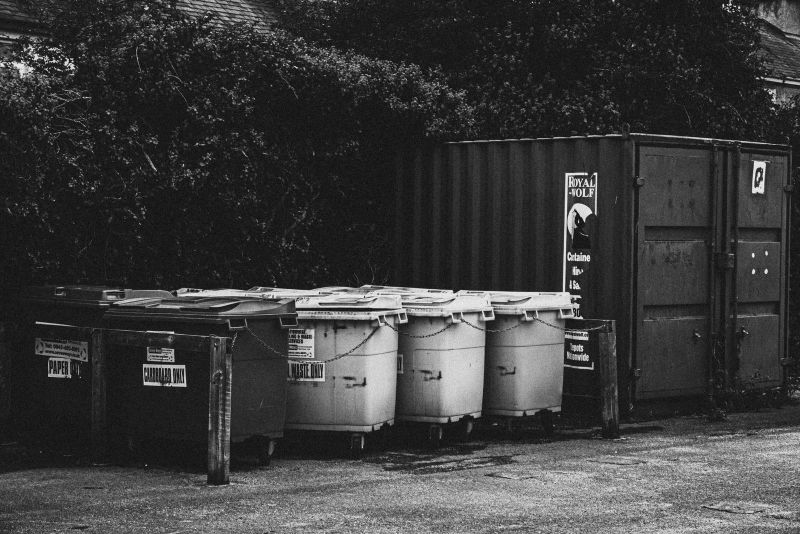
There are narrow cases where reuse works: a nearly-new mattress from a spare room, or a bed frame in good condition, which is far easier to rehome than the mattress itself. Reuse charities in Bristol will collect furniture free where it can be resold, so it's worth a phone call for the frame even if the mattress is destined for recycling. Realistically, though, fewer than 1 in 10 discarded mattresses are in a condition anyone would want.
How to Cut the Cost of Mattress Disposal in Bristol
Combine the job. The pricing on both council and private collections is tiered by volume, so clearing a mattress, a divan base, and an old wardrobe in one visit costs far less than three separate bookings - often 40 - 50% less than the sum of the parts.
A few other easy wins. Strip the bedding and any protector off first, since crews charge by time. Get the mattress down to the ground floor or the hallway if you safely can. Keep it dry, because a rain-soaked mattress is heavier, sometimes refused, and always slower. And book mid-week and mid-month if you have flexibility - roughly 40% more clearance work is booked around month-end as tenancies change over, so a Tuesday in the middle of the month is easier to slot and often cheaper.
---
FAQ
Q: How much does it cost to get rid of a mattress in Bristol?
A: Bristol City Council charges £27 for up to three bulky non-soft-furnishing items, which covers mattresses and bed frames, or £52 for four to six items. A private collection is typically £40 - £70 for one mattress and £60 - £100 for two. Taking it to Avonmouth or St Philips recycling centre yourself is free for Bristol residents, but you'll need a booked slot and a vehicle it fits in.
Q: Can I put a mattress out on the street for the council to collect?
A: No. Leaving a mattress on the pavement without a booked collection is fly-tipping. Fixed penalty notices reach £1,000, and on conviction the fine is unlimited. Book a collection or take it to a recycling centre instead.
Q: Is a mattress actually recyclable?
A: Around 90% of a mattress is recyclable by weight. Steel springs go to scrap metal, foam becomes carpet underlay, felt becomes insulation, and the timber base goes to chipboard or biomass. Memory foam and glued hybrid mattresses are harder to separate, and anything wet or infested is normally sent for energy recovery instead.
Q: Do I need to check who takes my mattress away?
A: Yes. As the waste producer you hold a legal duty of care, so you must check the collector is a registered waste carrier on the Environment Agency's public register, and ask for a waste transfer note. If your mattress is fly-tipped by an unlicensed operator, you can be fined up to £600 as well.
---
Ready to work with B's Waste Removal?
Let's connect! We’re here to help.
Send us a message and we’ll be in touch.
Or give us a call today at 111-222-3333
Agency Contact Form
More Marketing Tips, Tricks & Tools
B's Waste Removal