Electrical Waste Disposal in Bristol: TVs, Computers and Small Appliances (2026 Rules and Costs)
Old electricals are the quietest clutter problem in Bristol homes. Nobody throws away a laptop the week it dies. It goes in a drawer, then a box, then the loft, and five years later there are eleven of them. Research by Material Focus suggests UK households are sitting on well over 500 million unused electrical items, and at roughly 24kg of electrical waste per person each year the UK is one of the heaviest producers in Europe. Spread across Bristol's 200,000-odd households, that is a lot of dead kettles. The rules around this stuff are stricter than most people realise, the fines land on the householder rather than the collector, and a surprising amount of it cannot legally go in a bin at all. Here is what actually happens to electricals in Bristol, and what it costs to get them gone properly.
What Counts as Electrical Waste, and Why It Has Its Own Rulebook
If it ever had a plug, a battery, or a charging port, it is electrical waste. That is the simplest test. The formal name is WEEE - waste electrical and electronic equipment - and it covers roughly ten categories, from fridges down to electric toothbrushes.
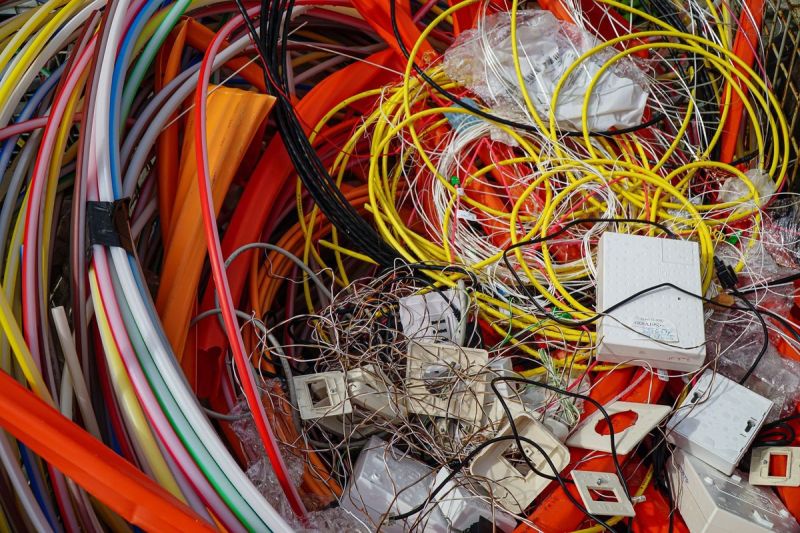
People tend to picture washing machines. In practice, about 70% of what we collect from Bristol homes is small: hair dryers, cables, routers, games consoles, dead phone chargers, that food processor from 2011. Small items are the ones most likely to end up in a black bin, and they are the ones causing the most damage when they do. A single lithium battery crushed inside a collection lorry can start a fire hot enough to write off the vehicle. Waste industry figures put battery-related fires in UK bin lorries and sorting sites at well over 1,200 a year.
Anything with a screen, a compressor, or a battery gets treated as hazardous and needs separating before the rest can be recycled. If you are unsure whether something in your garage qualifies, it is quicker to ask than to guess - you can send us a photo through the B's Waste Removal website and we will tell you what it needs.
Why It Cannot Just Go In Your Bristol Wheelie Bin
Bristol City Council's black bin waste goes for energy recovery, not landfill, which sounds like it makes electricals harmless. It does not. Electricals contain mercury, cadmium, lead and brominated flame retardants, and burning them is exactly what the WEEE producer responsibility rules are designed to prevent.
There is also the practical problem. Bristol's kerbside crews will leave a bin behind if there is an obvious appliance in it, and in a city where roughly a third of homes are flats with shared bin stores, one person's rejected microwave becomes everyone's problem for the next fortnight.
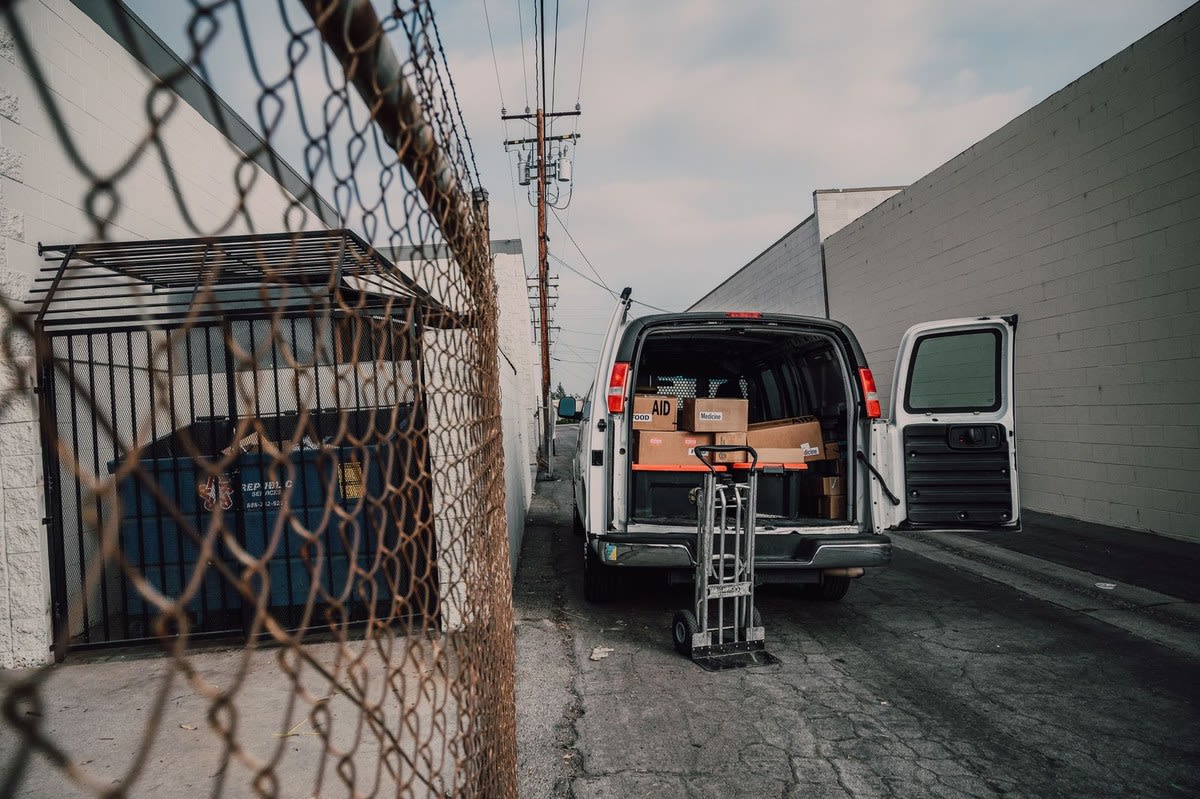
The city's two household recycling centres at Avonmouth and St Philips will take electricals from residents free of charge. That works well if you have a car, a free Saturday, and one or two items. It works badly if you live in a third-floor conversion in Redland with no lift, no car, and a dead washing machine on the landing. Which is most of the calls we get.
What Electrical Waste Collection Costs in Bristol in 2026
Prices depend on volume, weight and access rather than item count, so a garage full of cables can cost less than one American-style fridge freezer.
As a rough 2026 guide across Bristol:
- Single small item collected on its own: £45 to £70
- Two or three items on the same visit: £70 to £110
- Flat-screen TV: £30 to £50 depending on size
- CRT television or old monitor: £45 to £75, because the leaded glass needs specialist handling
- Fridge, freezer or air conditioning unit: £60 to £95, because the gases have to be extracted under licence
- Quarter van load of mixed electricals: £120 to £180
- Half load: £180 to £260
- Full load: £280 to £420
Two things push a Bristol quote up more than anything else. Stairs are the first. The second is parking. Streets around Montpelier, Cotham, Southville and Bedminster were laid out long before anyone owned a car, and if the van has to sit 80 metres away on a permit bay, the carry adds time to the job.
Clearing a Property Rather Than a Cupboard
Electricals are rarely the only thing going. If you are emptying a whole house, an office or a rental after a tenancy, it is nearly always cheaper to book one clearance than to book electricals separately and then everything else a week later. We have covered what a full Bristol house clearance costs and how it is priced in more detail, and the same load-size logic applies whether the van is full of sofas or servers.
Wipe Your Data Before Anything Leaves the House
This is the part people skip, and it is the part that costs them.
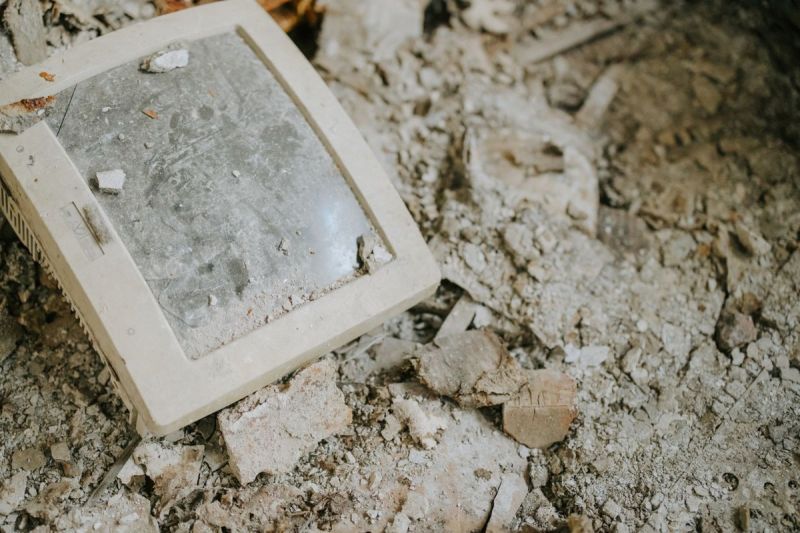
A recycled laptop is not automatically a wiped laptop. Neither is a phone, a games console, a smart TV with your streaming logins saved, or a printer with a hard drive in it. Factory reset is the minimum. For anything that held bank details or work files, use the device's built-in encryption-and-erase option, or physically remove the drive and keep it.
For businesses it goes further. Bristol has around 30,000 registered businesses, a lot of them small studios and agencies around Temple Meads and the Old City, and every one of them is a data controller under UK GDPR. Losing customer data through a badly disposed-of machine is a reportable breach whether or not anyone actually reads the disk. If you need certificates of data destruction, say so when you book, because that is a different service to a normal collection.
Fridges, Freezers and Anything With a Compressor
Cooling appliances are their own category and they cannot be tipped in with general electricals. The refrigerant gases have to be degassed by a technician holding an F-gas qualification, and the insulation foam is separated afterwards.

This is why a fridge costs more to remove than a much heavier washing machine. It is also why you should be suspicious of anyone offering to take a fridge away for a tenner. That fridge is going in a lane somewhere off the A38, and when the Environment Agency traces it, the paperwork trail leads back to you.
Do not take the door off or move a fridge on its side to save space either. Laying a compressor unit flat lets oil into the cooling circuit, which turns a working appliance that could have been reused into scrap.
Where Bristol's Electrical Waste Actually Ends Up
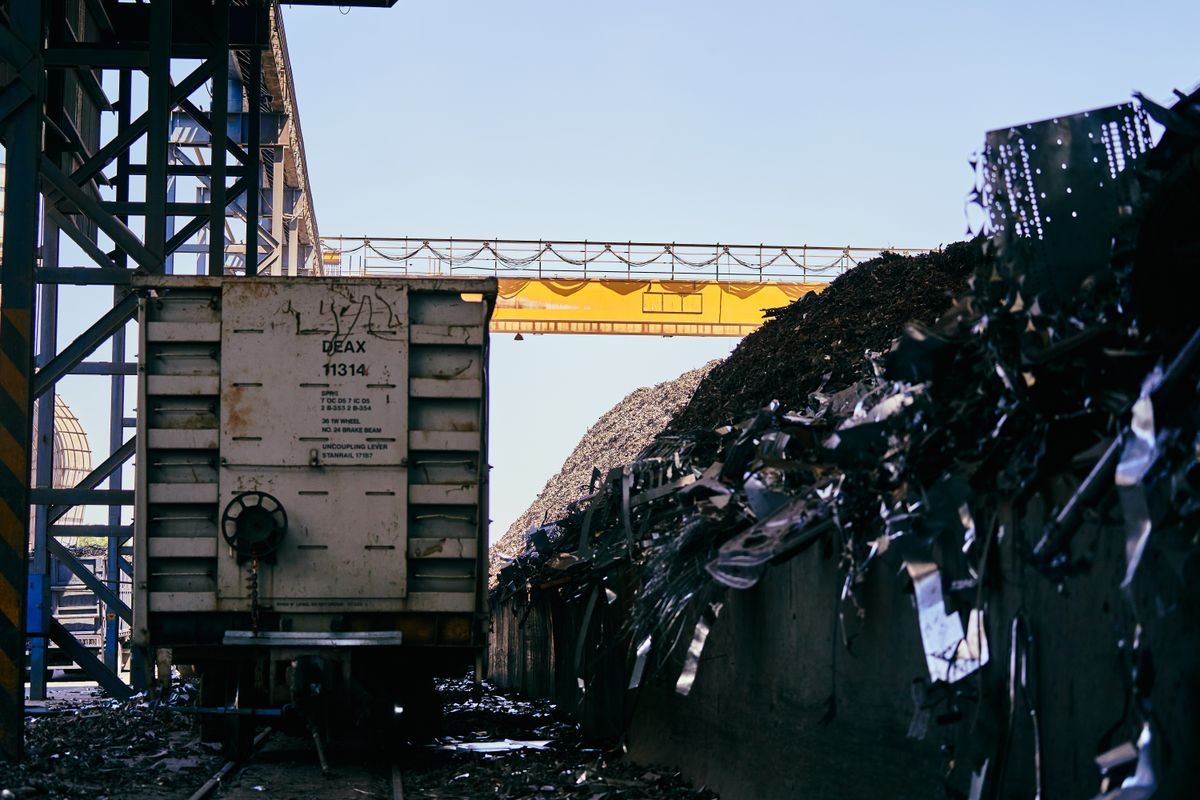
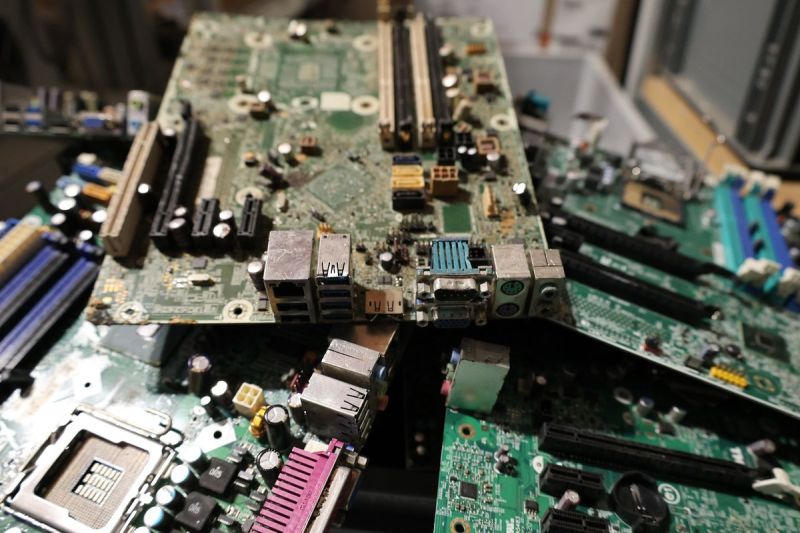
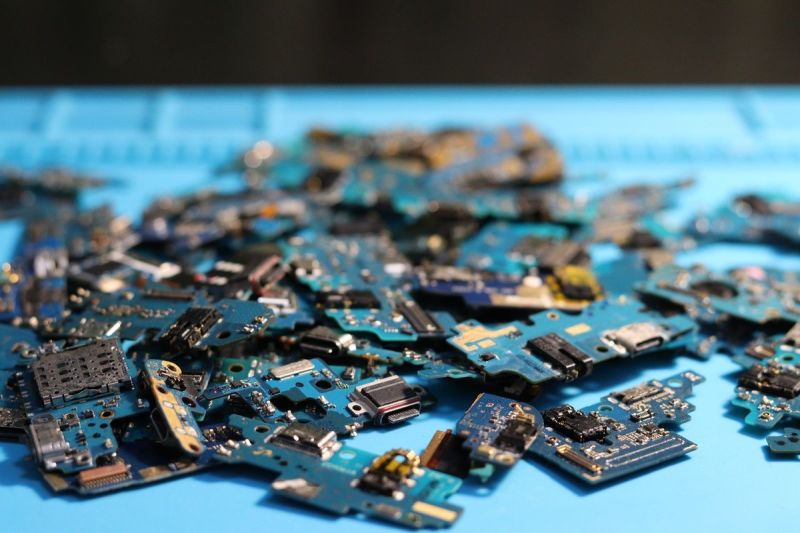
Sorted properly, most of an old appliance is recoverable. Steel casings, copper windings and aluminium go to metal reprocessors. Circuit boards go to specialist smelters for gold, silver and palladium recovery. Plastics are shredded and sorted by polymer type. Batteries and capacitors are pulled out by hand first.
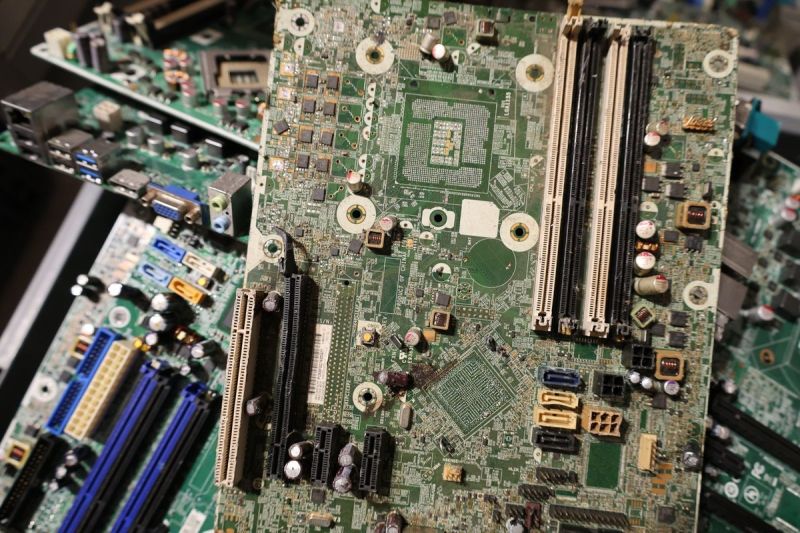
Recovery rates for a well-sorted load run around 85% to 95% by weight, which is far better than almost any other waste stream. The bit that matters is the sorting. A mixed load that arrives contaminated gets downgraded, and downgraded means burnt.
Anything still working gets a second look before it is broken up. Bristol has an unusually active reuse network for a city its size, and a five-year-old microwave in working order is worth more to a reuse project than it is as scrap.
Checking Your Bristol Collector Is Actually Licensed
Anyone transporting waste for payment needs to be a registered waste carrier. Under the waste duty of care code of practice, the legal duty to check sits with you, the householder, and fixed penalties for fly-tipped waste traced back to a household typically run from £200 to £600.

The check takes two minutes. Ask for the carrier registration number, then search it on the Environment Agency's public register of waste carriers. The name on the register should match the name on the invoice. Ask for a waste transfer note too. A legitimate firm will hand one over without being asked twice.
Anyone quoting cash-only, refusing to give a company name, or advertising purely through a mobile number on a social media post is not worth the £30 you would save. We wrote a fuller guide to checking a Bristol waste carrier licence if you want the detail.
Frequently Asked Questions
Can I put small electricals in my Bristol recycling box?
No. Bristol's kerbside recycling collections do not take electrical items in the standard boxes or bins. Small electricals need to go to a household recycling centre, a retailer take-back point, or a licensed collection service. Loose batteries in particular should never go in any kerbside container.

Will you take a TV that still works?
Yes, and please tell us it works when you book. Working televisions, monitors and appliances are checked and passed to reuse where possible rather than broken up. It does not usually change the price, but it changes where the item ends up.
How much does it cost to remove a fridge freezer in Bristol?
Expect roughly £60 to £95 for a standard fridge freezer collected from ground level in 2026. American-style units, or anything coming down two or more flights of stairs, sit at the upper end or slightly above because they need two people.
Do I need to be at home for the collection?
Not always. If the items are in an accessible garage, front garden or communal area and you have arranged access in advance, we can collect without you there. For flats in central Bristol with controlled entry, someone usually needs to let the crew in.
Ready to work with B's Waste Removal?
Let's connect! We’re here to help.
Send us a message and we’ll be in touch.
Or give us a call today at 111-222-3333
Agency Contact Form
More Marketing Tips, Tricks & Tools
B's Waste Removal