Paint, Chemicals and Hazardous Household Waste Disposal in Bristol: The Rules and Costs
Roughly one in three Bristol garages holds something that cannot legally go in a skip. Half-used paint tins, a jerry can of two-stroke, a bag of old weedkiller from before the ban, corrugated sheets off a 1960s garage roof. UK households generate around 250,000 tonnes of hazardous waste a year, and the majority of it sits in sheds and cellars for a decade before anyone deals with it. The rules are stricter than most people expect - hazardous waste is legally separate from household waste, it needs a consignment note, and a clearance firm that tips it in with the sofas is committing an offence. This guide covers what counts, what does not, what Bristol City Council will and will not take, and what proper disposal costs.
What Legally Counts as Hazardous Household Waste
Hazardous waste is defined by the properties of the material, not by how much of it you have. If it is flammable, corrosive, toxic, irritant, oxidising, or harmful to the environment, it is hazardous - a half-litre of brake fluid is treated the same way as a drum of it.
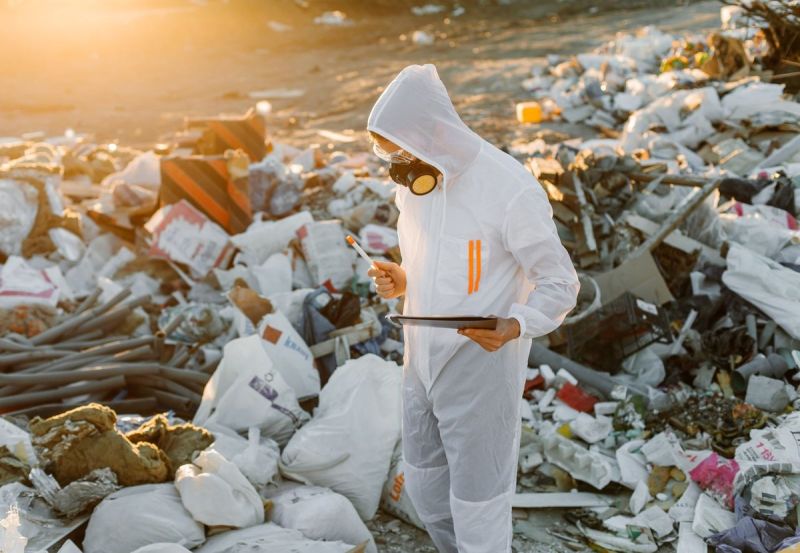
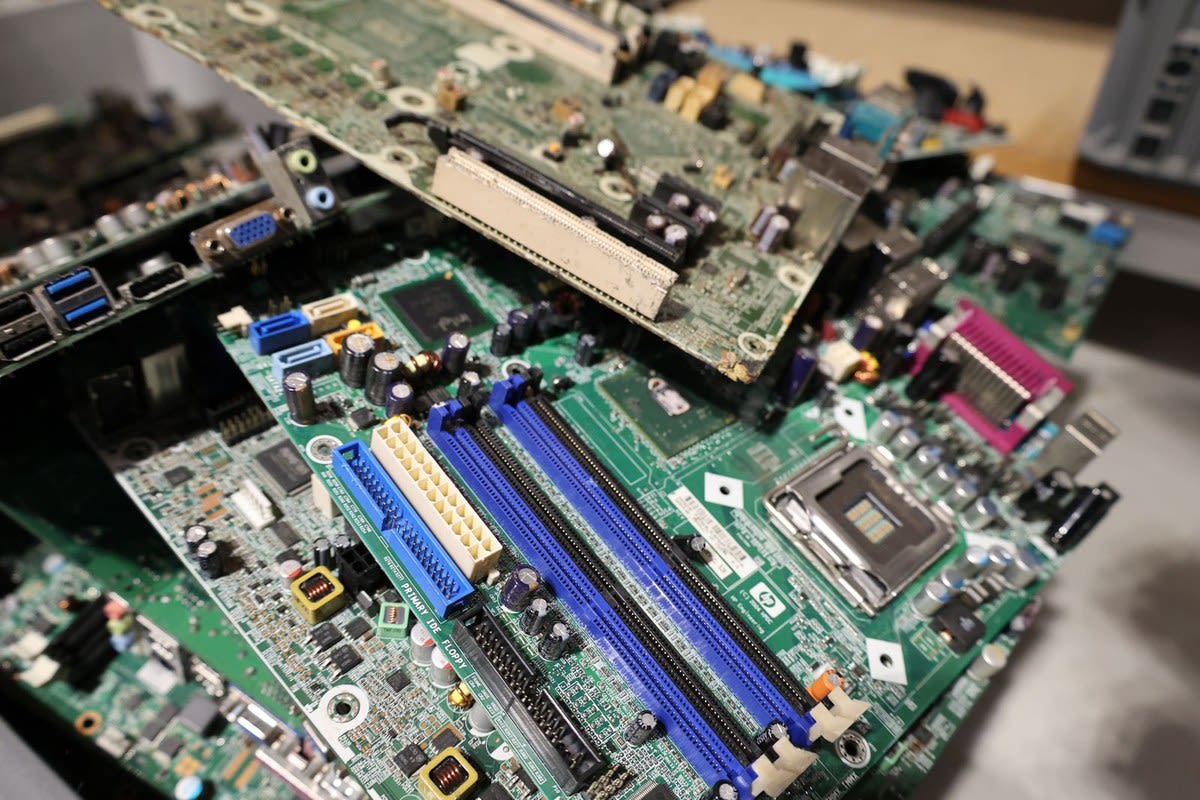
In a typical Bristol house clearance the list is short but predictable. Liquid paint and varnish, thinners and white spirit, brake fluid, antifreeze, engine oil, petrol and diesel in cans, garden chemicals and pesticides, pool chemicals, car and leisure batteries, fluorescent tubes and old-style energy-saving bulbs, aerosols with product still in them, and anything containing asbestos. Fridges, freezers and air-conditioning units are hazardous too because of the refrigerant gases, which is why they carry a separate charge.
If you are clearing a property in Bristol and are not sure what you have found, our team at B's Waste Removal will identify it on a survey visit before quoting, so nothing gets loaded that should not be. Guessing is the expensive option - a load rejected at the transfer station comes back on the van and gets charged twice.
Why It Cannot Go In a Normal Clearance Load
Mixing hazardous waste into general waste is an offence under the Hazardous Waste Regulations, and it contaminates the whole load. A transfer station that spots a paint tin in a mixed load can reclassify the entire tonne as hazardous, which multiplies the gate fee by three or four.
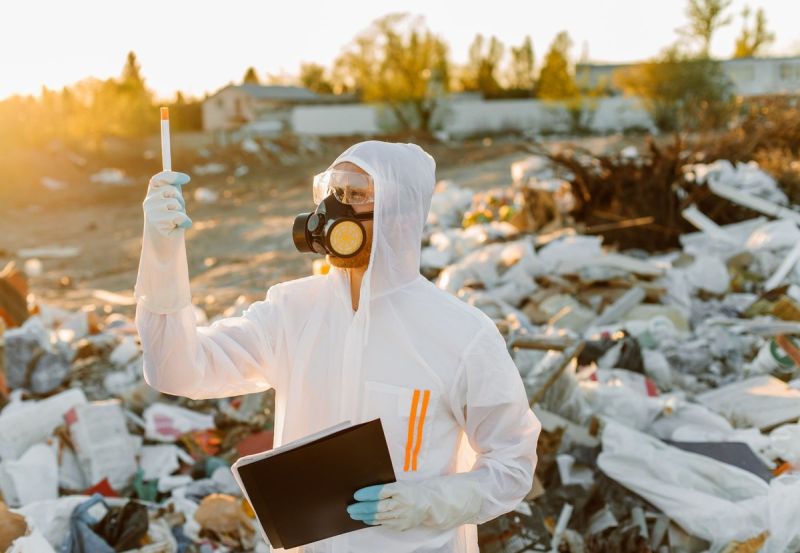
There is also a practical reason. Aerosols and gas canisters cause fires in waste transfer buildings. The waste industry records several thousand fires a year in UK waste facilities, and lithium batteries plus pressurised containers account for a large share of them. This is why crews physically will not take certain items, even when a customer insists.
The Paperwork Is Different Too
Hazardous waste moves under a consignment note rather than an ordinary waste transfer note, and the producer - which for a house clearance means you - has to keep a copy for three years rather than two. Any firm handling it needs to be registered for hazardous waste movements, not just carrying an ordinary waste carrier licence. Checking that is worth doing before you book. We covered the licence check itself in more detail in our guide to basement and cellar clearance in Bristol, which is where most of this material tends to be found.
What Bristol's Recycling Centres Take Free of Charge
Bristol has two household reuse and recycling centres, at Avonmouth and Hartcliffe Way, and both accept a good range of hazardous household items free for residents. You will normally need to prove you live in the city, and vans and trailers need a permit booked in advance.
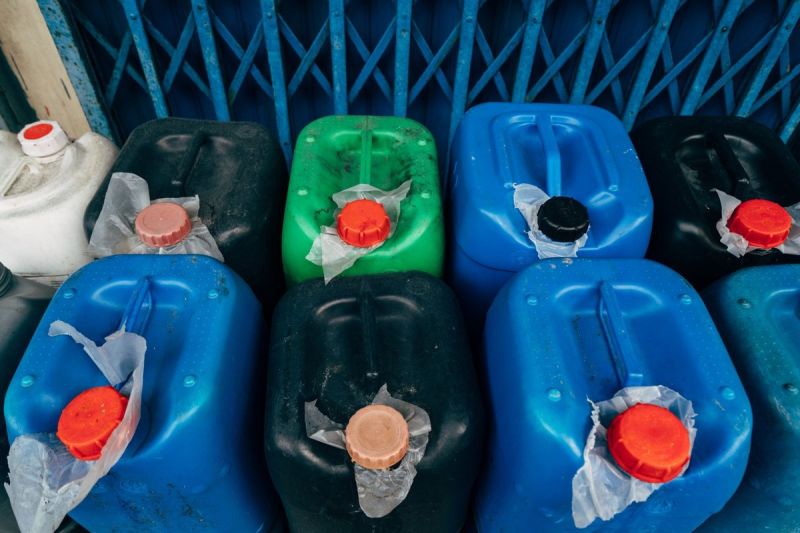
Between them they take engine oil, car batteries, paint, fluorescent tubes, small electricals, and gas bottles at some sites. The full accepted list is published on Bristol City Council's bins and recycling pages, and it changes, so it is worth checking before you drive across the city with a boot full of tins.
What they will not take is anything from a business, anything in unmarked containers, and asbestos in most circumstances. Trade waste is the big one - if you are a landlord clearing a flat between tenancies, that waste is arguably commercial and the free centres are not available to you.
Asbestos: The One That Catches Bristol Homeowners Out
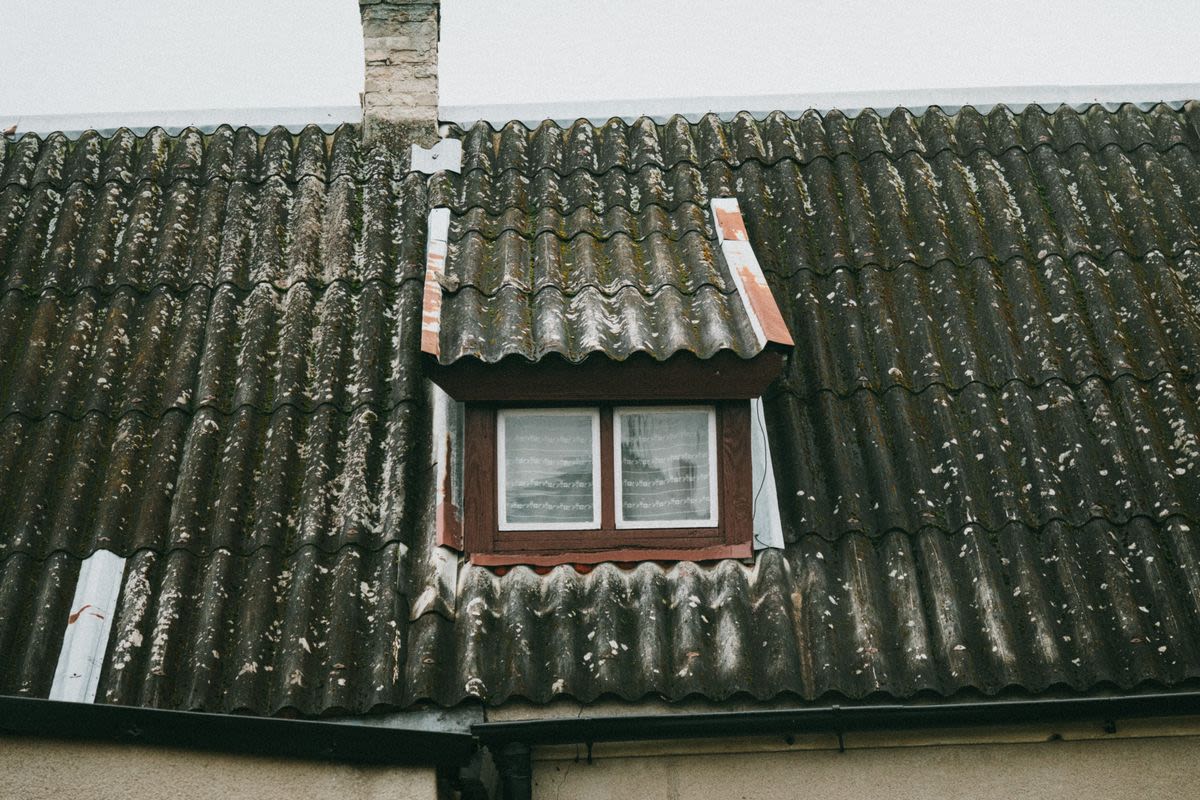
Any Bristol property built before 2000 may contain asbestos, and in practice a huge share of the city's interwar and post-war housing does. Garage roofs and sheds in corrugated cement sheet, artex ceilings, soffit boards, old floor tiles, and the flue from a back boiler are the usual suspects across Southmead, Knowle West, Sea Mills and the post-war estates.
Low-risk bonded asbestos cement - a garage roof sheet, for example - can often be removed by a competent contractor without a licence, provided it is done wet, unbroken, double-wrapped and labelled. Anything friable, sprayed coating, or insulating board needs a licensed removal contractor working under HSE rules with a 14-day notification.
Costs vary sharply as a result. A single-garage asbestos cement roof typically runs £400 to £900 removed and disposed of. A licensed job on insulating board can run into several thousand. Disposal alone at a licensed asbestos facility is usually charged per sheet or per tonne, often £90 to £180 per tonne on top of labour.
Never Break It Up Yourself
Sawing, drilling or snapping asbestos cement releases fibres, and the moment it is broken it becomes a much bigger and more expensive problem. If a garage roof is already cracked, cover it and leave it. A crew that arrives to find broken sheeting will usually have to treat the surrounding soil as contaminated too.
What Hazardous Waste Disposal Costs in Bristol
Prices depend on the stream and the volume, but there are useful ballparks.
Paint is charged by weight and typically works out at £2 to £6 per tin collected as part of a wider clearance, or £60 to £120 for a boot-load handled on its own. Fridges and freezers carry a degassing charge of roughly £25 to £40 each. Fluorescent tubes run about £1 to £3 each. Car batteries are often taken free because the lead has scrap value, and the same goes for clean engine oil in sealed containers at some sites.
Gas bottles are the awkward one. Calor and similar suppliers will take their own branded cylinders back, sometimes with a refund on the deposit. Unbranded or foreign cylinders can cost £30 to £60 each to dispose of because they have to be purged and cut.
Collected as part of a full house clearance, hazardous items usually add £80 to £250 to a job in Bristol rather than doubling it. Handled as an afterthought - a second visit, a rejected load, a separate consignment - the same items can cost three times that.
Hoards, Probate Clearances and Old Chemicals
Bristol's stock of large Victorian and Edwardian houses in Redland, Bishopston and Totterdown means clearances often turn up 40 or 50 years of accumulated garden and workshop chemicals. Probate clearances in particular surface products that have been off the market for decades.
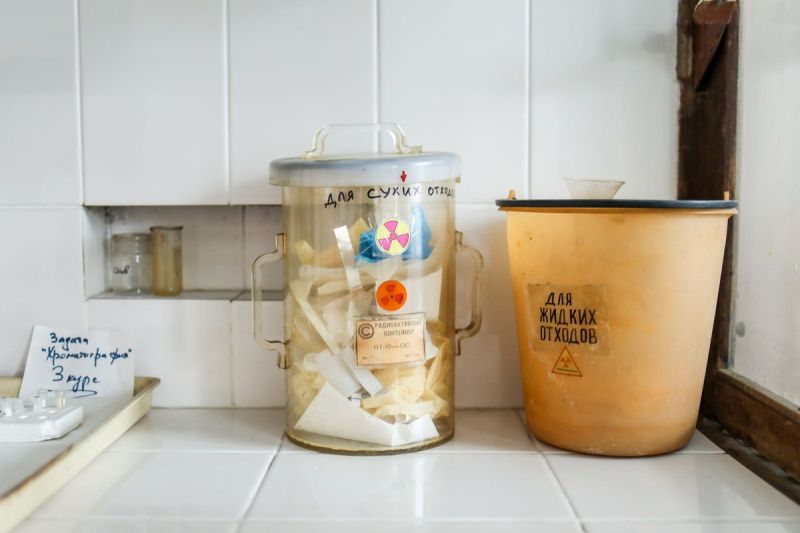
Some of these are genuinely dangerous. Old weedkillers containing sodium chlorate, mercury-based fungicides, and photographic chemicals all turn up. Anything in a glass bottle with a faded handwritten label should be left where it is and pointed out to the crew rather than moved.
The practical approach is to photograph the labels and send them across before the clearance date. That lets the right containers, the right paperwork and the right disposal route be arranged in advance, which is nearly always cheaper than discovering it on the day.
Getting a Quote That Includes the Hazardous Items
The most common billing surprise on a Bristol clearance is a hazardous surcharge added after the fact. It is avoidable. Ask for the quote to itemise hazardous handling separately, so you can see what is included rather than finding out later.
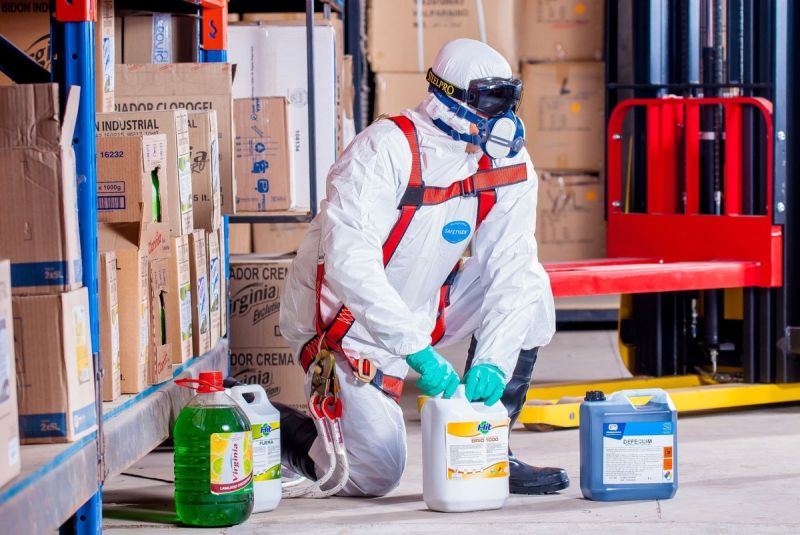
A good quote should list the streams by name - paint, WEEE, refrigerant, asbestos, batteries - with either a unit price or a stated allowance. It should also confirm which facility each stream goes to and whether a consignment note will be issued. Reputable firms answer all of that without hesitation, because they are already doing the paperwork.
If you are unsure whether something in your property counts, the safest sequence is: do not move it, do not open it, photograph it, and ask. Almost everything can be dealt with. It just needs to be known about before the van arrives.
Frequently Asked Questions
Can I put paint tins in a skip in Bristol?
No. Liquid paint is classed as hazardous waste and cannot go in a general skip or mixed clearance load. Completely dried-out paint in an otherwise empty tin is usually acceptable as general waste, but wet or part-full tins must go through a separate hazardous stream or to a household recycling centre that accepts them.
Does Bristol City Council collect hazardous waste from homes?
Bristol's household reuse and recycling centres at Avonmouth and Hartcliffe Way accept many hazardous household items free for residents, but there is no routine kerbside collection for them. Larger quantities, trade waste, and anything containing asbestos normally need a licensed private collection.
How much does asbestos removal cost in Bristol?
A typical single-garage asbestos cement roof runs around £400 to £900 including removal and licensed disposal. Friable asbestos such as insulating board needs a licensed contractor and HSE notification, and costs can run to several thousand pounds depending on the size and location of the job.
Do I need paperwork for hazardous waste from my own house?
Yes. Hazardous waste moves under a consignment note rather than an ordinary waste transfer note, and you should keep your copy for three years. Any firm collecting it should be registered to move hazardous waste and should issue that paperwork without being asked.
Ready to work with B's Waste Removal?
Let's connect! We’re here to help.
Send us a message and we’ll be in touch.
Or give us a call today at 111-222-3333
Agency Contact Form
More Marketing Tips, Tricks & Tools
B's Waste Removal