Tenant Left Belongings Behind in Bristol: The Legal Steps Before You Clear the Property
Roughly 30% of Bristol households rent privately, against an England average closer to 19%, and with around 60,000 students across the University of Bristol and UWE the city churns through tenancies faster than almost anywhere outside London. So the situation comes up constantly: the tenant has gone, the keys are back, and the flat still contains a sofa, six bin bags, a fridge and a wardrobe nobody wants. The instinct is to skip it all on Saturday and move on. That instinct can cost you, because goods left behind are still legally the tenant's property, and landlords have been ordered to pay compensation running into four figures for binning them too early. Here's what the law actually requires in Bristol, and what a clearance costs once you're clear to book one.
Left Behind Is Not the Same as Abandoned
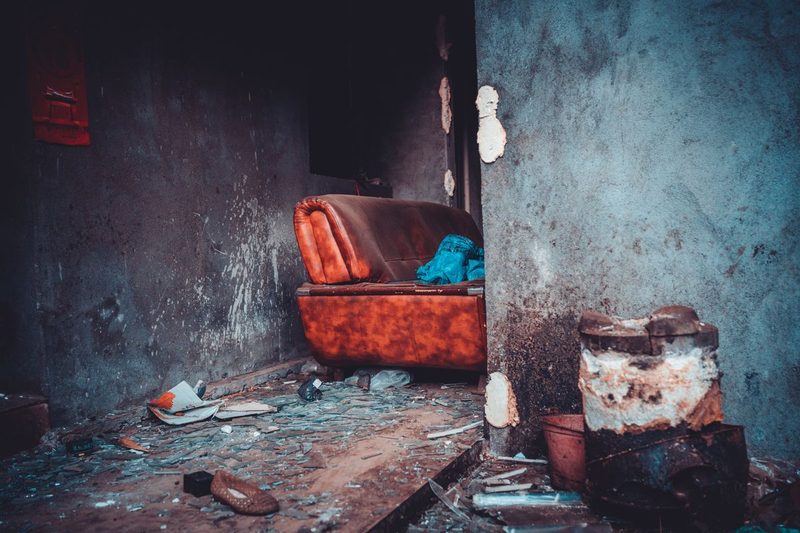
This is the bit that catches people out. When a tenancy ends, the property comes back to you. The tenant's belongings do not. They stay the tenant's property until you follow a legal process to dispose of them, and "they clearly weren't coming back for it" is not a defence anyone has ever won with.
The relevant law is the Torts (Interference with Goods) Act 1977, which sets out how someone holding another person's goods can end that obligation. Under it you become an involuntary bailee - you didn't ask to be looking after their stuff, but you are, and you owe a basic duty of care over it while it's in your hands. Throw it out without notice and the tenant can claim the replacement value. Sell it and pocket the money without following the rules, and you can be liable for the proceeds too.
If you're a landlord or letting agent in Bristol dealing with this now, it's worth talking to a local clearance team early so the collection is booked and ready the moment your notice period expires, rather than losing another two weeks of empty rent while you find someone with a slot.
Step One: Establish the Tenancy Has Actually Ended
Before anything else, be certain the tenancy is legally over. A tenant who has stopped answering the phone has not surrendered the property. Neither has one who has been gone six weeks with rent unpaid.

A tenancy ends when a fixed term expires and the tenant leaves, when both sides agree a surrender, or when a court order is enforced. Anything short of that and you risk an illegal eviction claim on top of the goods problem. Shelter's guidance on eviction is the clearest free explanation of where the line sits, and it's worth ten minutes before you touch a single box.
The safest evidence of surrender is keys returned with something in writing - a text saying "keys are through the door, I've moved out" is enough. Photograph the property the day you get access, with a date-stamped set covering every room. If a dispute follows, that folder of photos is the single most useful thing you'll own.
Where Clearance Fits in a Normal End of Tenancy
Most Bristol tenancies end tidily and this whole process never applies. We've covered the straightforward version in our landlord's guide to end of tenancy clearance in Bristol, including deposit deductions and timing the job around a check-out inspection. Read that one first if the tenant left normally and simply didn't take everything.
Step Two: Serve a Notice of Intention
Once you're satisfied the tenancy has ended, you serve written notice on the tenant telling them you're holding their goods and what happens next. There's no government template, but a notice that holds up generally includes:
- A full list of what you're holding, with photographs
- Where the goods are being stored
- A clear deadline for collection, with a date
- What you intend to do after that date - sell, donate or dispose
- Any storage costs you intend to charge
- Contact details and collection arrangements
Send it to the forwarding address on the tenancy agreement, to the last known address, and by email if you have one. Keep proof of posting. Many Bristol agents send it by both email and recorded delivery on the same day, which costs about £3 and removes an entire argument later.
Step Three: How Long You Have to Wait
The Act doesn't give a single fixed number, which frustrates everyone. What it requires is a reasonable period, judged on the value of the goods and the circumstances.

In practice the working standards most letting agents use are:
- Obvious rubbish - food waste, soiled bedding, broken furniture, half-empty tins: no meaningful wait, as this has no value and disposing of it is arguably part of your duty of care
- Low-value household items - flat-pack furniture, kitchenware, bedding: 14 days is widely treated as reasonable
- Items of real value - electronics, tools, musical instruments, anything that looks like it cost £200 or more: 28 days minimum, and longer if you can manage it
- Documents, medication, ID, photographs - hold these separately and for longer. They're low value and high significance, and they are the category that generates complaints
If in doubt, 28 days is the figure to plan around. It's the period a court is least likely to criticise, and it usually still lands you inside the same void period.
Step Four: What You Can Charge For
You can charge reasonable storage costs, provided you set them out in the notice. Reasonable means what storage actually costs you, not a number designed to discourage collection. A self-storage unit in Bristol runs roughly £20 to £45 a week for a space that holds a one-bed flat's contents, and that is the sort of figure that stands up.

You can deduct storage and disposal costs from the deposit, but only through the scheme's process and only with evidence. Deposit schemes are strict about this and will want the notice, the photographs and the clearance invoice. Keep all three.
If you sell goods to recover costs, you must account to the tenant for anything left over after your reasonable expenses. Most landlords sensibly avoid selling at all - the paperwork outweighs the return on a second-hand sofa.
Step Five: Booking the Clearance Properly
Once the notice period has run, you can clear. Two things matter at this point, and both are about protecting yourself rather than saving money.

First, use a licensed carrier. Your duty of care over waste does not end when someone drives away with it. If the contents of your flat turn up fly-tipped on a lane in South Gloucestershire and it traces back to you, you are the one Bristol City Council writes to. The waste duty of care code of practice sets out what you're responsible for, and a legitimate firm will hand you a waste transfer note without being asked.
Second, get an itemised inventory and photographs from the clearance team before anything is loaded. A firm that does landlord work regularly will do this as standard, and it closes the door on a tenant claiming a laptop was in the pile.
What a Bristol Clearance Costs
Typical 2026 prices for this kind of job in Bristol:
- Single item or small load - one sofa, a mattress, a few bags: £60 to £110
- Quarter-load van - a bedroom's worth: £110 to £170
- Half-load van - a one-bed flat, lightly furnished: £180 to £280
- Full load - a furnished two-bed: £300 to £450
- Two-bed house, fully furnished, plus loft and shed - £450 to £700
Fridges, freezers and mattresses usually carry a surcharge of £15 to £30 each because they need separate handling. Stairs matter too - a third-floor flat in Clifton or Cotham with no lift adds labour time, and most firms price that in rather than pretending it's free.
Things That Change the Rules
A few situations don't follow the standard route:

Tenant has died. Do not serve notice on the tenant. The goods pass to their estate, and you deal with the executor or next of kin. Nothing gets cleared without their authority.
Goods belong to someone else. A partner, a lodger, a subtenant, or a friend storing things there. Their property isn't covered by a notice served on your tenant.
Suspected criminal property. If you find something that looks stolen or illegal, stop and call the police rather than disposing of it yourself.
Hazardous items. Gas bottles, paint, solvents, car batteries and asbestos sheeting from a garage all need specific handling and cannot go in a general clearance load.
The Short Version for Busy Landlords
Confirm the tenancy has ended. Photograph everything. Serve a written notice with a deadline. Wait 14 days for low-value items, 28 for anything worth real money. Store safely in the meantime. Then book a licensed carrier, get an inventory, and keep the waste transfer note.

Done that way, a Bristol clearance costs you a few hundred pounds and a fortnight. Done the quick way, it can cost you a compensation claim, a deposit dispute you lose, and a fly-tipping investigation you had nothing to do with.
Frequently Asked Questions
How long must a Bristol landlord store a tenant's abandoned belongings?
There's no fixed statutory period. The Torts (Interference with Goods) Act 1977 requires a reasonable period based on the value of the goods. In practice, 14 days is treated as reasonable for low-value household items and 28 days for anything of genuine value such as electronics, tools or instruments. Obvious rubbish and spoiled food can be disposed of straight away.
Can I deduct the cost of clearing a Bristol property from the deposit?
Yes, provided the deduction is reasonable and evidenced. You'll need the dated photographs, a copy of the notice you served, and the clearance invoice. Deposit schemes assess these claims carefully, so a vague figure with no paperwork behind it tends to be rejected.
What happens if I throw a tenant's belongings away too soon?
The tenant can claim the replacement value of the goods, and landlords have been ordered to pay several thousand pounds in these cases. You may also face a claim for conversion under the 1977 Act. Serving a written notice and waiting the appropriate period is far cheaper than defending a claim.
Do I need a licensed waste carrier to clear a Bristol rental property?
Yes. Your duty of care over the waste continues after it leaves the property. If it's fly-tipped, Bristol City Council can pursue you as the waste producer. Always check the carrier's registration and ask for a waste transfer note for every collection.
How much does clearing a one-bed flat in Bristol cost?
Expect £180 to £280 for a half-van load covering a lightly furnished one-bed flat, rising to £300 to £450 for a fully furnished two-bed. Fridges, freezers and mattresses typically add £15 to £30 each, and upper-floor properties with no lift can add labour time.
```json { "@context": "https://schema.org", "@type": "FAQPage", "mainEntity": [ { "@type": "Question", "name": "How long must a Bristol landlord store a tenant's abandoned belongings?", "acceptedAnswer": { "@type": "Answer", "text": "There is no fixed statutory period. The Torts (Interference with Goods) Act 1977 requires a reasonable period based on the value of the goods. In practice, 14 days is treated as reasonable for low-value household items and 28 days for anything of genuine value such as electronics, tools or instruments. Obvious rubbish and spoiled food can be disposed of straight away." } }, { "@type": "Question", "name": "Can I deduct the cost of clearing a Bristol property from the deposit?", "acceptedAnswer": { "@type": "Answer", "text": "Yes, provided the deduction is reasonable and evidenced. You will need dated photographs, a copy of the notice you served, and the clearance invoice. Deposit schemes assess these claims carefully, so a vague figure with no paperwork behind it tends to be rejected." } }, { "@type": "Question", "name": "What happens if I throw a tenant's belongings away too soon?", "acceptedAnswer": { "@type": "Answer", "text": "The tenant can claim the replacement value of the goods, and landlords have been ordered to pay several thousand pounds in these cases. You may also face a claim for conversion under the Torts (Interference with Goods) Act 1977. Serving a written notice and waiting the appropriate period is far cheaper than defending a claim." } }, { "@type": "Question", "name": "Do I need a licensed waste carrier to clear a Bristol rental property?", "acceptedAnswer": { "@type": "Answer", "text": "Yes. Your duty of care over the waste continues after it leaves the property. If it is fly-tipped, Bristol City Council can pursue you as the waste producer. Always check the carrier's registration and ask for a waste transfer note for every collection." } }, { "@type": "Question", "name": "How much does clearing a one-bed flat in Bristol cost?", "acceptedAnswer": { "@type": "Answer", "text": "Expect £180 to £280 for a half-van load covering a lightly furnished one-bed flat, rising to £300 to £450 for a fully furnished two-bed. Fridges, freezers and mattresses typically add £15 to £30 each, and upper-floor properties with no lift can add labour time." } } ] } ```
```json { "@context": "https://schema.org", "@type": "Article", "headline": "Tenant Left Belongings Behind in Bristol: The Legal Steps Before You Clear the Property", "description": "Your Bristol tenant has gone and left their stuff behind. Here's the law on abandoned goods, the notice you have to serve first, how long you must store items, and what a clearance costs once you're free to book one.", "author": { "@type": "Organization", "name": "The Team" }, "datePublished": "2026-09-15", "dateModified": "2026-09-15", "articleSection": "House Clearance" } ```
Ready to work with B's Waste Removal?
Let's connect! We’re here to help.
Send us a message and we’ll be in touch.
Or give us a call today at 111-222-3333
Agency Contact Form
More Marketing Tips, Tricks & Tools
B's Waste Removal