Asbestos in a Bristol House, Garage or Shed Clearance: How to Spot It and What It Costs
Most Bristol clearance jobs that stop dead stop for the same reason: a corrugated cement sheet on a garage roof. Asbestos was used in UK building products until it was banned outright in 1999, and more than 30% of Bristol's housing stock predates 1919, with another large wave built between 1930 and 1975 across Horfield, Knowle, Southmead and Brislington. That mid-century wave is the risky one. Garage roofs, shed panels, boiler flues, artex ceilings and old floor tiles from that period all carry a real chance of containing asbestos, and around 5,000 people a year still die in the UK from past exposure. This guide covers what to look for before you book a clearance, why no legitimate firm will lift a suspect sheet, and what testing and removal cost in Bristol in 2026.
Why Asbestos Stops a Clearance Job Dead
A waste removal crew turns up expecting to shift furniture, rubbish and general household junk. What they cannot legally shift is asbestos-containing material, and no amount of "it's only one sheet, mate" changes that. Asbestos waste is classified as hazardous, it needs separate consigned paperwork, and it can only go to a permitted site that accepts it. Bristol has very few.
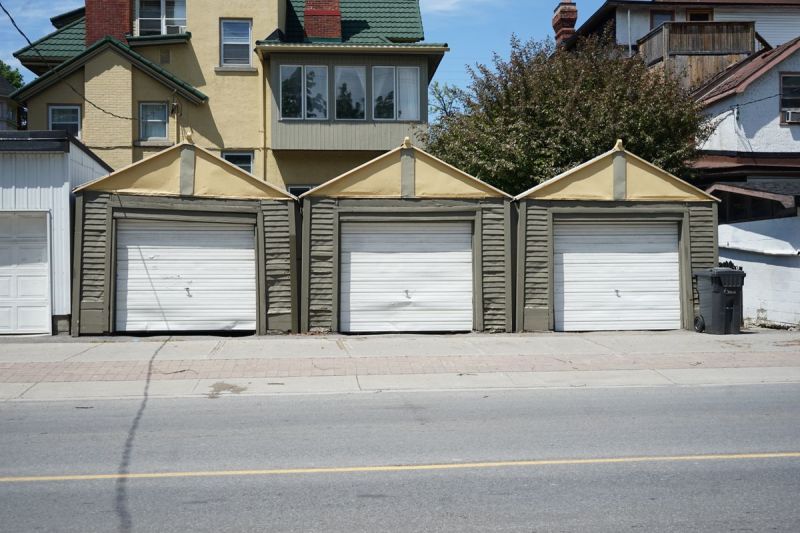
If you think there might be asbestos anywhere in the job, say so when you book. It costs nothing to mention and it saves a wasted visit. B's Waste Removal clears houses, garages, sheds and outbuildings across Bristol and will tell you straight if something needs testing before the rest of the load can go - the honest answer on the phone beats a crew standing in your drive with nowhere to put it.
The other reason it stops the job is contamination. Once broken sheet fragments are mixed into a general load, the whole load becomes hazardous. One cracked garage roof panel tipped in with three cubic yards of household waste turns a £280 clearance into a several-hundred-pound disposal problem. Crews are cautious for good reason.
Where Asbestos Actually Turns Up in Bristol Homes
The stereotype is loft insulation. In practice, that is one of the rarer places to find it in a domestic Bristol property. The common ones are much more mundane.
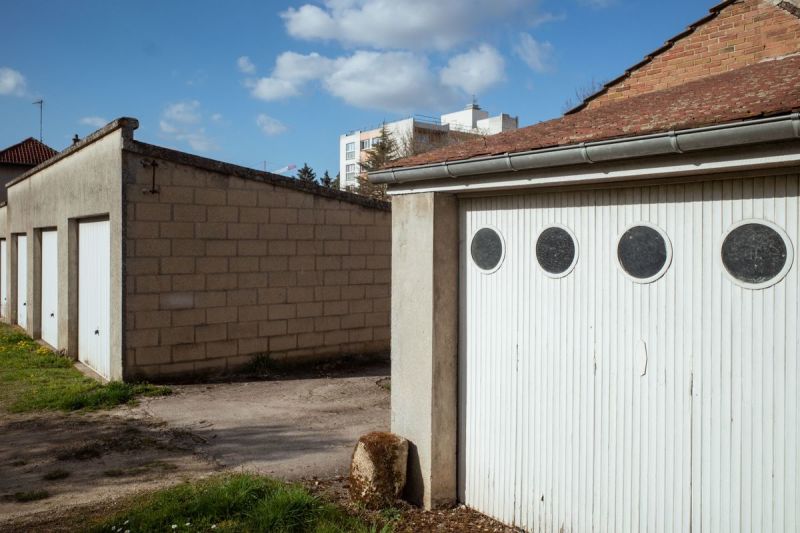
Corrugated cement sheeting on garage and shed roofs is the single most frequent find, and it is on thousands of interwar and post-war Bristol garages. Cement flue pipes from old back boilers. Artex and textured coatings on ceilings, which contained chrysotile until the mid-1980s. Vinyl floor tiles, usually 9 inch squares, often with a black bitumen backing. Insulating board around airing cupboards, behind fire surrounds and in old warm air heating units. Water tanks in lofts, moulded from asbestos cement.
The Rough Age Test
If the building or the component went in before 1985, treat it as suspect. Between 1985 and 1999, treat it as possible. After 2000, it is almost certainly fine. That is a blunt rule and it will occasionally be wrong in both directions, but it is the one that keeps people safe on a Saturday morning in their own garage. A 1960s Bristol semi with an original attached garage is close to a coin flip on the roof sheet.
How to Tell Without Touching It
You cannot identify asbestos by eye with any certainty. Anyone who tells you otherwise on a driveway is guessing. What you can do is note the visual markers that raise the odds.
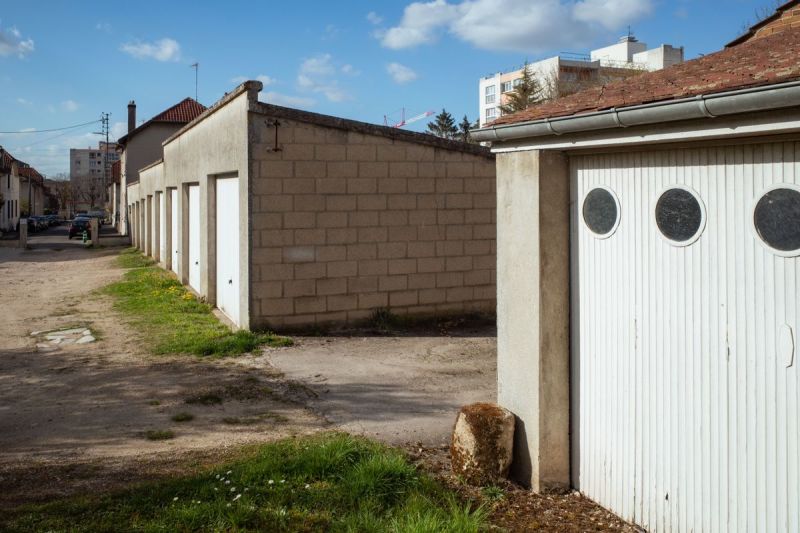
Cement sheeting containing asbestos tends to be greyish, slightly fibrous at broken edges, and lighter than it looks. Modern fibre cement replacements look similar, which is exactly the problem. Sheets are usually corrugated in a shallow profile, roughly 1.1m wide, fixed with hook bolts. Insulating board is softer, often painted, and dents rather than chips. Artex has that swirled or stippled pattern applied with a comb.
The safe approach: photograph it, do not scrape it, do not drill it, do not jet wash it, and get a sample tested. The Health and Safety Executive's guidance on where asbestos is found in buildings is the plain-English reference worth ten minutes of your time before clearance day.
What Testing Costs in Bristol
A single sample sent to a UKAS-accredited lab costs around £30 - £60 in 2026, with results usually back in two to five working days. Some Bristol labs offer a same-day or next-day service at £70 - £100. A surveyor attending to take samples on your behalf runs £150 - £300 for a small domestic job, and that is the right call if the suspect material is on a roof or otherwise awkward to reach.
For a straightforward garage roof, one sample is usually enough. For a whole-house clearance in a 1960s property with artex, floor tiles and an old flue, budget for three or four samples at around £150 - £200 all in. That is cheap next to the alternative of contaminating a full clearance load.
Removal Costs: Licensed and Non-Licensed Work
Not all asbestos removal needs a licensed contractor. This is where a lot of Bristol homeowners overpay.
Asbestos cement products - garage roofs, shed panels, flue pipes, water tanks - are usually non-licensed work. A competent contractor can remove them under controlled conditions without an HSE licence. A typical single garage roof in Bristol costs £500 - £1,200 to strip, bag, and dispose of properly, depending on pitch, access and whether the frame is coming down too. A shed roof or a handful of panels is often £350 - £600.
Insulating board, sprayed coatings and loose fill insulation are licensed work. That means an HSE-licensed contractor, notification to the HSE 14 days in advance, enclosure, air monitoring and a clearance certificate. Costs start around £1,500 for a small area and rise quickly. A full loft strip-out can pass £3,000.
Artex sits awkwardly in between. Removing it is usually non-licensed but must be done wet and without power sanding. Skim-coating over it is often the cheaper and safer answer, at £15 - £25 per square metre.
Disposal and the Paperwork Trail
Whoever takes the waste away must be registered to carry it and must give you a hazardous waste consignment note. The government's guide to classifying waste sets out where asbestos sits, and the waste carrier registration checker lets you confirm a firm is legitimate in about a minute. We have covered what the rules and costs are for paint, chemicals and other hazardous household waste in Bristol if you have a garage full of the other problem materials as well.
Bristol's household recycling centres will accept small quantities of bonded asbestos from residents by prior arrangement, double-wrapped, but they will not accept it from a trader and they will not accept loose material. Check current arrangements on Bristol City Council's bins and recycling pages before loading anything into a car boot - and honestly, for a whole roof, do not.
Sequencing a Clearance Around Asbestos
The order matters more than people expect. Get the suspect material tested first, before you book anything. If it comes back positive, arrange removal as a separate job, and only then book the general clearance for the rest.
Trying to run both at once rarely works. The removal contractor needs space to work and a clean route out. A clearance crew working around a sealed enclosure is slow and awkward, and slow means expensive. Splitting the two jobs by a few days typically costs less overall than squeezing them into one morning.
If the asbestos is a garage roof and the garage is also full of junk, clear the contents first, then remove the roof. Empty buildings are quicker and safer to strip, and you will usually save £100 - £200 on the removal quote for the access alone.
Bristol's Damp Climate Makes Old Sheeting Worse
Bristol sees roughly 800 - 900mm of rain a year, spread across around 130 wet days. Decades of that on an unpainted cement garage roof does two things: it erodes the cement matrix at the surface, and it encourages moss, which holds water against the sheet through winter.
A weathered 1960s garage roof in Bristol is measurably more friable than the same sheet kept dry and painted. That is why jet washing an old garage roof is one of the worst things you can do to it - the pressure strips the weathered surface and releases fibres directly into the air and into your garden. Every year, somebody in Bristol does exactly this on a sunny weekend in April.
Frost cycling adds to it. Water sitting in surface pores expands when it freezes, and Bristol averages around 30 - 40 air frost days a year. Sheets that were sound in 1990 can be soft and cracking by now.
Choosing Who Does the Work
For non-licensed cement work, ask for evidence of asbestos awareness training and non-licensed work training, public liability insurance, and a method statement that mentions wetting, controlled lowering and double-bagging. Anyone proposing to smash sheets and shovel them is not the firm for the job.
For licensed work, check the contractor's HSE licence number and ask to see the clearance certificate procedure. TrustMark is a reasonable starting filter for vetted trades, though it is not asbestos-specific.
Get two or three quotes. Prices vary more on this work than almost anything else in the trade, and a quote that is dramatically cheaper than the others usually means somebody is skipping the disposal route.
Frequently Asked Questions
Can a Bristol waste removal firm take my old garage roof away?
Not as part of a general clearance load, and not unless they hold the right registration for hazardous waste. Asbestos cement needs separate handling, separate transport and a hazardous waste consignment note. Most man-and-van clearance firms in Bristol will clear the contents of the garage and arrange or recommend a specialist for the roof itself.
How much does it cost to remove an asbestos garage roof in Bristol?
Between £500 and £1,200 for a typical single garage in 2026. A double garage runs £900 - £1,800. Price depends on pitch, height, access for a van, whether the timber frame is being replaced, and how sound the sheets are - crumbling sheets take longer to remove intact and cost more.
Is it safe to live in a house with asbestos in it?
Generally yes, if the material is in good condition, sealed or painted, and left alone. Asbestos is dangerous when fibres are released, which happens through drilling, sanding, breaking or weathering. Undamaged artex on a ceiling poses very little risk. A cracked, moss-covered garage roof that sheds fragments is a different matter and should be assessed.
Do I have to tell a buyer there is asbestos in the property?
You must answer the property information form honestly. If you know there is asbestos, say so. Concealing it can support a misrepresentation claim after completion. In practice, a bonded cement garage roof rarely stops a sale - buyers and surveyors see them constantly - but a nasty surprise found by their surveyor will cost you more in renegotiation than an upfront disclosure would have.
```json { "@context": "https://schema.org", "@type": "FAQPage", "mainEntity": [ { "@type": "Question", "name": "Can a Bristol waste removal firm take my old garage roof away?", "acceptedAnswer": { "@type": "Answer", "text": "Not as part of a general clearance load, and not unless they hold the right registration for hazardous waste. Asbestos cement needs separate handling, separate transport and a hazardous waste consignment note. Most man-and-van clearance firms in Bristol will clear the contents of the garage and arrange or recommend a specialist for the roof itself." } }, { "@type": "Question", "name": "How much does it cost to remove an asbestos garage roof in Bristol?", "acceptedAnswer": { "@type": "Answer", "text": "Between £500 and £1,200 for a typical single garage in 2026. A double garage runs £900 to £1,800. Price depends on pitch, height, access for a van, whether the timber frame is being replaced, and how sound the sheets are - crumbling sheets take longer to remove intact and cost more." } }, { "@type": "Question", "name": "Is it safe to live in a house with asbestos in it?", "acceptedAnswer": { "@type": "Answer", "text": "Generally yes, if the material is in good condition, sealed or painted, and left alone. Asbestos is dangerous when fibres are released, which happens through drilling, sanding, breaking or weathering. Undamaged artex on a ceiling poses very little risk. A cracked, moss-covered garage roof that sheds fragments should be assessed." } }, { "@type": "Question", "name": "Do I have to tell a buyer there is asbestos in the property?", "acceptedAnswer": { "@type": "Answer", "text": "You must answer the property information form honestly. If you know there is asbestos, say so. Concealing it can support a misrepresentation claim after completion. In practice a bonded cement garage roof rarely stops a sale, but a surprise found by the buyer's surveyor will cost more in renegotiation than an upfront disclosure would have." } } ] } ```
Ready to work with B's Waste Removal?
Let's connect! We’re here to help.
Send us a message and we’ll be in touch.
Or give us a call today at 111-222-3333
Agency Contact Form
More Marketing Tips, Tricks & Tools
B's Waste Removal