Soil, Rubble and Hardcore Removal in Bristol: Why Heavy Waste Costs More and What to Budget
A cubic metre of household junk weighs around 100kg. A cubic metre of wet Bristol clay weighs closer to 1,800kg. That single difference explains almost every surprise on a heavy waste bill, and it catches out thousands of homeowners a year. Bristol produces roughly 4.5 million tonnes of construction, demolition and excavation waste across the wider West of England each year, and soil and rubble make up the bulk of it. Yet most people booking a collection still think in terms of how full the van looks. With a patio dig-out or a driveway rip-up, the van will be a quarter full and already illegal to drive. If you're clearing soil, broken concrete, old paving or hardcore anywhere in Bristol, here's how the pricing actually works and what you should expect to pay in 2026.
Why Heavy Waste Is Priced Differently
Every van and tipper has a legal payload, and it is much lower than people assume. A standard 3.5-tonne Luton with a tail lift often has only 900kg to 1,200kg of usable payload once the body, the fuel and two crew are accounted for. That is under a cubic metre of damp soil.
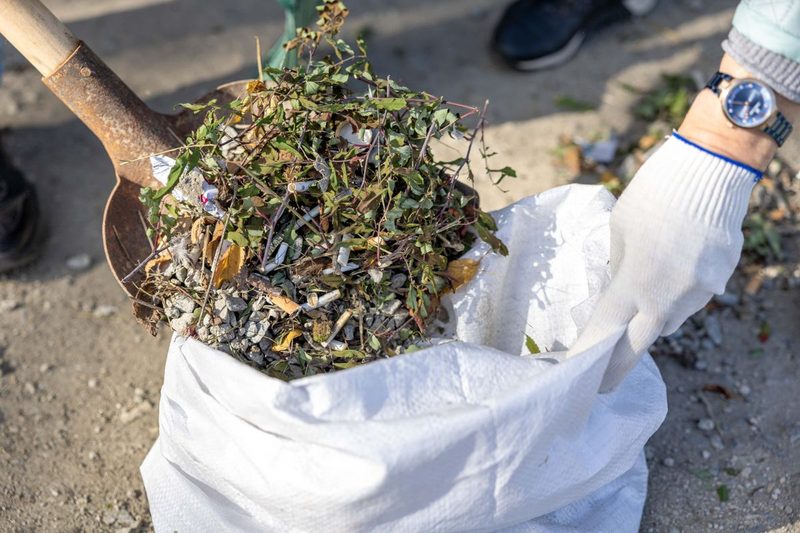
So a heavy waste collection is not really a van hire. It is a weight allowance. A firm quoting you £180 for a "half load" of general household waste cannot do the same job with rubble, because the same physical space now weighs a tonne and a half and the vehicle is over its plated limit. Overloading is an offence that carries fines and licence points for the driver, so any legitimate operator will simply refuse.
If you're clearing a garden or a driveway in Bristol and you'd rather have someone weigh up the job properly before you commit to a price, it's worth getting a local team out to look at the pile rather than guessing from a photo. Five minutes on site usually saves an argument on the day.
What Counts as Heavy or Inert Waste
Inert waste is the industry term for material that does not rot, leach or react. It goes to a different disposal facility from general waste, at a different rate, and it needs to be kept separate.
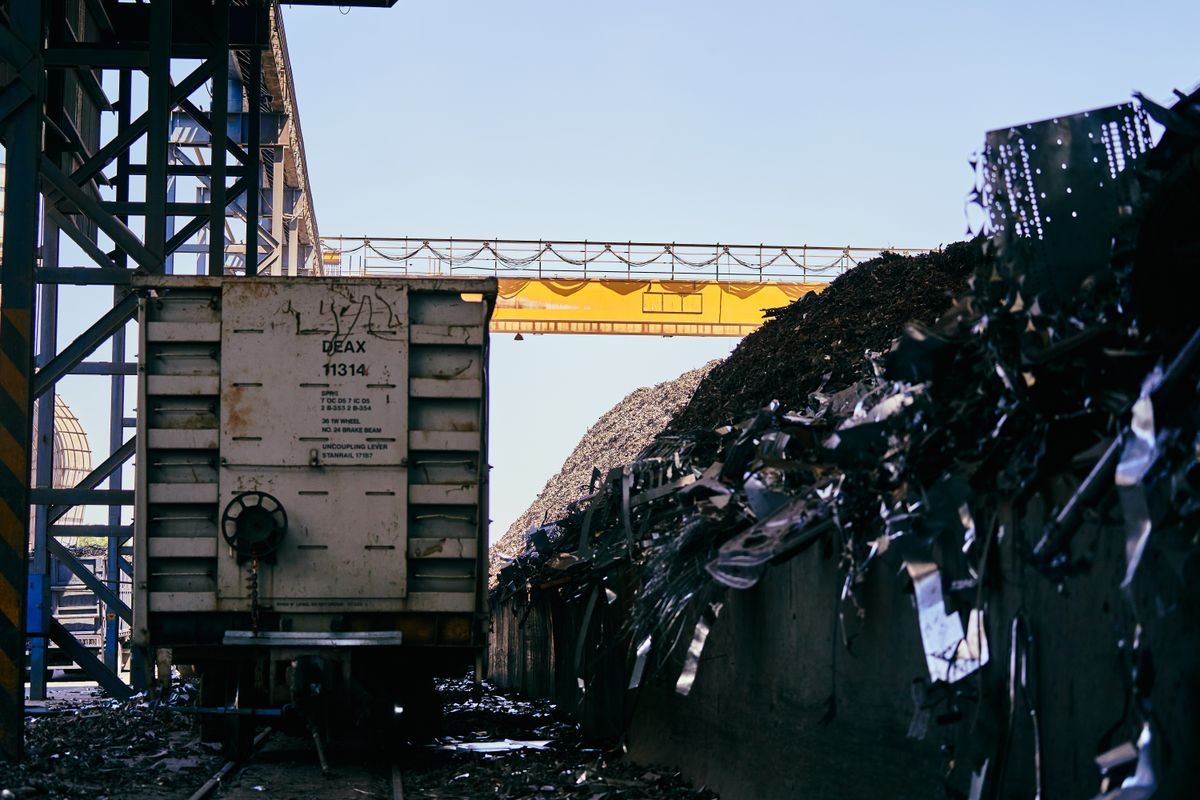
The usual list: subsoil and topsoil, turf, clay, broken concrete, brick, block, rubble, hardcore, MOT type 1, old flags and paving slabs, ceramic tiles, kerb stones, gravel, sand, and cement-based debris. Plasterboard is the awkward exception. It looks like builders' waste but contains gypsum, which produces hydrogen sulphide in landfill, so it must be separated and handled under its own rules and usually carries a surcharge of £10 to £20 per sheet or around £120 per tonne.
The Mixing Problem
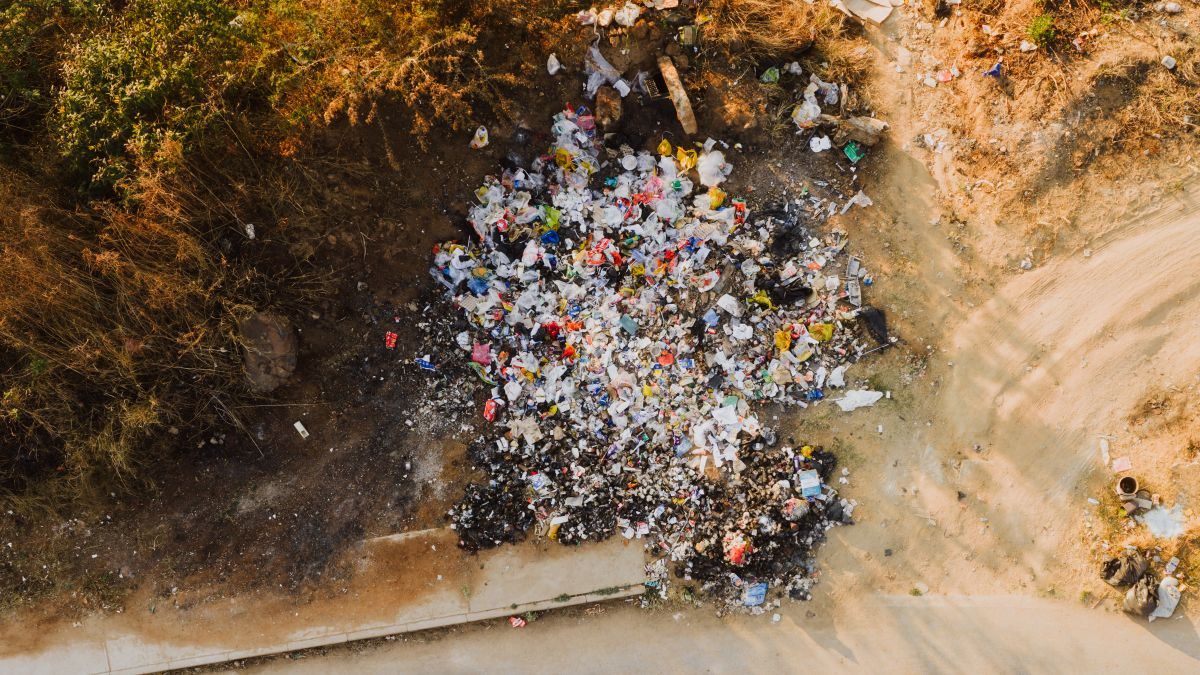
The single most expensive mistake is mixing. Put a bin bag, a length of fence panel and a bag of cement offcuts on the same pile of soil and the whole load stops being inert. It's now mixed waste, and it goes to a mixed-waste transfer station where gate fees run £190 to £260 per tonne rather than the £30 to £80 per tonne charged for clean inert material.
That is a difference of roughly four times, on a job where you might be moving three tonnes. Keep the pile clean and you will genuinely save more than the cost of an extra afternoon's sorting. We've covered how this plays out on bigger jobs in our guide to builders' waste and renovation clearance in Bristol, which is worth reading if your soil is coming out alongside a kitchen or a bathroom strip-out.
What It Costs in Bristol in 2026
Prices vary by how far the material has to be carried to the vehicle and whether it is bagged or loose, but the following ranges are typical across BS postcodes this year.
- One tonne, loaded and taken away: £140 to £200
- Two tonnes: £240 to £330
- Three tonnes: £330 to £450
- Per additional tonne beyond three: £90 to £130
- Tonne bags (the woven builders' bags) collected from the kerbside: £95 to £145 each
- Plasterboard, separated: £120 to £180 per tonne on top
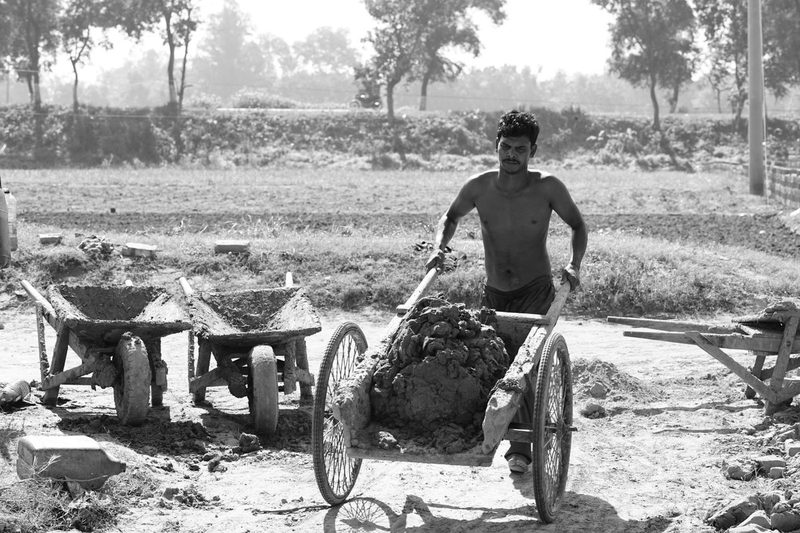
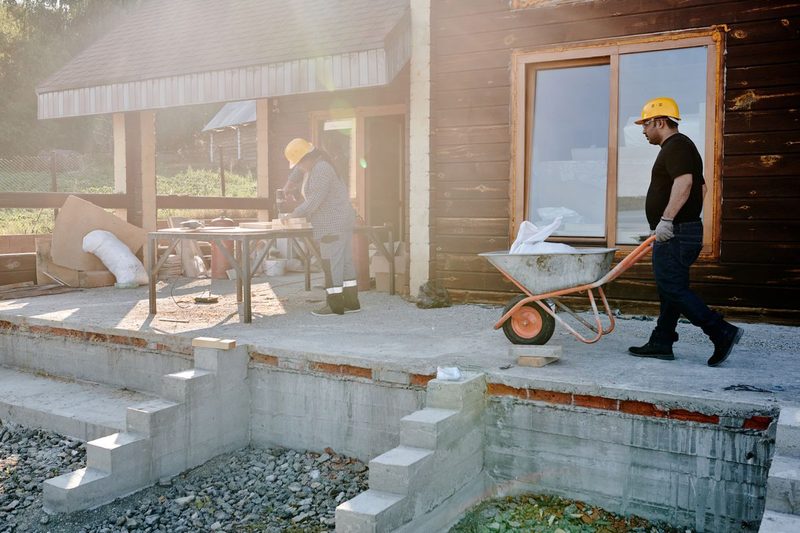
Labour is the swing factor. Soil already bagged and sitting on the pavement is at the bottom of those ranges. Soil at the bottom of a terraced garden in Totterdown, up eighteen steps and out through the house, can add £60 to £120 an hour in labour because two people are barrowing it for three hours before anything moves.
How Much Is a Tonne, Roughly?
People consistently underestimate this. As a rough guide for Bristol's heavy clay soils: a 2m x 2m patio dug out to 150mm produces about 1.1 tonnes. A single-car driveway lifted to 200mm gives you 4 to 6 tonnes. A standard builders' bag holds around 0.8 tonnes of soil, which is why they sag and why a pallet truck will not lift a full one.
Wet weight matters too. Bristol gets around 820mm of rain a year, and the city's Mercia Mudstone and Lias clay hold water stubbornly. Soil dug in January can weigh 20 to 30% more than the same soil dug in July. If your job can wait for a dry fortnight, it will genuinely cost less.
Your Legal Duty of Care Does Not End at the Gate
This is the part homeowners routinely get wrong. Under the waste duty of care code of practice, you remain responsible for waste you produce until it is handed to someone legally entitled to take it. If a man with a tipper takes your rubble for £80 cash and fly-tips it on a lane near Failand, Bristol City Council can and does trace it back to you.
Fixed penalties for householders who fail their duty of care start at £200, and prosecution can reach an unlimited fine. Fly-tipping across England ran at over 1.1 million incidents in the last full reporting year, and construction and demolition waste is one of the most commonly dumped categories, precisely because it is expensive to dispose of legally.
Two checks protect you. Search the carrier's registration on the Environment Agency's public register of waste carriers, which takes about thirty seconds. Then ask for a waste transfer note for the collection, with the carrier's registration number, a description of the material and the destination site on it. Keep it for two years. A firm that hesitates over either request is telling you something useful.
Skip, Grab Lorry or Man and Van?
There are three sensible routes for heavy material in Bristol and they suit genuinely different jobs.
A skip makes sense when the work is spread over days and you need somewhere to throw material as you go. Watch the size. A builder's 8-yard skip cannot legally be filled with soil, and most Bristol suppliers will only permit rubble in a 4-yard or 6-yard skip. Expect £220 to £320 for a 6-yard mixed skip, plus £60 to £120 for a permit if it's going on the highway, which in most of Bristol's terraced streets it will be.
A grab lorry is the cheapest option per tonne once you're past about six tonnes, at roughly £220 to £380 for a 12 to 16-tonne load. The catch is access: the grab arm needs to reach the pile from the road, so it only works for front gardens, driveways and open sites.
Man and van clearance wins when the material is already out, the quantity is under about five tonnes, or the pile is somewhere a grab arm will never reach. You're paying for the labour as much as the disposal. For a back garden in Bishopston or a basement in Clifton, it is usually the only option that actually works.
Bristol-Specific Things That Change the Price
Access is the recurring theme here, and Bristol is a genuinely awkward city for it.
Residents' parking zones now cover much of the inner city, and a tipper sitting outside your house for two hours in a RPZ needs a suspension or a permit. Bristol City Council's waste and recycling service pages set out what the household centres will and won't take, and the short version for heavy waste is that DIY soil and rubble are limited by volume and often chargeable, so the free-tip-run plan tends to collapse after the second visit.
Then there's the topography. Clifton, Totterdown, Windmill Hill and St Andrews all have terraces where the rear garden sits several metres above or below street level, with no side access at all. Every barrow of soil goes through the hallway on boards. Budget an extra 30 to 50% in labour for those properties, and expect a sensible firm to insist on seeing it before quoting.
Contaminated ground is the last one. Parts of east and south Bristol carry a legacy of former industrial and coal workings, and made ground near old works can contain ash, clinker or worse. If soil comes up an odd colour or smells of tar or solvent, stop. That material needs a hazardous waste consignment and a licensed facility, and disposing of it as clean soil is an offence.
Getting the Best Price on a Heavy Waste Job
Four things reliably reduce what you pay, and none of them involve haggling.
Separate ruthlessly. Clean inert in one pile, plasterboard in another, general waste in a third. Bag or barrow the material to the nearest hard standing before the crew arrives if you're fit enough to do it, because carry distance is the biggest labour variable. Book after a dry spell rather than in February. And be honest about quantity when you get quotes, because a firm that arrives expecting two tonnes and finds five will either charge for a second trip or leave half of it.
One more. Get the price in writing with the tonnage allowance stated, not just "a load". Load is not a unit. Tonnes are.
Frequently Asked Questions
How much does it cost to remove soil in Bristol?
Expect £140 to £200 for the first tonne, and roughly £90 to £130 per additional tonne. A typical patio dig-out of 1 to 2 tonnes lands between £140 and £330 depending on access and whether the soil is already bagged.
Can I put soil and rubble in a normal skip?
Only in the smaller sizes. Most Bristol suppliers permit heavy material in 4-yard and 6-yard skips only, because a full 8-yard skip of soil exceeds the lorry's lifting and weight limits. Always tell the supplier what's going in before you book.
Why is rubble more expensive to remove than furniture?
Because disposal is charged by weight and vehicles have legal payload limits. A van full of furniture might weigh 400kg. The same van a quarter full of wet clay weighs over a tonne, so you pay for weight capacity rather than the space used.
Do I need to check the waste carrier's licence for garden soil?
Yes. Your duty of care applies to any waste you produce, including soil and turf. Check the carrier on the Environment Agency public register and get a waste transfer note. If the material is later fly-tipped, the council can pursue you as the producer.
```json { "@context": "https://schema.org", "@type": "FAQPage", "mainEntity": [ { "@type": "Question", "name": "How much does it cost to remove soil in Bristol?", "acceptedAnswer": { "@type": "Answer", "text": "Expect £140 to £200 for the first tonne, and roughly £90 to £130 per additional tonne. A typical patio dig-out of 1 to 2 tonnes lands between £140 and £330 depending on access and whether the soil is already bagged." } }, { "@type": "Question", "name": "Can I put soil and rubble in a normal skip in Bristol?", "acceptedAnswer": { "@type": "Answer", "text": "Only in the smaller sizes. Most Bristol suppliers permit heavy material in 4-yard and 6-yard skips only, because a full 8-yard skip of soil exceeds the lorry's lifting and weight limits. Always tell the supplier what is going in before you book." } }, { "@type": "Question", "name": "Why is rubble more expensive to remove than furniture?", "acceptedAnswer": { "@type": "Answer", "text": "Disposal is charged by weight and vehicles have legal payload limits. A van full of furniture might weigh 400kg. The same van a quarter full of wet clay weighs over a tonne, so you pay for weight capacity rather than the space used." } }, { "@type": "Question", "name": "Do I need to check the waste carrier's licence for garden soil?", "acceptedAnswer": { "@type": "Answer", "text": "Yes. Your duty of care applies to any waste you produce, including soil and turf. Check the carrier on the Environment Agency public register and get a waste transfer note. If the material is later fly-tipped, Bristol City Council can pursue you as the waste producer." } } ] } ```
```json { "@context": "https://schema.org", "@type": "Article", "headline": "Soil, Rubble and Hardcore Removal in Bristol: Why Heavy Waste Costs More and What to Budget", "description": "Soil, rubble and hardcore are priced by weight, not by how much space they take up in the van. Here's what heavy waste removal costs in Bristol in 2026, why a quarter-load can cost more than a full one, and how to avoid the mistakes that double the bill.", "author": { "@type": "Organization", "name": "The Team" }, "datePublished": "2026-09-18", "dateModified": "2026-09-18", "articleSection": "Waste Removal" } ```
Ready to work with B's Waste Removal?
Let's connect! We’re here to help.
Send us a message and we’ll be in touch.
Or give us a call today at 111-222-3333
Agency Contact Form
More Marketing Tips, Tricks & Tools
B's Waste Removal