Fire and Flood Damaged Property Clearance in Bristol: What's Involved and What It Costs
A house fire or a flooded ground floor turns every normal rule about clearance on its head. Roughly 150,000 dwelling fires are attended by UK fire services each year, and Bristol's older housing stock - much of it Victorian terraces with shared party walls and coal cellars below the damp-proof course - is more exposed to flood water than newer builds on higher ground. Insurers report that the average domestic flood claim runs well into five figures, and fire damage claims are frequently higher once smoke and water-from-hoses damage is added to the fire itself. This is not a job where you hire a skip and start throwing things in. Soot travels further than the flames, flood water is rarely clean, and getting the order of operations wrong can void an insurance claim before it is even assessed. Here is what a fire or flood clearance in Bristol actually involves, and what it costs.
What Makes Fire and Flood Clearance Different From a Normal House Clearance
A standard house clearance is about volume: how much stuff, how many rooms, how quick is access. A fire or flood clearance is about contamination first and volume second. Everything that has been in contact with smoke, soot, or flood water has to be assessed before it is touched, because some of it is salvageable and some of it is now hazardous waste.
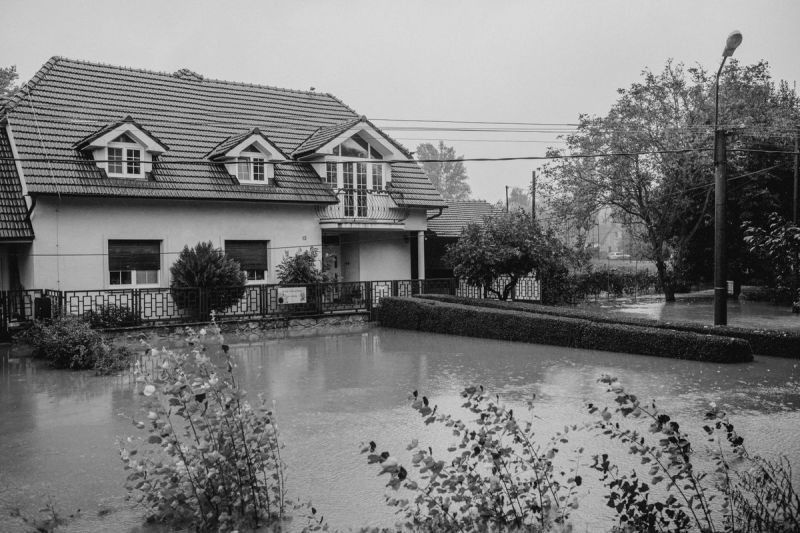
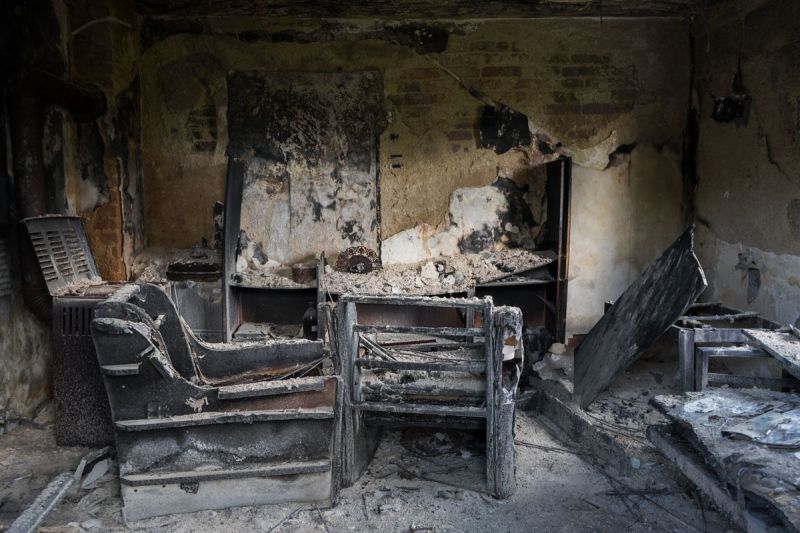
Soot is acidic and corrosive, and it keeps working on fabric, metal and plaster long after the fire is out, which is why speed matters more here than in almost any other clearance job. Flood water is worse than most people expect - even "clean" mains water that has been sitting on a carpet for two days picks up bacteria from sewage backflow, and anything that touched a drain, a septic system, or the ground outside counts as contaminated as standard. If you want a straight answer on whether your job needs specialist handling or a standard clearance, B's Waste Removal will tell you honestly over the phone before a crew turns up and finds out the hard way.
What Fire and Flood Damaged Property Clearance Costs in Bristol
Costs vary more here than on almost any other job type, because the damage itself is the main variable rather than square footage. A single room affected by a contained kitchen fire, with contents removal and soot-affected furnishings, typically runs £600 - £1,200. A full ground floor after a flood - carpets, skirting, damaged furniture, waterlogged plasterboard cut back to the flood line - is usually £1,800 - £3,500.
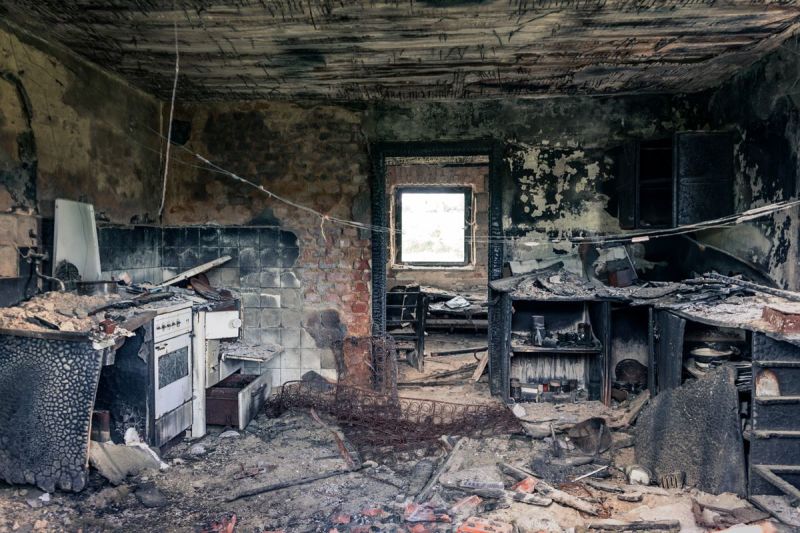
A whole-house fire clearance, where most contents are a total loss and structural drying has to follow, commonly reaches £4,000 - £8,000 once skip hire, hazardous waste handling and multiple site visits are factored in. Commercial premises scale up further, particularly where stock, refrigeration or specialist equipment is involved.
Why the Range Is So Wide
Three things move the price more than anything else: how much of the contents count as contaminated versus simply damaged, how far the water or smoke travelled through the building, and whether asbestos-containing materials are disturbed. A 1930s Bristol semi with an original chimney breast and pre-1985 flooring under the fire damage is a different, more expensive job than a 2005-built flat with the same square footage of damage - the older building has more to test before anything can be confirmed safe to remove.
Health Risks You Cannot See
The visible mess is rarely the biggest hazard. Soot particles from a domestic fire are fine enough to penetrate soft furnishings and cavity spaces, and continued exposure during clearance without the right protective equipment is a genuine respiratory risk - not just an unpleasant smell to put up with for an afternoon. Flood water that has been in contact with drainage, road run-off or garden chemicals carries bacteria and, occasionally, industrial contaminants picked up on the way into the property.
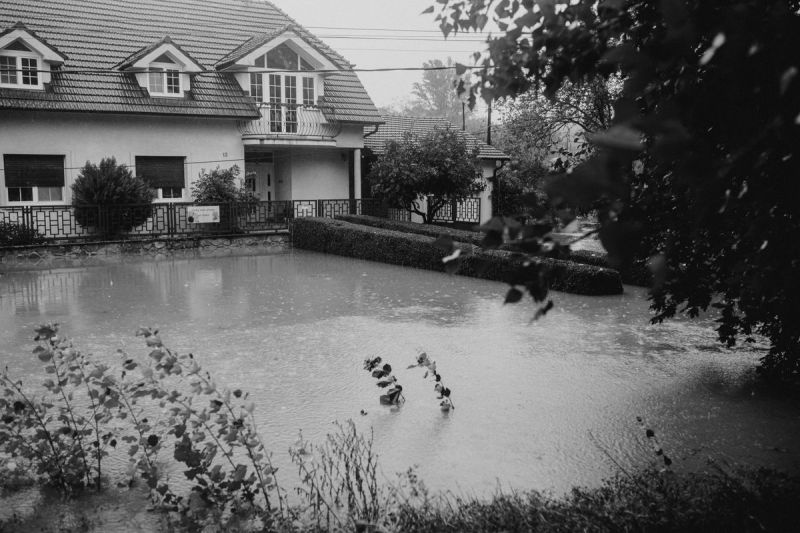
Mould is the slower risk. Anything left damp for more than 48 hours in a typical Bristol winter, when indoor humidity is already higher because of the weather outside, has a realistic chance of growing mould within a week, and the government's own guidance on the health risks of damp and mould is blunt about the respiratory harm that follows once it takes hold. That is why flood clearance crews prioritise getting wet contents and cut plasterboard out of the building fast, rather than waiting for an insurer's full assessment before anything moves.
Where This Overlaps With Hazardous Waste Rules
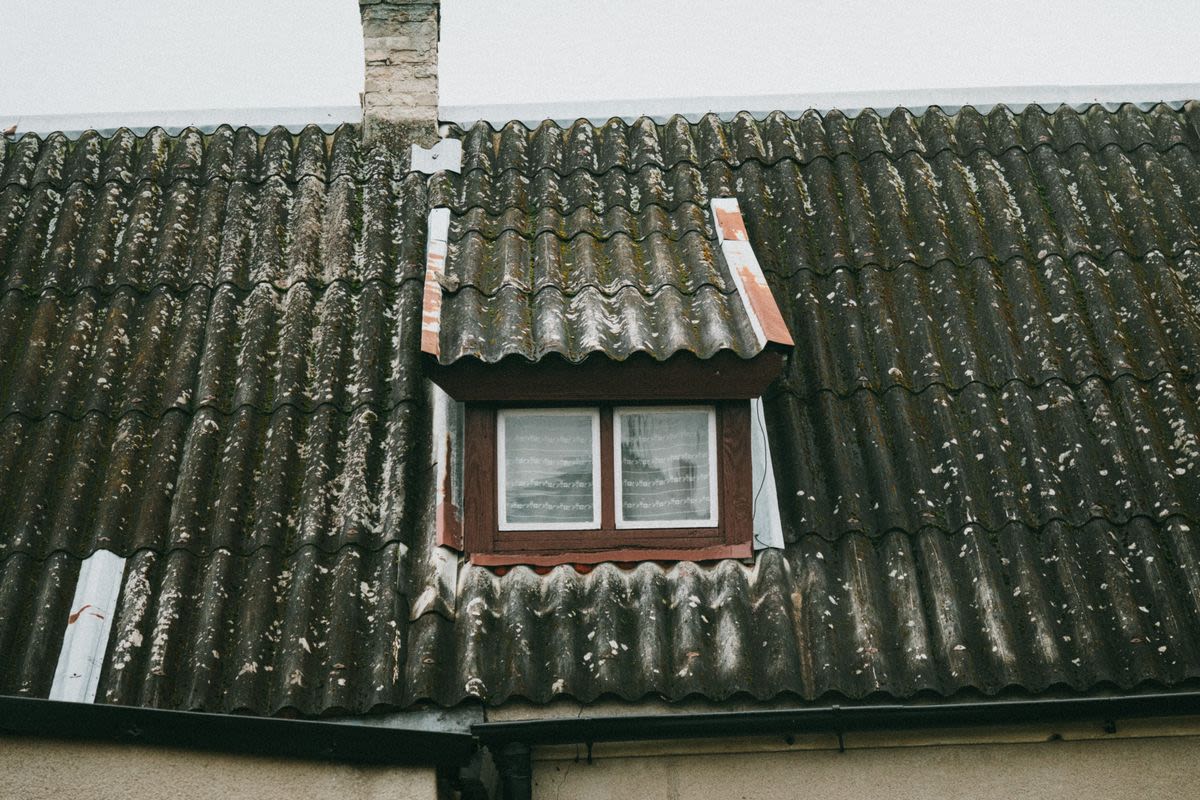
Fire and flood damage regularly disturbs materials that were previously safe simply sitting in place - a scorched garage roof, cracked artex on a ceiling that has been drenched by firefighting water, old floor tiles lifted by flooding. We covered this exact overlap in more detail in our guide to asbestos in a Bristol house, garage or shed clearance, and the same rule applies here: if the property is pre-1985 and the fire or flood has cracked, soaked or dislodged an older building material, treat it as suspect until it has been tested, not after.
Working With Insurers and Loss Adjusters
Most fire and flood clearances in Bristol are insurance-funded, and that changes the sequence of the job. Nothing significant should be removed or disposed of before a loss adjuster has inspected the property or the insurer has given written authority to proceed, unless the item poses an immediate safety risk. Photograph everything in situ first - room by room, close up on damage, wide shots for context - before a single item leaves the building.
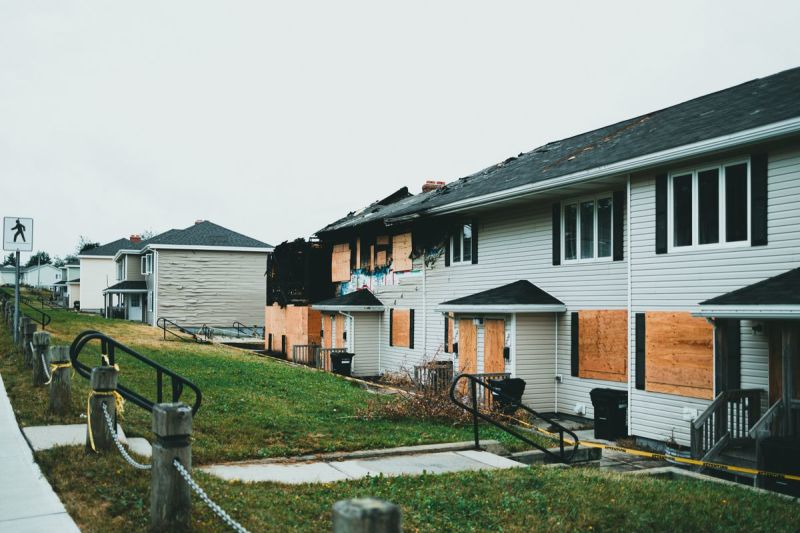
A reputable clearance firm will work directly with your loss adjuster, provide itemised waste transfer documentation, and keep a written inventory of anything disposed of versus anything placed into storage for the insurer's assessor to inspect later. Skipping this step is the single most common reason a straightforward claim gets delayed by weeks rather than days.
Bristol's Flood Risk and Older Housing Stock
Bristol sits on a tidal stretch of the River Avon, and low-lying areas close to the river and its tributaries carry a noticeably higher flood risk than the city average. Worth knowing before the water's already in your hallway, not after: you can check the specific risk for any Bristol postcode using the government's flood risk checker. The city also gets around 800 - 900mm of rain a year across roughly 130 wet days, so saturated ground and surface water flooding are a recurring risk even away from the river, especially after a run of wet autumns.

Older Bristol housing compounds the problem. A large proportion of the city's stock predates 1919, with cellars below the damp-proof course, single-skin garage roofs, and floor and wall materials that are far more likely to need testing before removal than anything built in the last thirty years. Real flood exposure plus a city full of older, potentially hazardous materials. That combination is exactly why fire and flood clearance in Bristol tends to run longer and cost more than the same job in a newer suburb elsewhere in the country.
Choosing a Contractor for Fire and Flood Clearance
Not every clearance firm is set up for this work, and it shows quickly on site. Ask whether the contractor holds public liability insurance that specifically covers contaminated waste handling. Ask whether they can issue a hazardous waste consignment note where needed. Ask whether they have actually worked to a loss adjuster's instructions before, rather than just a homeowner's. A firm that hesitates on any of those three is one you don't want on a fire or flood job. The British Damage Management Association, the UK trade body for fire and flood restoration contractors, is a reasonable starting point if you also need drying and restoration work alongside the clearance itself.
Get everything in writing before work starts: what is being removed, what is being kept for assessment, and what the disposal route is for anything classified as hazardous. A firm that cannot answer these questions clearly on the phone is unlikely to handle the paperwork correctly once the job is under way.
Sequencing the Clean-Up: What Happens First
Order matters more here than in any other type of clearance. Safety checks - gas, electrics, structural stability - come before anyone starts moving contents, and that is a job for the fire service or a qualified engineer, not a clearance crew. Photography and insurer sign-off come next, followed by removal of anything posing an immediate contamination or safety risk.
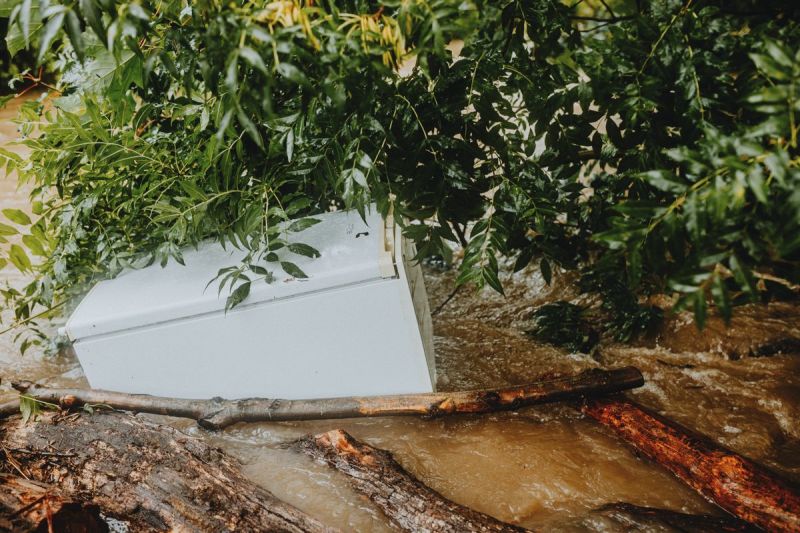
Only once those steps are done does general clearance of damaged contents begin, run alongside or just ahead of any structural drying. Skipping ahead to make a property look tidy again, however tempting after a fire or flood, is the most common way homeowners end up disputing what their insurer will and will not cover.
Frequently Asked Questions
Can I clear a fire or flood damaged property myself before the insurer inspects it?
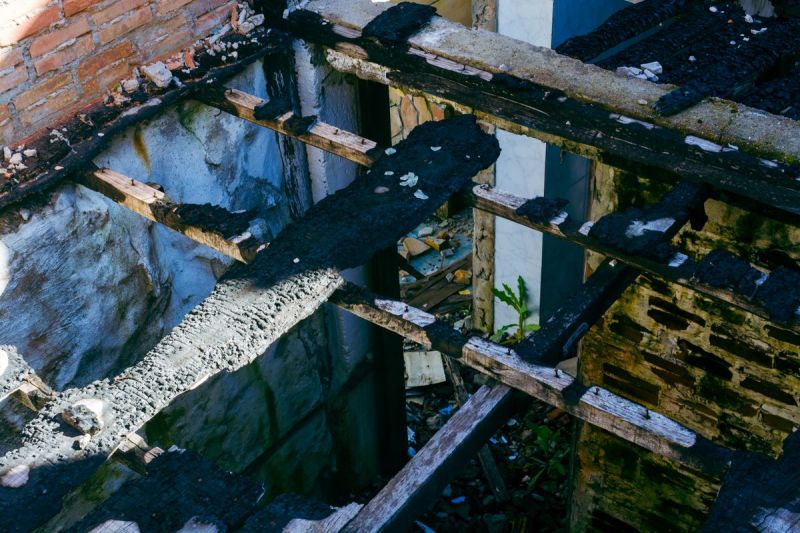
You can remove anything posing an immediate danger, but otherwise it is safer to wait for your loss adjuster's authority. Photograph every room and item of damage first. Clearing contents before assessment is one of the most common reasons insurance claims get reduced or delayed, because there is no longer physical evidence to support the value of what was lost.
How much does fire and flood damaged property clearance cost in Bristol?
A single contained room typically costs £600 - £1,200. A full ground floor after flooding usually runs £1,800 - £3,500, and a whole-house fire clearance with a full contents loss commonly reaches £4,000 - £8,000, depending on how much material needs specialist hazardous waste handling.
Is flood water from my own home actually dangerous?
Often, yes. Even water from a burst mains pipe becomes contaminated once it has been sitting on carpet, touched drainage, or mixed with dust and debris for more than a day or two. Bacteria growth starts quickly, which is why flood-affected soft furnishings are usually treated as a write-off rather than dried and reused.
Does a clearance firm handle asbestos found during fire or flood clean-up?
A general clearance crew can remove standard damaged contents, but suspected asbestos-containing material - a cracked garage roof, soaked artex, disturbed floor tiles - needs testing and, if confirmed, a specialist or licensed contractor. Say so when you book so the firm can plan the job in the right order rather than stopping mid-clearance.
```json { "@context": "https://schema.org", "@type": "FAQPage", "mainEntity": [ { "@type": "Question", "name": "Can I clear a fire or flood damaged property myself before the insurer inspects it?", "acceptedAnswer": { "@type": "Answer", "text": "You can remove anything posing an immediate danger, but otherwise it is safer to wait for your loss adjuster's authority. Photograph every room and item of damage first. Clearing contents before assessment is one of the most common reasons insurance claims get reduced or delayed, because there is no longer physical evidence to support the value of what was lost." } }, { "@type": "Question", "name": "How much does fire and flood damaged property clearance cost in Bristol?", "acceptedAnswer": { "@type": "Answer", "text": "A single contained room typically costs £600 to £1,200. A full ground floor after flooding usually runs £1,800 to £3,500, and a whole-house fire clearance with a full contents loss commonly reaches £4,000 to £8,000, depending on how much material needs specialist hazardous waste handling." } }, { "@type": "Question", "name": "Is flood water from my own home actually dangerous?", "acceptedAnswer": { "@type": "Answer", "text": "Often, yes. Even water from a burst mains pipe becomes contaminated once it has been sitting on carpet, touched drainage, or mixed with dust and debris for more than a day or two. Bacteria growth starts quickly, which is why flood-affected soft furnishings are usually treated as a write-off rather than dried and reused." } }, { "@type": "Question", "name": "Does a clearance firm handle asbestos found during fire or flood clean-up?", "acceptedAnswer": { "@type": "Answer", "text": "A general clearance crew can remove standard damaged contents, but suspected asbestos-containing material - a cracked garage roof, soaked artex, disturbed floor tiles - needs testing and, if confirmed, a specialist or licensed contractor. Say so when you book so the firm can plan the job in the right order rather than stopping mid-clearance." } } ] } ```
Ready to work with B's Waste Removal?
Let's connect! We’re here to help.
Send us a message and we’ll be in touch.
Or give us a call today at 111-222-3333
Agency Contact Form
More Marketing Tips, Tricks & Tools
B's Waste Removal