Fly-Tipping on Your Bristol Property: Who's Liable and What Clearance Costs
Waking up to a pile of somebody else's rubbish on your driveway, alleyway or yard is one of the more infuriating things that can happen to a Bristol property owner. England recorded roughly 1.15 million fly-tipping incidents in a single year, and Bristol alone deals with tens of thousands of reports annually - the city consistently sits among the worst-affected local authority areas in the South West. Around two thirds of all incidents involve household waste, and the average small-van-load tip costs a landowner between £120 and £250 to clear privately. Most people only learn the next bit when it happens to them. If the waste lands on private land, the council will not usually clear it, and the legal duty falls on you. This guide covers who is liable, how to report fly-tipping in Bristol properly, what clearance actually costs by load size, and the practical steps that stop repeat dumping.
Fly-Tipping on Private Land in Bristol: Who Is Actually Responsible?
The split is simple once you know it, and it catches people out constantly. If rubbish is dumped on public land - a highway, a pavement, a council-maintained verge, a public park - Bristol City Council is responsible for removing it, and they will, usually within a few working days of a report. If the same rubbish is dumped one metre over the boundary onto private land, responsibility transfers to the landowner or occupier. That includes your driveway, your rear alley if it is part of your deeds, a private car park, a business yard, or land behind a shared block of flats.
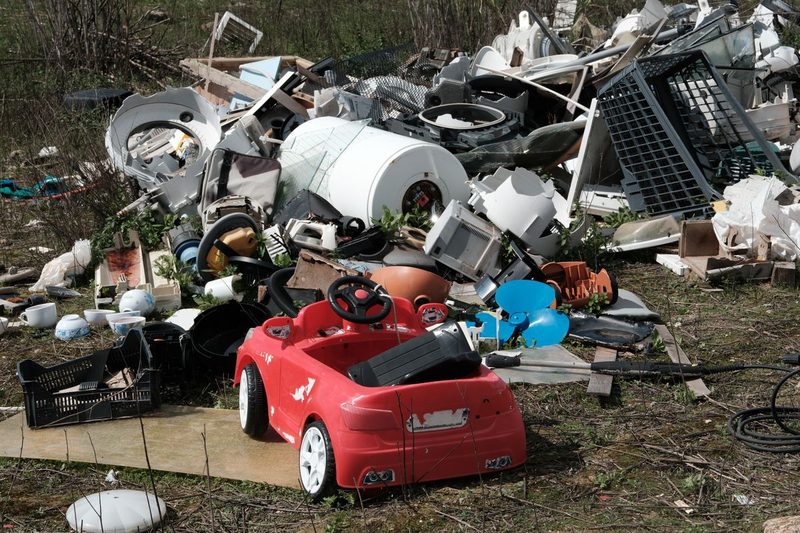
That responsibility is not optional. Under the Environmental Protection Act 1990, the occupier of the land has a duty to deal with waste on it, and in serious cases a council can serve a notice requiring clearance at the owner's expense. You did not create the waste, you did not benefit from it, and you still have to pay to remove it. The one thing you should not do is shift it yourself to the nearest public spot - that turns you from a victim into the person committing the offence, and the penalties are far heavier than the clearance cost.
Before you move anything, it is worth having a quick conversation with a licensed local firm about what is actually in the pile and what it will take to shift. If you are unsure whether a load needs specialist handling, the team at B's Waste Removal's Bristol clearance service can tell you over the phone from a couple of photos, which is usually faster than guessing.
What Counts as Private Land
Alleyways cause the most confusion in Bristol, particularly across the terraced streets of Easton, Bedminster, St George and Southville. Many rear lanes that look public are actually unadopted, with ownership split between the houses either side. If your deeds show a strip of the alley, that strip is yours to clear. Shared driveways and the parking areas behind converted flats fall into the same category. If you are not sure, the Land Registry title plan for your property will settle it for a few pounds.
Reporting It First: Why the Order of Operations Matters
Even though the council will not clear private land for you, you should still report the incident - and you should do it before the waste disappears. A logged report creates a record, and if the same spot is hit repeatedly, that record is what triggers enforcement activity, surveillance, or a signage and barrier request. Bristol City Council takes fly-tipping reports through its bins and recycling service pages, and reports can also be made through the national fly-tipping reporting route on GOV.UK for incidents on public land.
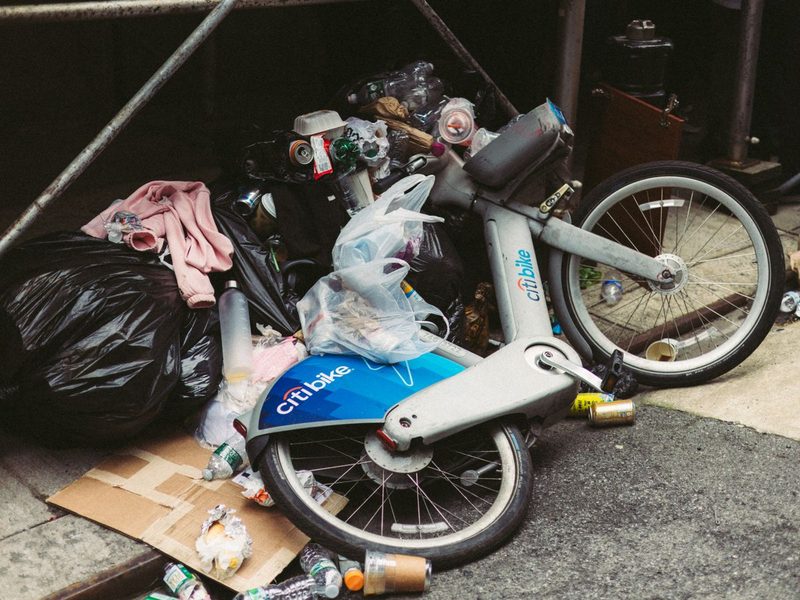
Photograph everything before anything is touched. Wide shots showing the location, close shots of the pile, and crucially close shots of anything with a name, address or reference number on it. Around 40% of successfully prosecuted fly-tipping cases start with an address found on a letter, parcel label or receipt inside the pile. Councils have issued fixed penalty notices of up to £1,000 for household fly-tipping, and courts can impose unlimited fines and up to five years' imprisonment for the worst offences.
Do not open bags with bare hands. Needles, broken glass, chemical residue and rodent contamination are all realistic finds in dumped waste, and a pair of thick gloves and a stick to nudge things is worth more than a tetanus booster.
What Clearance Actually Costs in Bristol
Pricing for a fly-tip clearance works the same way as any other collection - by the volume the waste occupies in the van, plus a surcharge for anything that needs special handling. For a typical dumped load in Bristol in 2026, expect roughly:
- Single item or a few bags (a quarter of a small van): £80 - £120
- Quarter to half load, the classic "someone emptied a car boot" tip: £120 - £200
- Half to three-quarter load, a full house-clearance-sized dump: £200 - £320
- Full 3.5-tonne van load: £320 - £450
Those figures include labour, loading, transport and disposal at a licensed transfer station. Bristol's commercial tipping gate fees have risen sharply, driven largely by Landfill Tax, which sits at over £126 per tonne for standard-rate waste in 2026 - that single line item is the main reason clearance prices have climbed roughly 25 - 30% in three years.
The Surcharges That Catch People Out
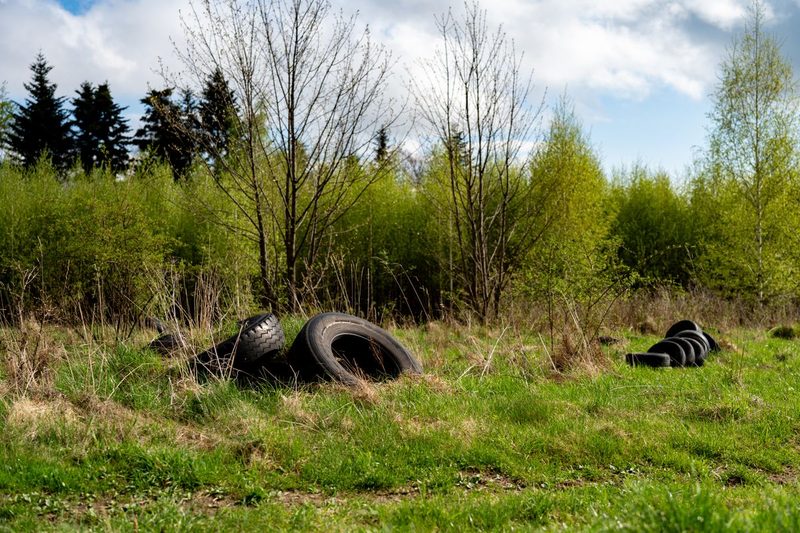
Mattresses attract a £25 - £40 each supplement because they cannot go through standard compaction. Fridges and freezers carry a £30 - £50 charge for degassing. Tyres are typically £8 - £15 each. Plasterboard must be separated entirely and disposed of in a dedicated non-hazardous gypsum cell, adding £40 - £80 to a load. If you have been hit with a builder's tip containing mixed rubble and gypsum, that is where the price jumps. We have written a fuller breakdown of what different loads cost in our guide to checking a waste carrier licence in Bristol, which also explains why the cheapest quote is often the one that ends up costing you most.
The Duty of Care Trap: Why the Cheap Man With a Van Can Cost You £400
This is the bit that turns a bad morning into an expensive one. When you hand waste to somebody else, your legal duty of care does not end. Under the same Environmental Protection Act, you remain responsible for making sure the waste goes to a properly licensed facility. If you pay an unlicensed operator £60 cash to make it go away and they dump it in a lane in Avonmouth, the letter with your address on it goes into their pile, and the enforcement notice comes to you.
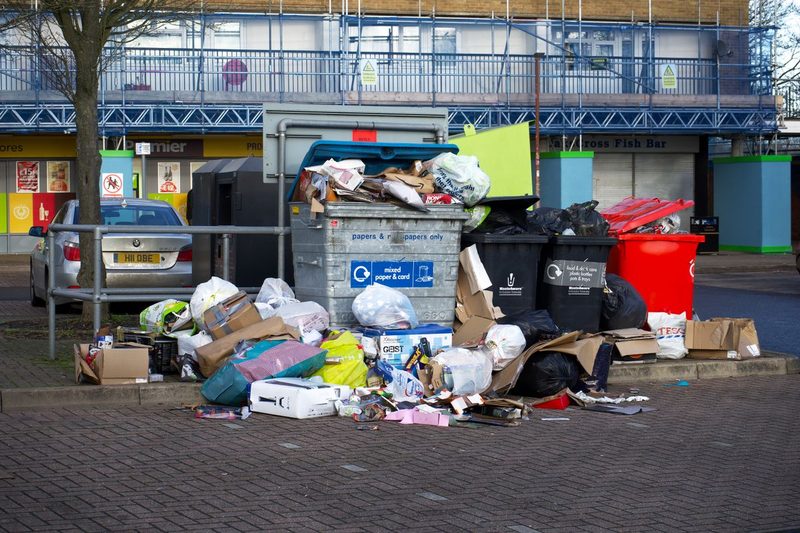
Bristol City Council and neighbouring authorities have issued fixed penalty notices in the £300 - £400 range to householders for exactly this - householder duty of care breaches. You were fly-tipped on, you paid to fix it, and you got fined. Hard to think of a worse outcome.
The check takes ninety seconds. Every legitimate carrier holds a registration with the Environment Agency, and you can verify it yourself on the public register of waste carriers and brokers. Ask for the registration number, type it in, and confirm the name matches the business you are paying. Ask for a waste transfer note too - a legitimate firm will provide one without blinking.
Bristol-Specific Hotspots and Why the Weather Makes It Worse
Fly-tipping in Bristol is not evenly spread. The pattern clusters around three things: unadopted rear lanes, garage blocks behind 1960s and 1970s estates, and the semi-industrial fringes around Avonmouth, St Philip's Marsh and the Feeder Road corridor. Anywhere with vehicle access, no overlooking windows and no lighting is a target.
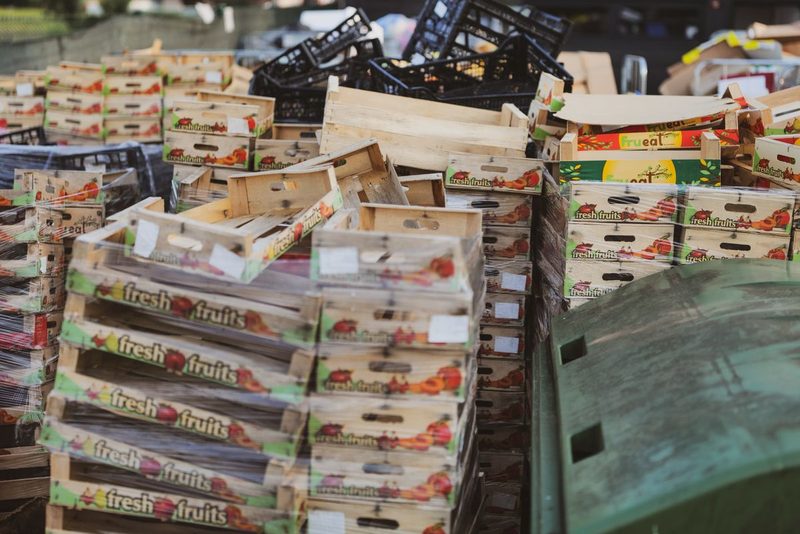
Bristol's weather makes it worse, in a way people do not think about. The city sees around 850 - 900mm of rain a year spread over roughly 130 wet days, and the wet season runs long - October through March is realistically six months of saturated ground and short daylight. Dumped waste that sits through that gets heavier, dirtier and more expensive to move. A sofa left out for three weeks in a Bristol winter can absorb enough water to double its weight, which pushes it from a two-person lift to a four-person lift and moves it up a price band. Cardboard and mixed household waste that could have been largely recycled becomes contaminated and has to go for general disposal instead, which costs more per tonne.
There is a staffing side to it too. Licensed waste operators across the West of England are stretched, with demand spikes every August and September as student lets turn over across Clifton, Redland, Cotham and Fishponds. If you are hit in late summer, book early in the week - Friday and weekend slots in Bristol fill fastest.
Stopping It Happening Again
Most repeat fly-tipping is opportunistic rather than targeted. Small deterrents work far better than you would expect. Roughly 70 - 80% of repeat dumping at a given spot stops after a physical or visual barrier goes in.
The cheapest effective measures, in rough order of value per pound spent:
A PIR-activated LED floodlight over the access point costs £30 - £60 and runs on pennies a month. Darkness is what makes a spot attractive, so taking the darkness away does most of the work. A visible camera helps too - a basic battery Wi-Fi unit is £40 - £90, and even a dummy with a blinking LED changes behaviour.
After that it is physical: a lockable bollard, a chain across an alley mouth, or a gate, somewhere in the £150 - £600 range depending on width. A £15 - £30 sign saying the land is private and reported to the council is worth putting up at the same time.
But the biggest single factor is speed. A cleared site gets hit far less often than one with a pile already on it, because an existing pile is a signal that dumping is tolerated here. Leave it a fortnight and you will have two piles.
If You Manage a Block or a Business Yard
Commercial and multi-occupancy sites need one extra step: make sure your own waste storage is not the invitation. Overflowing trade bins with open lids, bins left on the highway outside collection windows, and unsecured skip areas all attract additional dumping. Bristol businesses also have a separate legal obligation to hold a commercial waste contract and retain transfer notes for two years - guidance on that sits within the government's overview of managing waste responsibly.
Getting It Cleared Quickly Without Making It Worse
Photograph it, report it, check your carrier, get it cleared, then make the spot less appealing. In that order. Most Bristol clearances can be done same-day or next-day if the pile is accessible and does not contain hazardous material.
Tell whoever is quoting three things and you will get an accurate price first time rather than a revised one on the day: roughly how big the pile is compared to a standard washing machine or a car boot, whether it contains mattresses, fridges, tyres, plasterboard or paint, and how close a 3.5-tonne van can park to it. Access is the most common reason a quote changes - a pile at the far end of a 40-metre alley with no vehicle access is a genuinely different job from the same pile on a driveway.
One last note on paint, solvents, asbestos sheeting and gas bottles. If any of those are in the pile, say so upfront and do not move them. Asbestos in particular, common in dumped garage and shed debris, needs a licensed route and is covered by HSE asbestos guidance. Handling it wrongly is a health risk and a legal one.
Frequently Asked Questions
Will Bristol City Council clear fly-tipping from my driveway? No. The council clears fly-tipping from public land - highways, pavements, parks and council-owned land - but waste dumped on private land is the landowner's or occupier's responsibility to remove. You should still report it so the location is logged, which supports enforcement and future prevention, but the clearance cost falls to you. Typical private clearance in Bristol runs £80 - £450 depending on volume.
Can I be fined for rubbish someone else dumped on my land? You will not be fined for being the victim of fly-tipping. You can be fined if you then dispose of that waste improperly - for example by moving it onto public land, or by paying an unlicensed operator who dumps it again. Householder duty of care penalties in England run up to around £400. Always verify your carrier on the Environment Agency public register and keep the waste transfer note.
How much does it cost to clear a fly-tip in Bristol? As a guide for 2026: a few bags or a single item £80 - £120, a quarter to half van load £120 - £200, a half to three-quarter load £200 - £320, and a full 3.5-tonne van £320 - £450. Add roughly £25 - £40 per mattress, £30 - £50 per fridge or freezer, £8 - £15 per tyre, and £40 - £80 if plasterboard is present.
Should I search through the dumped waste for evidence? Photograph it thoroughly, but do not rummage bare-handed. Wear thick gloves, use a stick, and look for visible letters, parcel labels, receipts or delivery notes without opening sealed bags. Sharps, broken glass and chemical residue are common. Hand anything with an address on it to the council rather than approaching the person yourself.
How quickly should I get fly-tipped waste removed? As fast as practical. An existing pile signals that the spot is tolerated and attracts more dumping, often within days. Bristol's long wet season also means waste sitting outdoors gains weight and contamination, which moves it into a higher price band and rules out recycling routes that would otherwise have been cheaper.
Ready to work with B's Waste Removal?
Let's connect! We’re here to help.
Send us a message and we’ll be in touch.
Or give us a call today at 111-222-3333
Agency Contact Form
More Marketing Tips, Tricks & Tools
B's Waste Removal