Scrap Metal in Bristol: What's Worth Money, What Costs You, and How Collection Actually Works
There is a persistent belief in Bristol that any pile of metal is money waiting to be collected. Sometimes it is. Copper pipe stripped from a bathroom rip-out can be worth £4 to £6 a kilo, and a bathful of it adds up. But the average household clear-out produces metal that is worth almost nothing per kilo, mixed in with items that actually cost money to dispose of legally - fridges, gas bottles, anything with a compressor. Roughly 70% of a typical domestic metal load is low-grade steel worth around 10p to 20p a kilo, which means a full car boot of it might buy you a coffee. Add the fuel to get across Bristol and the two hours queuing at a yard off Feeder Road, and the maths turns quickly. This guide sets out what actually has value, what does not, and when it makes more sense to have a mixed load taken in one go.
What Scrap Metal Is Actually Worth in Bristol
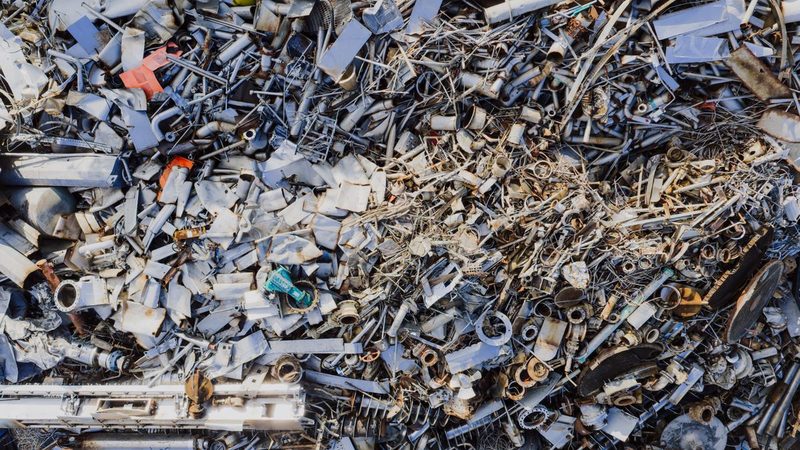
Scrap prices move weekly with global commodity markets, so treat every figure here as a working range rather than a quote. The split that matters is ferrous versus non-ferrous. Ferrous metal contains iron, sticks to a magnet, and is worth very little. Non-ferrous metal does not stick to a magnet, and is where the money is.
As a 2026 working guide for Bristol yards:
- Copper pipe and cable (bright, clean) - £4.50 to £6.50 per kg
- Brass fittings, taps, valves - £2.80 to £4.00 per kg
- Aluminium (radiators, window frames, cans) - £0.70 to £1.20 per kg
- Lead (flashing, old pipe) - £1.00 to £1.60 per kg
- Stainless steel - £0.60 to £1.00 per kg
- Mixed light iron (the typical shed or garage load) - £0.08 to £0.18 per kg
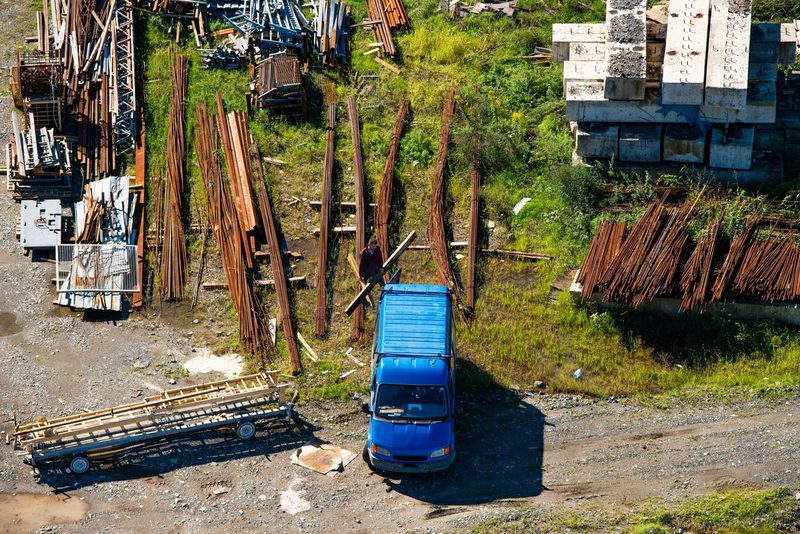
The practical consequence: a domestic radiator weighing 25kg is a £3 to £4 item. A steel shed frame might be £8. An old cast-iron bath, at roughly 100kg, is maybe £12 to £15 - and getting it down a flight of stairs is a two-person job that no scrap dealer will do for you. If you have genuinely valuable non-ferrous metal in decent quantity, it is worth separating out. If you have a garage of mixed junk with some metal in it, talking to us about a single collection will almost always beat sorting, loading and driving it yourself.
The Metal That Costs You Money Instead
This is the part most people are not expecting. Several common household metal items are classed as hazardous or as WEEE (waste electrical and electronic equipment), and carry a disposal cost rather than a scrap value.
Fridges and freezers contain refrigerant gases and insulating foam that must be degassed under controlled conditions before the metal shell can be recycled. No scrapyard will take one over the weighbridge. Expect £25 to £45 for collection and correct processing.
Gas bottles and aerosols are refused outright at most yards because of explosion risk in the shear. Camping gas, patio heater bottles and old fire extinguishers all need separate routes.
Anything with a compressor or a sealed oil circuit - air conditioning units, dehumidifiers, tumble dryers with heat pumps - falls under the same restriction as fridges.
The rules behind this come from the hazardous waste regime, and the producer of the waste carries the duty of care for it. The Environment Agency's guidance on managing your waste sets out where that responsibility sits, and it does not transfer to whoever physically drives the van unless that person is properly registered.
Where Electricals Fit In
Small appliances complicate the picture further, because a microwave or a washing machine is simultaneously a lump of steel and a piece of regulated electrical waste. We've gone through that in detail in our guide to electrical waste disposal in Bristol and the 2026 rules and costs, which is worth reading before you load anything with a plug on it into the car.
Why Nobody Can Pay You in Cash
If a Bristol scrapyard offers you cash, walk away - they are breaking the law and you are dealing with an operator who is likely cutting corners elsewhere too.
The Scrap Metal Dealers Act 2013 made it a criminal offence for a scrap metal dealer to pay for scrap in cash. Payment has to be by bank transfer or by cheque that can only be paid into an account, and the dealer must record the seller's verified identity. The Act was a direct response to the wave of metal theft in the late 2000s, when lead was being stripped off church roofs across the South West at a rate of several incidents a month.
What this means for you in practice:
- Bring photo ID. A driving licence or passport, plus something showing your address. No ID, no sale.
- Expect payment in two to three working days , not on the spot.
- Every load is logged. Your details sit on a record the dealer must keep for three years.
- Licensed dealers only. Every legitimate yard holds a licence issued by its local authority, and Bristol City Council publishes the register.
Doing It Yourself: The Real Cost of a Bristol Scrap Run
Say you have cleared a garage and you have roughly 200kg of mixed metal - an old lawnmower, a bed frame, some fencing, a radiator, a bike with a seized bottom bracket.
At mixed light iron rates, that load is worth somewhere between £16 and £36. Now count the other side of the ledger:
- Fuel and time - two round trips across the city in a car, because 200kg will not go in one: roughly £8 to £12 in fuel, plus 2 to 3 hours
- Damage risk - sharp, oily, rusted metal in a passenger vehicle, with no van liner
- The refused items - the mower has an engine with residual oil and petrol, so it may come back home with you
- Loading - the heaviest items are the ones worth the least per kilo
Bristol's tip sites at Avonmouth and St Philips do accept household metal free of charge for residents, which removes the fuel-versus-payment calculation entirely for smaller volumes. But van and pickup access requires a permit, the booking system fills up in the spring and summer, and there are annual limits on DIY-type waste.
When a Collection Beats the Scrapyard
The break-even point is not really about weight. It is about how mixed the load is.
A collection makes clear sense when:
- The metal is mixed with non-metal waste - timber, plasterboard, old carpet, general junk. Sorting it out to isolate £20 of steel is rarely worth the afternoon.
- There are restricted items in the pile. One fridge in a load means at least one separate trip.
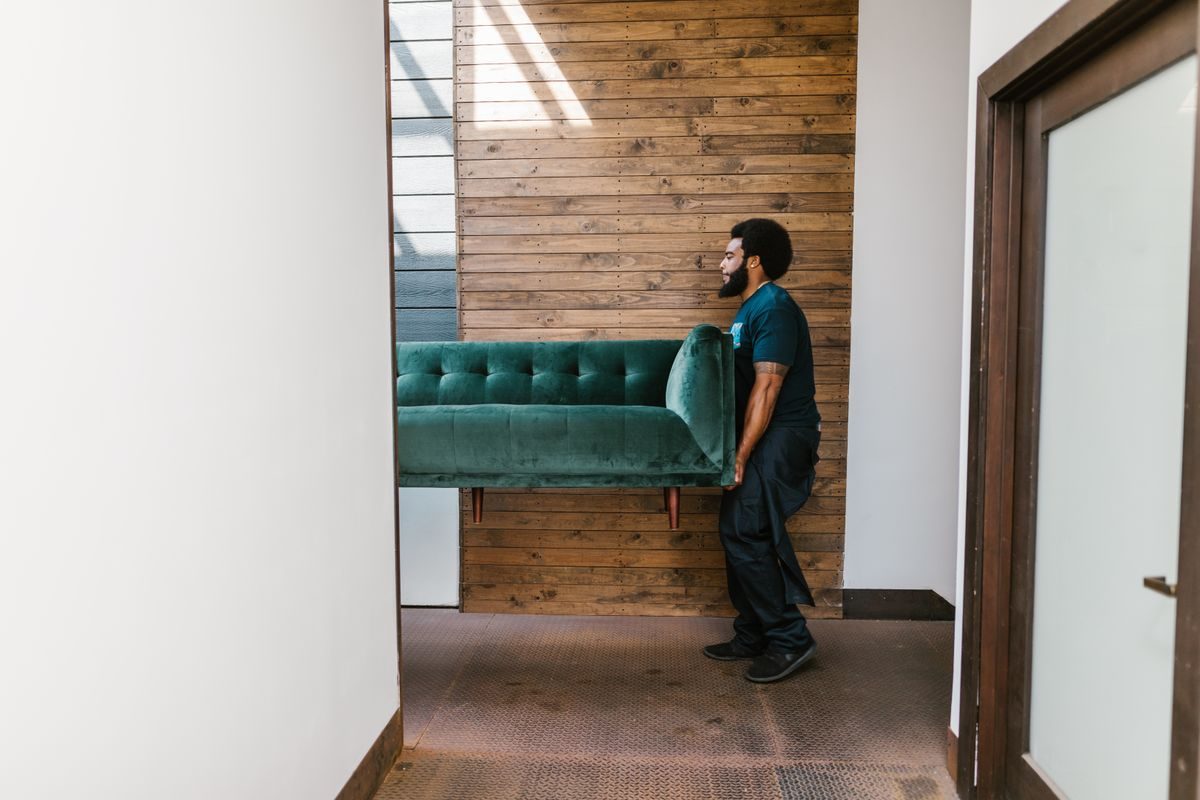
- Access is the problem. A cast-iron bath on the first floor of a Victorian terrace in Bedminster, or a boiler in a Clifton basement, is a two-person lift with stairs involved.
- You are working to a deadline. End of tenancy, completion date, a skip permit expiring.
Typical Bristol collection pricing runs from around £70 to £110 for a single-item or quarter-load job, £140 to £200 for a half load, and £280 to £380 for a full 14-cubic-yard van load, with heavy metal-dense loads sitting at the upper end because weight, not volume, sets the disposal cost at the transfer station.
Checking Whoever Takes It Away
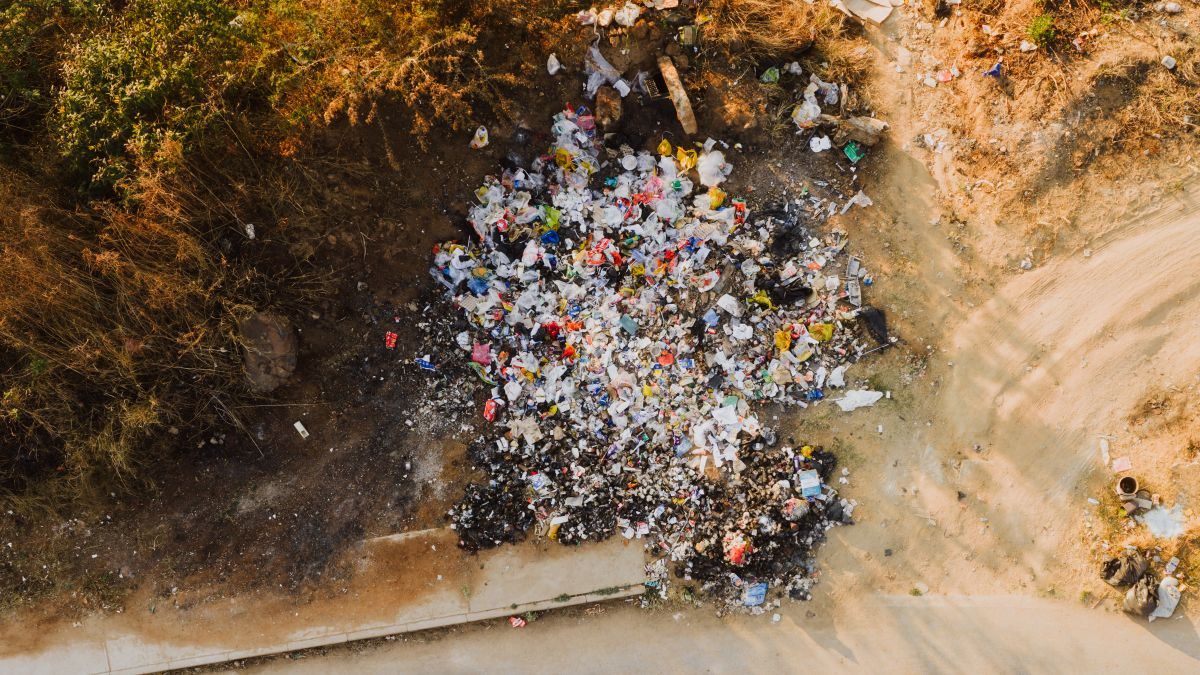
Whether the metal is worth money or not, the legal risk of it being fly-tipped afterwards sits with you as the householder. Anyone collecting waste must be a registered carrier, and you can verify a licence in about 30 seconds on the Environment Agency's public register of waste carriers and brokers. Ask for the registration number before the van arrives, not after. Fly-tipping fines for householders who failed to check start at £400 in fixed penalty terms and rise considerably at court.
What to Separate Before Anyone Turns Up
If you want to get the best of both worlds, ten minutes of sorting is usually enough.
Worth setting aside: copper pipe and cable offcuts, brass taps and valves, lead flashing, aluminium window frames, stainless sinks. Keep copper clean - stripped bright copper cable is worth roughly double the same cable with the sheathing still on.
Not worth separating: steel shelving, bed frames, fencing, garden tools, radiators, old bikes. The value per item is too low to justify handling twice.
Flag before collection: fridges, freezers, gas bottles, fire extinguishers, anything with a compressor, car batteries, and paint tins with liquid still in them. These change the price and sometimes the vehicle, so mentioning them on the phone saves a wasted visit.
One last point on scale. Roughly 11 million tonnes of metal are recycled in the UK each year, and metal is one of the genuinely closed-loop materials - steel and aluminium can be reprocessed indefinitely without losing structural quality. So even the load that earns you nothing is not wasted. It is just worth more to the system than it is to your wallet.
Frequently Asked Questions
Can I get cash for scrap metal in Bristol?
No. The Scrap Metal Dealers Act 2013 makes cash payment for scrap a criminal offence in England and Wales. Licensed yards pay by bank transfer or by non-transferable cheque, and must verify your identity first. A dealer offering cash is operating illegally.
Is it worth taking a radiator or an old bath to a scrapyard?
Rarely. A domestic steel radiator weighs around 25kg and is worth £3 to £4 at mixed iron rates. A cast-iron bath at roughly 100kg might reach £15, but moving it usually needs two people and a stair route. The value almost never covers the effort.
What metal items will a scrapyard refuse?
Fridges, freezers, air conditioning units and anything else containing refrigerant gas, plus gas bottles, aerosols, fire extinguishers and car batteries. These need separate, controlled handling and carry a disposal charge rather than a scrap value.
How much does metal waste collection cost in Bristol?
As a 2026 guide, expect £70 to £110 for a small or single-item job, £140 to £200 for a half load, and £280 to £380 for a full van. Metal-heavy loads sit at the upper end because transfer station charges are based on weight.
Am I liable if my scrap metal gets fly-tipped?
Yes, potentially. Householders have a duty of care to check that whoever takes their waste is a registered waste carrier. If your waste is found dumped and you cannot show you checked, you can be issued a fixed penalty starting at £400.
```json { "@context": "https://schema.org", "@type": "FAQPage", "mainEntity": [ { "@type": "Question", "name": "Can I get cash for scrap metal in Bristol?", "acceptedAnswer": { "@type": "Answer", "text": "No. The Scrap Metal Dealers Act 2013 makes cash payment for scrap a criminal offence in England and Wales. Licensed yards pay by bank transfer or by non-transferable cheque, and must verify your identity first. A dealer offering cash is operating illegally." } }, { "@type": "Question", "name": "Is it worth taking a radiator or an old bath to a scrapyard?", "acceptedAnswer": { "@type": "Answer", "text": "Rarely. A domestic steel radiator weighs around 25kg and is worth roughly 3 to 4 pounds at mixed iron rates. A cast-iron bath at around 100kg might reach 15 pounds, but moving it usually needs two people and a stair route. The value almost never covers the effort." } }, { "@type": "Question", "name": "What metal items will a scrapyard refuse?", "acceptedAnswer": { "@type": "Answer", "text": "Fridges, freezers, air conditioning units and anything else containing refrigerant gas, plus gas bottles, aerosols, fire extinguishers and car batteries. These need separate, controlled handling and carry a disposal charge rather than a scrap value." } }, { "@type": "Question", "name": "How much does metal waste collection cost in Bristol?", "acceptedAnswer": { "@type": "Answer", "text": "As a 2026 guide, expect 70 to 110 pounds for a small or single-item job, 140 to 200 pounds for a half load, and 280 to 380 pounds for a full van. Metal-heavy loads sit at the upper end because transfer station charges are based on weight." } }, { "@type": "Question", "name": "Am I liable if my scrap metal gets fly-tipped?", "acceptedAnswer": { "@type": "Answer", "text": "Yes, potentially. Householders have a duty of care to check that whoever takes their waste is a registered waste carrier. If your waste is found dumped and you cannot show you checked, you can be issued a fixed penalty starting at 400 pounds." } } ] } ```
```json { "@context": "https://schema.org", "@type": "Article", "headline": "Scrap Metal in Bristol: What's Worth Money, What Costs You, and How Collection Actually Works", "description": "Not all metal is worth taking to a scrapyard. Here's what Bristol scrap dealers actually pay in 2026, which items cost you money to get rid of, why you can't be paid in cash, and when a collection is the cheaper option.", "author": { "@type": "Organization", "name": "The Team" }, "datePublished": "2026-09-22", "dateModified": "2026-09-22", "articleSection": "Waste Removal" } ```
Ready to work with B's Waste Removal?
Let's connect! We’re here to help.
Send us a message and we’ll be in touch.
Or give us a call today at 111-222-3333
Agency Contact Form
More Marketing Tips, Tricks & Tools
B's Waste Removal