Basement and Cellar Clearance in Bristol: Costs and What's Involved
Bristol is a city built on top of its own storage problem. More than 30% of the city's homes were built before 1919, and a large share of those Victorian and Georgian terraces - across Redland, Cotham, Montpelier, Bedminster, Easton and Totterdown - sit over coal cellars that stopped holding coal decades ago and started holding everything else. The average UK household hoards an estimated £1,000+ worth of unused belongings, and the cellar is where the worst of it settles: damp boxes, dead appliances, offcuts from three renovations ago. With Bristol receiving around 800 - 900mm of rain a year and most cellars sitting below the damp-proof course, much of what comes out weighs 20 - 30% more than it went in. This guide covers what basement and cellar clearance costs in Bristol in 2026, why it is slower than clearing any other room, and how the awkward stuff actually gets out.
Why Bristol Cellars Fill Up - and Why They're Hard to Empty
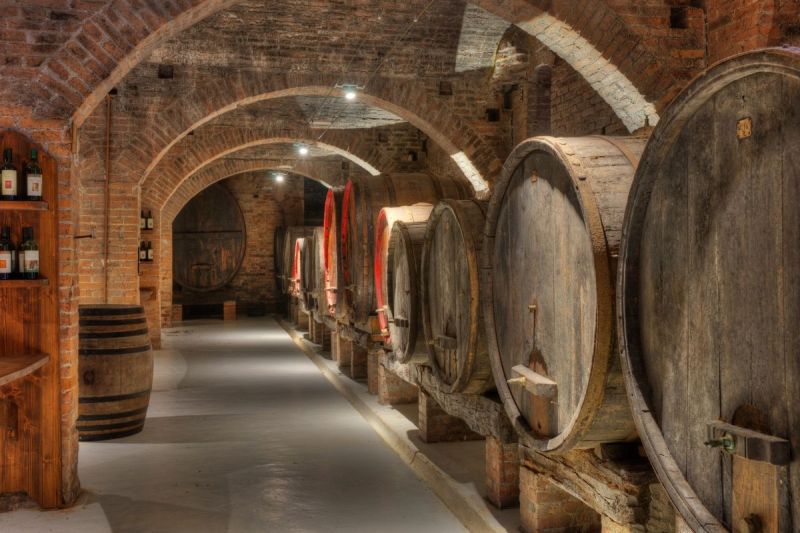
The coal cellar was standard issue on a Victorian terrace: a low room under the front of the house, filled through a cast-iron chute plate in the pavement, emptied by shovel. When the coal fires went, the cellars stayed - typically 1.6 - 1.8 metres of headroom, a single flight of steep steps off the hallway, no natural light and no ventilation to speak of. Perfect for putting things into. Terrible for getting things out of.

That is the core of why cellar clearance is its own job rather than a variation on a house clearance. Everything leaves through one narrow staircase, usually with a turn in it, carried by hand at a stoop. If you would rather hand the whole thing over, B's Waste Removal clears basements and cellars across Bristol - crew, carrying, disposal and paperwork all included, however dark and damp it is down there.
Volume-wise, most Bristol cellars hold less than people fear - a typical coal cellar runs 2 - 6 cubic yards of actual contents once it is pulled out and stacked. The difficulty is never the volume. It is the weight, the damp, and the fact that every single item makes the same awkward journey up the same awkward stairs.
What Basement and Cellar Clearance Costs in Bristol
Cellar clearance in Bristol is priced by volume with an honest eye on access, and in 2026 most jobs land between £150 and £400. A quarter-van load of cellar contents typically costs £90 - £150, a half van £160 - £250, and a full van £280 - £420 - the same banding as general man-and-van clearance, though cellar jobs sit at the top of each band more often because of the carrying involved. A genuinely packed double cellar under a larger Victorian house can run to a full load and beyond.
Weight-priced items are the wildcard. Cellars collect rubble, tiles, part-bags of cement gone solid, and jars of ironmongery, all charged at roughly £2 - £4 per sack because the van's payload fills long before its floor space does. A single sack of damp rubble weighs 25 - 30kg. Twenty of them is a significant slice of a 1-tonne payload from one small room.
What Pushes the Price Up
Three things move a cellar quote more than volume: damp (wet contents weigh 20 - 30% more and often need double-bagging), access (a turn in the stairs or headroom under 1.7m slows carrying by half), and surprises - the freezer someone walled in behind shelving, the 1970s paint tins, the roll of sodden carpet that now weighs 60kg. Flag what you know about when booking and the quote will survive contact with the job. Around 80% of cost disputes on clearance work trace back to things the crew was not told about.
What Comes Out of a Bristol Cellar - and Where It Goes
Fifty years of a household's overflow follows a pattern. Expect furniture past saving, boxes of paper and textiles ruined by damp, old tools and bikes, dead white goods, and leftover building materials from every job the house has ever had. On a typical clearance, 50 - 60% of what comes out can still be recycled or recovered - metals, clean timber, hard plastics - while the damp-ruined remainder is what actually ends up as waste.
Some of it needs special handling, and cellars produce more of this than any other room. Old paint, white spirit, garden chemicals and car batteries cannot travel in a general load and need declaring in advance. Fridges and freezers carry a £15 - £30 degassing surcharge each. And any suspect board or pipe lagging in a pre-2000 house should be treated as potentially containing asbestos and left untouched until it is checked - testing costs £30 - £60 a sample and is not a corner worth cutting in an unventilated room.
The paperwork matters here too. The government's guidance on your duty of care for household and business waste makes the waste producer responsible for what happens to it after collection, which is exactly why a proper firm documents what it takes and where it goes.
Damp: Why Cellar Waste Is Heavier and Nastier Than It Looks
Bristol's cellars are damp almost by design. They sit below the slate damp-proof course, behind solid brick walls in ground that takes 800 - 900mm of rain a year, and many streets near the Avon and the Frome sit over a high water table. Moisture wicks up and through, and anything porous stored down there - cardboard, fabric, chipboard, mattresses - absorbs it for years. A box of books that went down at 10kg can come up at 14kg.
Mould is the other passenger. Damp textiles and paper in an unventilated room grow mould spores that get airborne the moment things are disturbed, which is why crews bag wet soft contents in situ rather than carrying them loose through the house. If a cellar smells strongly musty, that is not an aesthetic problem - it is a sign the contents are saturated, the job is heavier than it looks, and the sooner it is cleared the less there is feeding the damp. Clearing the room is also step one of fixing it: a tanking or damp-proofing quote means an empty cellar first, and damp specialists routinely charge £100+ just to survey one they cannot see the walls of.
Access, Coal Chutes and Parking on Terraced Streets
The best asset a Bristol cellar clearance can have is the original coal chute. Where the pavement plate still lifts, smaller items can be passed straight up to the street - cutting out the staircase entirely and roughly halving carry time on the right job. Not every chute survives, and nothing bigger than the opening is going through it, but it is always worth mentioning when you book.
Everything else is street logistics. The terraces that have cellars are the same terraces with no driveways, and many sit inside Residents' Parking Zones where a badly parked van collects a £70 Penalty Charge Notice - £35 if paid within 14 days. A clearance van needs one space near the door for an hour or two, which is exactly the kind of short stop that works where a skip cannot: a skip on the road needs a £30 - £60 permit from the council, and Totterdown and Windmill Hill gradients make siting one properly a job in itself. Bristol City Council's bins, recycling and waste pages set out what the kerbside service and the city's recycling centres take if you are drip-feeding a small cellar out yourself - though carrying damp boxes up steps, into a car and across the city gets old within about three trips.
Clearing a Cellar Before a Conversion
More Bristol cellars are being cleared for a reason beyond tidiness: conversion. With the city's house prices pushing households to extend rather than move, a dry usable cellar adds genuine floor area, and every conversion starts with an empty room - the structural survey, the tanking quote and the Building Regulations inspection all need bare walls and a clear floor. Builders will not price what they cannot see, and 100% of them would rather not clear it for you at builder day rates.

Planning the Clear-Out Before the Builders Arrive
Timing the clearance a week or two before the first survey visit works best - long enough to deal with anything unexpected, short enough that the space does not silently refill. We have covered the before-the-builders clear-out in more detail in our guide to clearing a garage or loft before a conversion in Bristol, and the same logic applies below ground: sort the keep-pile first, be ruthless about the rest, and get the waste gone in one visit rather than five.
Choosing a Firm: Licence First, Price Second
The legal check comes before the quote comparison. Anyone collecting waste for money must be a registered carrier, and you can verify any firm in under a minute on the Environment Agency's public register of licensed waste carriers. England logged over 1.1 million fly-tipping incidents in a recent year, and household clearance waste from cash-in-hand collections is a steady contributor. If your cellar contents are found dumped in a lane off the ring road and traced back to you, the fixed penalty for a duty of care failure runs up to £600 - and fly-tipping itself carries penalties up to £1,000 and unlimited fines on conviction.
Beyond the licence, ask two questions: will you get a waste transfer note, and has the firm actually cleared cellars before. The second one is not filler - a crew that knows to bag wet contents downstairs, protect the hallway carpet on the way through, and check for a usable coal chute will finish in half the time of one that treats it like emptying a garage. On an access-priced job, experience is the discount.
---
FAQ
Q: How much does basement or cellar clearance cost in Bristol?
A: In 2026, most Bristol cellar clearances cost between £150 and £400. Pricing follows standard van-load bands - roughly £90 - £150 for a quarter load, £160 - £250 for a half load, and £280 - £420 for a full van - but cellar jobs often sit at the top of each band because everything is carried up steep steps by hand. Heavy items like rubble are charged by weight at £2 - £4 per sack, and fridges or freezers carry a £15 - £30 surcharge each.
Q: Why does cellar clearance cost more than clearing a normal room?
A: Access and weight. A typical Bristol coal cellar has 1.6 - 1.8m of headroom and one steep staircase, so every item is carried out at a stoop through the same narrow route. Damp is the other factor - Bristol gets 800 - 900mm of rain a year and most cellars sit below the damp-proof course, so porous contents like books, textiles and cardboard absorb moisture and weigh 20 - 30% more than dry equivalents. Wet contents also need bagging before they are carried through the house.
Q: Can old paint, chemicals or a freezer go in a cellar clearance load?
A: Not in the general load. Old paint, white spirit, garden chemicals and car batteries are classed as hazardous and must be declared when booking so they can be handled separately. Fridges and freezers can be taken but carry a degassing surcharge of £15 - £30 each. Anything that might contain asbestos - old insulation board or pipe lagging in a pre-2000 house - should be left in place until tested, which costs around £30 - £60 per sample.
Q: Do I need to clear my cellar before a basement conversion in Bristol?
A: Yes, and early. Structural surveys, tanking and damp-proofing quotes, and Building Regulations inspections all need bare walls and a clear floor, and builders will not price work in a room they cannot see. Damp specialists commonly charge £100+ for surveys, so paying that fee for a cellar still full of contents is wasted money. Booking the clearance a week or two before the first survey visit is the practical sweet spot.
---
Ready to work with B's Waste Removal?
Let's connect! We’re here to help.
Send us a message and we’ll be in touch.
Or give us a call today at 111-222-3333
Agency Contact Form
More Marketing Tips, Tricks & Tools
B's Waste Removal