Wait and Load Rubbish Collection in Bristol: The Skip Alternative Explained
There are streets in Bristol where a skip simply does not work. Around a third of the city's homes were built before 1919, most of them terraces with no driveway, and large parts of the inner city now sit inside Residents' Parking Zones where a skip on the road means suspended bays and paperwork. A skip permit from the council adds roughly £30 - £60 on top of hire that already runs £200 - £280 a week for an 8-yard container, and the thing then sits there for days collecting the neighbours' rubbish for free. Wait and load solves all of it: a van and crew arrive, you load for a set window - usually 30 - 60 minutes - and the waste leaves with them the same hour. No permit, no waiting, no mystery mattress appearing overnight. Here is how it works in Bristol and what it costs in 2026.
What Wait and Load Actually Means
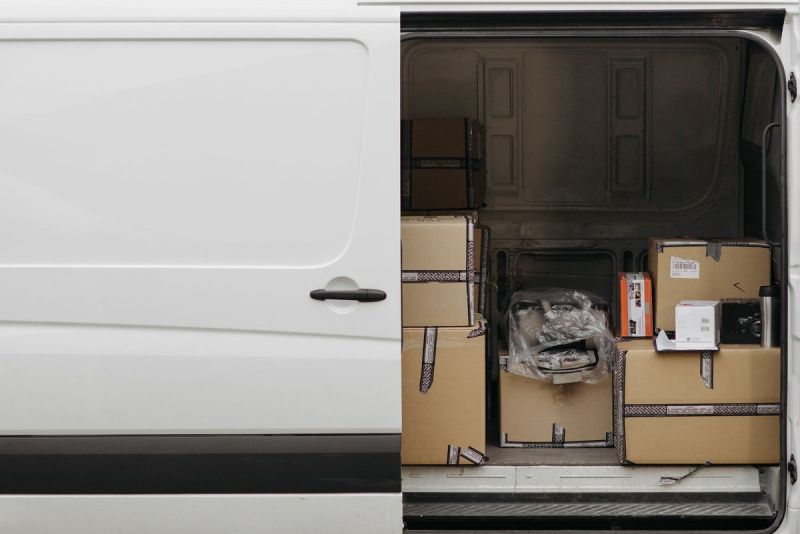
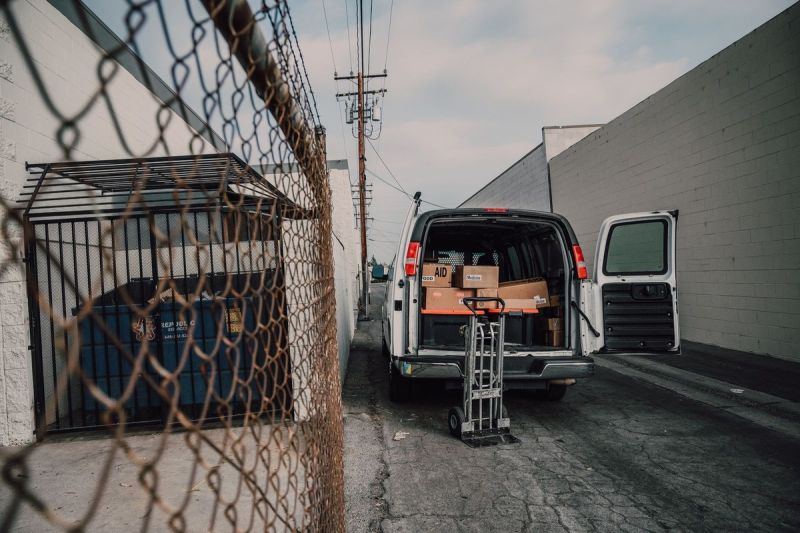
Wait and load is exactly what it sounds like. A van - typically holding 10 - 14 cubic yards, so more than a standard 8-yard skip - parks as close to your door as it can get, and instead of dropping a container and driving off, the crew waits while the waste goes in. On most jobs the team does the carrying and loading for you; on some, you have everything bagged and stacked by the kerb and the load takes 20 minutes. Either way, the van leaves full and the pavement is clear before the kettle boils twice.

If you have a pile that needs to be gone this week rather than debated for a fortnight, B's Waste Removal runs wait and load collections across Bristol - one visit, loaded and gone, with the disposal and paperwork handled for you.
The key difference from skip hire is that nothing is left on the highway. Because the vehicle is a van making a normal stop rather than a container deposited on the road, there is no skip permit to buy, no lighting or marking requirements for overnight, and no council lead time. That single fact is why the model has taken off in cities like Bristol, where an estimated 40%+ of inner-city households have no off-street parking to put a skip on in the first place.
Why Bristol Streets Suit Wait and Load
Bristol's geography was not designed with skip lorries in mind. The Victorian terraces of Bedminster, Easton, Montpelier and Totterdown run in tight rows with parked cars nose to tail on both sides, and some of the gradients are genuinely punishing - Vale Street in Totterdown is regularly cited as one of the steepest residential streets in England, at around a 22% slope. Getting a skip lorry in, levelling a container on a hill, and leaving it there for a week is somewhere between awkward and impossible on streets like these.

Then there is parking enforcement. Bristol's Residents' Parking Zones cover a wide band of the inner city, and a skip in an RPZ usually means applying to suspend a bay on top of the permit itself. Get it wrong and a Penalty Charge Notice is £70, reduced to £35 if paid within 14 days. A wait and load van sidesteps the whole system - it makes a short stop like any delivery vehicle, loads, and moves on. For most collections the van is on the street for under an hour, against a skip's typical 7 - 14 day hire.
The hills matter for another reason too. Carrying waste any distance by hand is where clearance jobs get slow and expensive, so a van that can pull up within a few metres of the front door - even briefly - beats a skip parked 40 metres downhill on the nearest flat stretch. On a loaded wheelbarrow run, those 40 metres add up fast.
What Wait and Load Costs in Bristol
Wait and load is priced like man-and-van clearance: by the volume your waste takes up in the van, with labour and disposal included. In Bristol in 2026 you can expect roughly £90 - £150 for a quarter load, £160 - £250 for a half load, and £280 - £420 for a full van of general household or renovation waste. Compare that with an 8-yard skip at £200 - £280 plus a £30 - £60 permit - and with a skip you still do every bit of the loading yourself.
Heavy materials change the sums, same as they do for any collection. Rubble, soil and tiles are charged by weight - typically £2 - £4 per sack - because mixed rubble weighs 1.2 - 1.5 tonnes per cubic metre and fills a van's payload long before it fills the space. Plasterboard is priced separately, usually £10 - £25 per sheet-equivalent, because it legally cannot go to landfill mixed with general waste.
How the Waiting Time Is Charged
Most firms build a loading window into the quote - commonly 30 - 60 minutes depending on load size - and only charge extra if the job runs well past it, at something like £20 - £40 per additional 15 minutes. That sounds like pressure, but in practice a two-person crew shifts a full van load in 40 minutes or so when the waste is accessible. The window exists to stop the van sitting outside while someone empties the loft item by item. Have everything ready and the clock never comes into it.
Wait and Load vs Skip Hire: The Practical Differences
The honest comparison comes down to how the waste is produced. A skip earns its keep on a long job that generates waste continuously for a week or more - a full renovation, a big landscaping project - because it sits there absorbing debris as you go. Wait and load wins when the waste already exists as a pile: a cleared garden, a ripped-out kitchen stacked in the hallway, a garage's worth of accumulated stuff. Around 70 - 80% of domestic clearance jobs fall into that second category, which is why skips are often the wrong default.
Where the Skip Comparison Is Covered in Detail
Price-per-yard, timing, labour and permit costs all pull in different directions depending on the job, and we have set the two options against each other properly in our full guide to skip hire versus man and van clearance in Bristol. The short version: if your street can take a skip and your job runs longer than a week, price both. If either of those is not true, wait and load is usually the cheaper and faster route.
One more difference that rarely makes the brochure: a skip is a public invitation. Councils and hire firms consistently report that open skips attract other people's waste - and once a fridge or a few tyres land in yours, you pay the surcharge for them. A wait and load van is loaded under your eye and sealed shut. What you pay for is exactly what you produced.
How to Prepare So the Collection Runs Fast
Preparation is where you control the price. Bag what can be bagged, break down flat-pack furniture, and stack everything in one accessible spot - a hallway, a front garden, a garage with the door open. A well-staged half load that might take a crew 45 minutes scattered through a house takes 20 minutes from a single pile, and on a job priced with a time window that difference is money.

Separate the special items and say so when booking. Fridges and freezers carry a degassing surcharge of £15 - £30 each, mattresses £15 - £25, and anything hazardous - old paint, chemicals, gas bottles - needs declaring in advance because it cannot ride in a general load. Springing a chest freezer on the crew mid-load slows everything and can mean a second visit. Mention it up front and it is a non-event.
Think about the stop itself, too. In an RPZ or on a narrow terrace, a word with the neighbours about keeping a car-length clear outside for an hour saves the van circling. The collection needs one van-sized space for under an hour - most streets can manage that with a day's notice.
The Legal Side: Licensed Carriers and Your Duty of Care
Whoever takes your waste away, the law says you must check them first. Under the government's guidance on your duty of care for waste, householders and businesses alike are responsible for making sure waste is passed only to an authorised carrier - and if your rubbish is later found fly-tipped, that responsibility can land back on you. Householders can be fined up to £600 by fixed penalty for duty of care failures, and fly-tipping itself carries fixed penalties of up to £1,000, with unlimited fines on conviction for serious cases.

The check takes under a minute and costs nothing: look the firm up on the Environment Agency's register of licensed waste carriers. A legitimate wait and load operator will hand over a waste transfer note without being asked and will happily quote their carrier number. England recorded over 1.1 million fly-tipping incidents in a recent year, and a good share of it started life as a cheap cash collection from an unregistered van. If a quote seems impossibly low, the tip fees are probably not being paid.
Bristol City Council's bins, recycling and waste pages cover what your kerbside collection and the city's reuse and recycling centres will take - useful for small amounts, though the household waste centres cannot take trade waste and have queues at weekends that make a paid collection look very reasonable.
When Wait and Load Is the Wrong Choice
It is not the answer to everything, and it is worth being straight about that. If a renovation will produce waste steadily for two or three weeks and you have a driveway to stand a container on, a skip or a scheduled series of collections will likely serve you better than repeated wait and load visits - each visit carries its own callout, so three small loads cost more than one big one. Similarly, heavy muck-away - tonnes of soil or hardcore from a dig-out - belongs on a grab lorry, which shifts 12 - 16 tonnes a load for £180 - £320 rather than being sacked into a van.

Wait and load earns its place on the jobs that describe most Bristol households: a defined pile of waste, a street where a skip is impractical or needs a permit, and a preference for it being gone today rather than next week. For that job, on this city's streets, it is hard to beat.
---
FAQ
Q: How much does wait and load rubbish collection cost in Bristol?
A: In 2026, wait and load collections in Bristol typically cost £90 - £150 for a quarter van load, £160 - £250 for a half load, and £280 - £420 for a full van of around 10 - 14 cubic yards, with labour and disposal included. Heavy waste like rubble is charged by weight at roughly £2 - £4 per sack, and items such as fridges (£15 - £30) and mattresses (£15 - £25) carry surcharges. Most quotes include a 30 - 60 minute loading window.
Q: Do I need a permit for wait and load like I would for a skip?
A: No. A skip left on the public highway in Bristol needs a permit arranged through Bristol City Council, typically £30 - £60, plus lights and markings overnight and possibly a suspended bay in a Residents' Parking Zone. A wait and load van makes a short stop like a delivery vehicle, loads, and leaves - usually within an hour - so no permit is needed at any point.
Q: Is wait and load cheaper than skip hire in Bristol?
A: For a one-off pile of waste, usually yes. An 8-yard skip runs £200 - £280 a week plus a permit, and you do all the loading yourself. A full wait and load van holds more than an 8-yard skip, costs £280 - £420 including labour and disposal, and is gone the same day. A skip only tends to win on long-running jobs that generate waste continuously for a week or more, where the container earns its keep sitting on site.
Q: How do I know a wait and load firm is legitimate?
A: Check them on the Environment Agency's public register of licensed waste carriers before booking - the search is free and takes under a minute. A legitimate firm quotes its carrier number readily and provides a waste transfer note. This matters because you carry a legal duty of care for your waste: if it is fly-tipped by an unlicensed collector and traced back to you, you can face a fixed penalty of up to £600 or prosecution.
---
Ready to work with B's Waste Removal?
Let's connect! We’re here to help.
Send us a message and we’ll be in touch.
Or give us a call today at 111-222-3333
Agency Contact Form
More Marketing Tips, Tricks & Tools
B's Waste Removal