Clearing a Garage or Loft Before a Conversion in Bristol: Costs and Tips
A conversion cannot start until the space is empty, and that first clear-out is the job most Bristol homeowners underestimate. Loft conversions are one of the most popular home improvements in the city - they can add around 15 - 20% to a property's value, which is why so many owners of Bristol's Victorian and Edwardian terraces choose to build up rather than move. But the average garage holds 30 - 50 items that have not been touched in a year, and a typical loft hides the equivalent of a full skip's worth of boxes, broken furniture and forgotten kit. Builders charge by the day, so a space that is not ready on start morning is money burning. This guide walks through what it costs to clear a garage or loft before a Bristol conversion in 2026, how long it takes, what needs special handling, and how to have the room genuinely empty before the first van pulls up.
Why Clearing the Space First Matters
Conversion crews price and programme their work assuming an empty, accessible space on day one. If the loft is still full of Christmas boxes or the garage is packed to the roller door, the first thing that happens is either a delay or a charge - many builders quote £200 - £400 a day, and clearing your clutter is not what you are paying skilled trades to do. Getting the space empty and swept beforehand is the cheapest single thing you can do to keep a conversion on budget.
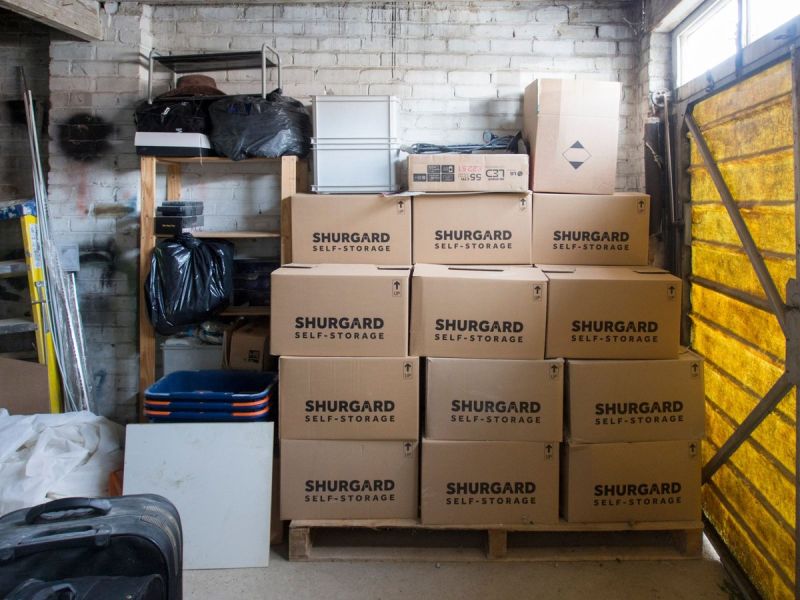
There is a practical reason to book the clearance as a separate job too. A dedicated clearance crew empties a garage or loft far faster than you shuffling boxes on weekends, and they sort what leaves for reuse, recycling and disposal rather than everything going to landfill. If you want the space cleared and swept ready for the builders, B's Waste Removal handles pre-conversion garage and loft clearances across Bristol, including the awkward-access properties the city is full of.
Timing helps as well. Book the clearance a week or two before the build start, not the day before, so there is slack if you find more than you expected - and you nearly always find more than you expected.
What a Pre-Conversion Clearance Costs in Bristol
Clearance is priced mostly by volume and labour, and in 2026 a garage or loft clear-out in Bristol broadly falls into these bands: a light quarter-van load is around £90 - £150, a half van of mixed contents £160 - £250, and a full van of roughly 10 - 12 cubic yards £280 - £420. A single garage usually lands in the £120 - £300 range, while a large, densely packed loft can push toward £350 or more once everything is down and loaded.
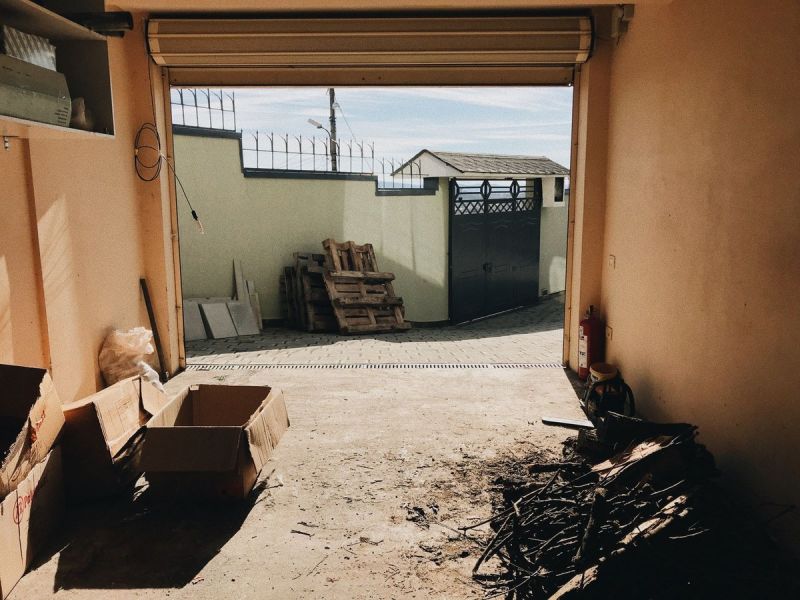
Two things move the price. The first is volume - a double garage that has swallowed a decade of DIY surplus takes more van space than a tidy single. The second is access, which in a loft is everything: carrying items down a narrow hatch and a steep ladder is slower and more labour-intensive than wheeling them out of a ground-floor garage, so the same volume can cost 20 - 30% more from a loft than a garage.
What Pushes the Price Up
A few specifics reliably add to the bill. Heavy items - old flagstones stored in a garage, a defunct chest freezer, a cast-iron bath waiting to go - are priced by weight, not just space. Fridges and freezers must be handled under WEEE rules and typically carry a £15 - £30 surcharge each because their refrigerant gases have to be extracted before recycling. And if a loft has no proper ladder or a tiny hatch, the extra time spent passing everything down by hand shows up in the quote.
What You'll Typically Find - and What Needs Special Disposal
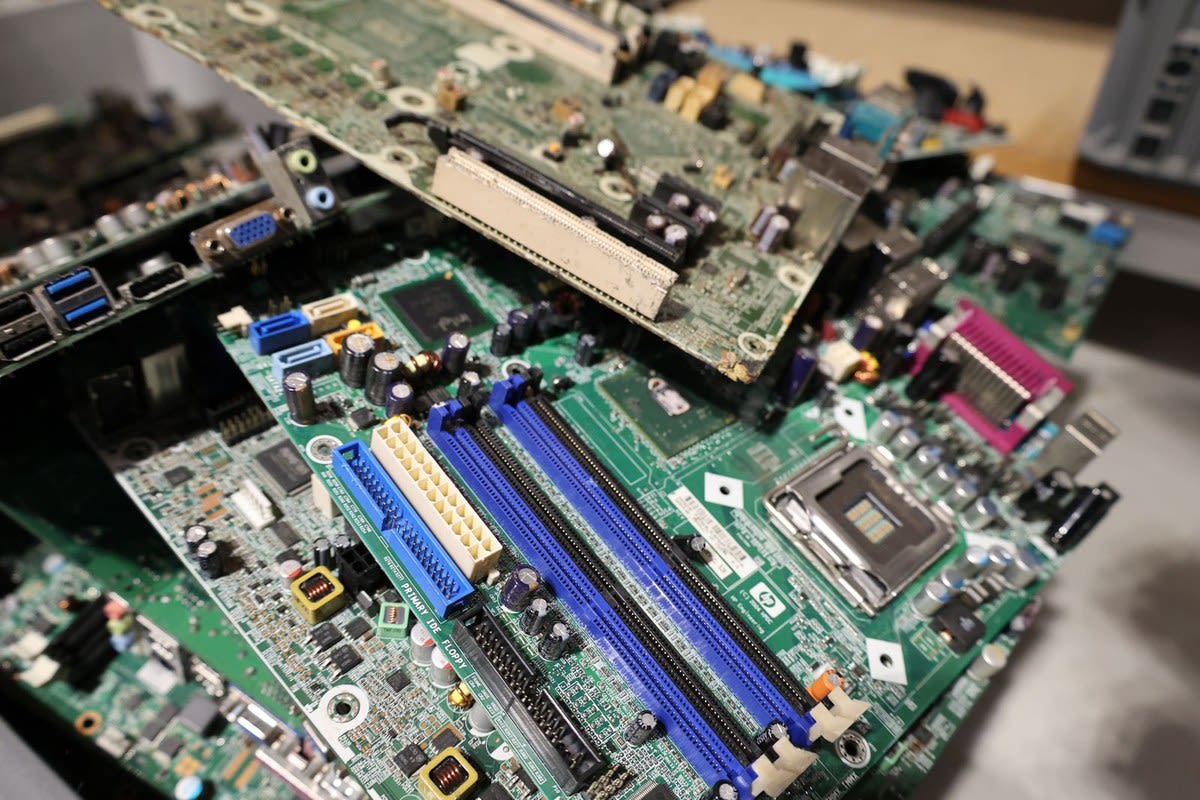
Garages and lofts are where Bristol households park the things they cannot decide about, so the contents follow a familiar pattern. Garages tend to hold DIY materials, power tools, garden equipment, old bikes, tins of dried-up paint, oil and garden chemicals. Lofts hold soft furnishings, suitcases, outgrown children's kit, old electricals and boxes of paperwork - often damp, because Bristol's wet climate and poorly ventilated roof spaces are a bad combination.

Some of it cannot simply go in the van. Paint tins, motor oil, solvents and garden pesticides are classed as hazardous household waste and are banned from a standard mixed load - Bristol City Council runs free household hazardous waste drop-off points for exactly these items, and the routes are listed on the council's bins and recycling pages. Electrical items fall under WEEE rules, and gas bottles - common in garages - need specialist handling and cannot go in a general clearance. Flagging these before the crew arrives keeps the main job moving.
Save the Value Before It Goes in the Van
Before you book, pull out anything with resale or reuse value, because once it is on the van it is gone. Working power tools, rideable bikes, and solid furniture all have a ready market in Bristol, and usable furniture can go to a reuse charity rather than to waste. A good clearance company diverts what it can anyway, but the highest-value items are worth separating yourself. We go into the room-by-room detail in our guide to loft clearance in Bristol, and the same principle applies to a garage: sort before you clear, and recover the value while you still can.
Access, Terraces and Parking in Bristol
Bristol's housing makes clearances harder than the national picture, and a pre-conversion job is no exception. More than 30% of the city's homes were built before 1919, and those terraces in Totterdown, Easton, St George and Bishopston often have loft hatches sized for a person and not much else, steep stairs, and no rear vehicle access - so everything comes out through the front of the house.
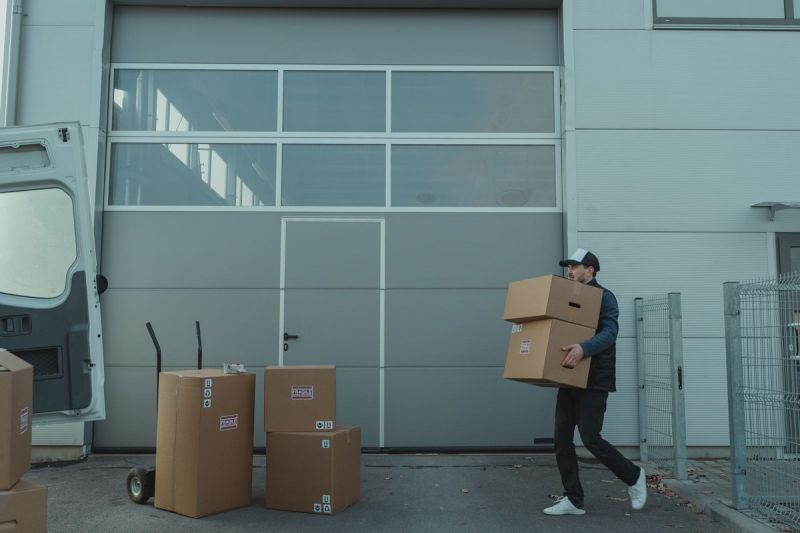
Parking is the other Bristol tax. Large parts of the inner city sit inside Residents' Parking Zones, and a clearance van needs to get within carrying distance of the load. A Penalty Charge Notice is £70, halved to £35 if paid within 14 days, so a crew either needs a permit or a tight, legal window. On a steep street in Windmill Hill or a narrow one in Montpelier, the carry to the van is longer and the job takes more time - which is why the same loft can cost a little more to clear in the inner city than out in Bradley Stoke or Bishopsworth.
How Disposal and Recycling Works
A clearance is not the same as tipping everything, and it should not be priced as if it were. A responsible crew sorts what comes out: furniture and household goods in usable condition go to reuse where possible, metals go to scrap, WEEE electricals are handled under their own rules, and only what genuinely cannot be recovered goes to licensed disposal. On a mixed garage and loft clear-out, 60 - 80% of the material can usually be diverted from landfill once it is sorted properly.

There is a compliance side worth knowing about even for a domestic clear-out. As the person getting rid of the waste you hold a household duty of care - the government's guidance on your household waste duty of care sets out that you must pass your waste only to someone authorised to carry it. The simple protection is to check the firm is a registered waste carrier on the Environment Agency's public register of waste carriers, brokers and dealers and to ask for a waste transfer note. If a cheap operator fly-tips your old paint tins and furniture and it is traced back to you, the fine can reach £600 - so the two-minute check is worth it.
How to Have the Space Ready for the Builders
The goal is a genuinely empty, swept space on start morning, not a half-cleared one with "just a few boxes" left in the corner. Book the clearance a week ahead, sort out the hazardous items and anything worth keeping first, and confirm access so the crew can park and carry without surprises. A garage that still has shelving fixed to the walls or a loft with boarding the builders need lifted should be flagged, because those are jobs in their own right.
A little prep saves money on the day. Bag up light loose items, move anything you are keeping into the house, and clear the route from the space to the street. Mid-week and mid-month slots are usually easier to book than weekends and month-end, when clearance and removal work bunches up around tenancy changes. Get all of that right and the builders walk into an empty room on day one - which is exactly what you are paying them to work in, not to clear.
---
FAQ
Q: How much does it cost to clear a garage or loft before a conversion in Bristol?
A: In 2026, a single garage clearance in Bristol typically costs £120 - £300, and a large packed loft can reach £350 or more once everything is brought down and loaded. Pricing follows van space and labour: roughly £90 - £150 for a light quarter-van load, £160 - £250 for a half van, and £280 - £420 for a full van. Loft clearances often cost 20 - 30% more than a garage of the same volume because of the narrow-hatch, steep-ladder access.
Q: How long before the build should I clear the space?
A: Book the clearance about one to two weeks before the conversion start date, not the day before. That leaves slack if you uncover more than expected - which is common - and time to deal with hazardous items or fixed shelving separately. Builders typically charge £200 - £400 a day, so a space that is not empty and swept on start morning risks a delay or a charge for work you did not intend to pay skilled trades to do.
Q: What items from a garage or loft need special disposal?
A: Paint, solvents, motor oil and garden chemicals are hazardous household waste and cannot go in a standard clearance load - Bristol City Council runs free household hazardous waste drop-off points for them. Fridges and freezers are handled under WEEE rules and usually carry a £15 - £30 surcharge because refrigerant gases must be extracted first. Gas bottles need specialist handling too. Flag these before the crew arrives so the main clearance is not held up.
Q: Do I need to check the company clearing my garage or loft?
A: Yes. As the waste producer you hold a household duty of care, so you should check the firm is a registered waste carrier on the Environment Agency's public register and ask for a waste transfer note. If your waste is fly-tipped by an unlicensed operator and traced back to you, you can be fined up to £600 even though you did not dump it. A legitimate clearance company provides its licence number and a transfer note without being asked.
---
Ready to work with B's Waste Removal?
Let's connect! We’re here to help.
Send us a message and we’ll be in touch.
Or give us a call today at 111-222-3333
Agency Contact Form
More Marketing Tips, Tricks & Tools
B's Waste Removal