Carpet and Flooring Disposal in Bristol: Costs and Where It Goes
Pull up an old carpet and you quickly discover the awkward truth: it's bulky, heavy, and one of the hardest household items to get rid of properly. A single room's worth of carpet and underlay can weigh 30 - 50kg once it's rolled, and the UK throws away around 400,000 tonnes of carpet every year - the vast majority of it heading to landfill or incineration rather than recycling. In Bristol, disposing of flooring waste typically costs £70 - £200 depending on volume and type, and it's a job that catches people out because carpet won't fit in a wheelie bin and most of it can't be recycled kerbside. This guide covers what carpet and flooring disposal costs in Bristol, the real reasons carpet is so tricky, where your old floor genuinely ends up, and how to make sure it's taken away legally rather than dumped down a country lane.
What Carpet and Flooring Disposal Costs in Bristol
Flooring disposal is priced by volume and weight, because that's what fills a van and what the transfer station charges for. As a rough Bristol guide:
One room of carpet and underlay: £70 - £110.
Two to three rooms: £110 - £180.
Whole-house carpet strip-out: £180 - £320.
Laminate or engineered wood (one to two rooms): £90 - £160.
Ceramic or stone tiles (heavy, priced up): £120 - £250 per room, as tiles are dense.
Tiles and stone cost more than they look because weight, not just volume, drives the price - a small pile of broken floor tiles can weigh more than a whole room of carpet. If you're not sure which bracket your job falls into, B's Waste Removal can give you a quick figure from a couple of photos rather than a guess over the phone.
Doing It Yourself at the Tip
Bristol City Council runs Household Reuse and Recycling Centres at Avonmouth and St Philip's, and you can take carpet there yourself for free as a resident. But you'll need a van or a large estate, carpet cut into manageable rolls, and often a booking slot - and vans and trailers need a permit at Bristol's sites. For most people, the saving on a one-room job disappears once you factor in van hire and a Saturday morning spent queueing.
Why Carpet Is So Hard to Recycle
Carpet is a genuine recycling headache, and it's worth understanding why. Most modern carpet is a laminate of different materials - a nylon or polypropylene pile bonded to a polypropylene backing, often with a latex or bitumen layer and a separate foam underlay. Separating those layers cleanly is difficult and expensive, which is why only around 2 - 3% of UK carpet is currently recycled into new products.
The rest is either landfilled or sent to energy-from-waste incineration. Synthetic carpet doesn't biodegrade, so in landfill it essentially sits there indefinitely, which is exactly why the industry is under pressure to improve. Wool carpet is more recyclable and can even be composted or shredded for insulation, but it makes up a small slice of what comes out of the average Bristol home.
Underlay and Grippers
Underlay is a separate problem. Old foam and rubber underlay is rarely recyclable and usually goes for energy recovery. The wooden gripper rods around the edge of the room, studded with nails, are classed as general waste and need bagging carefully so no one gets a nail through their hand. A good clearance crew separates these out as they lift, rather than bundling everything into one hazardous roll.
Where Your Old Flooring Actually Ends Up
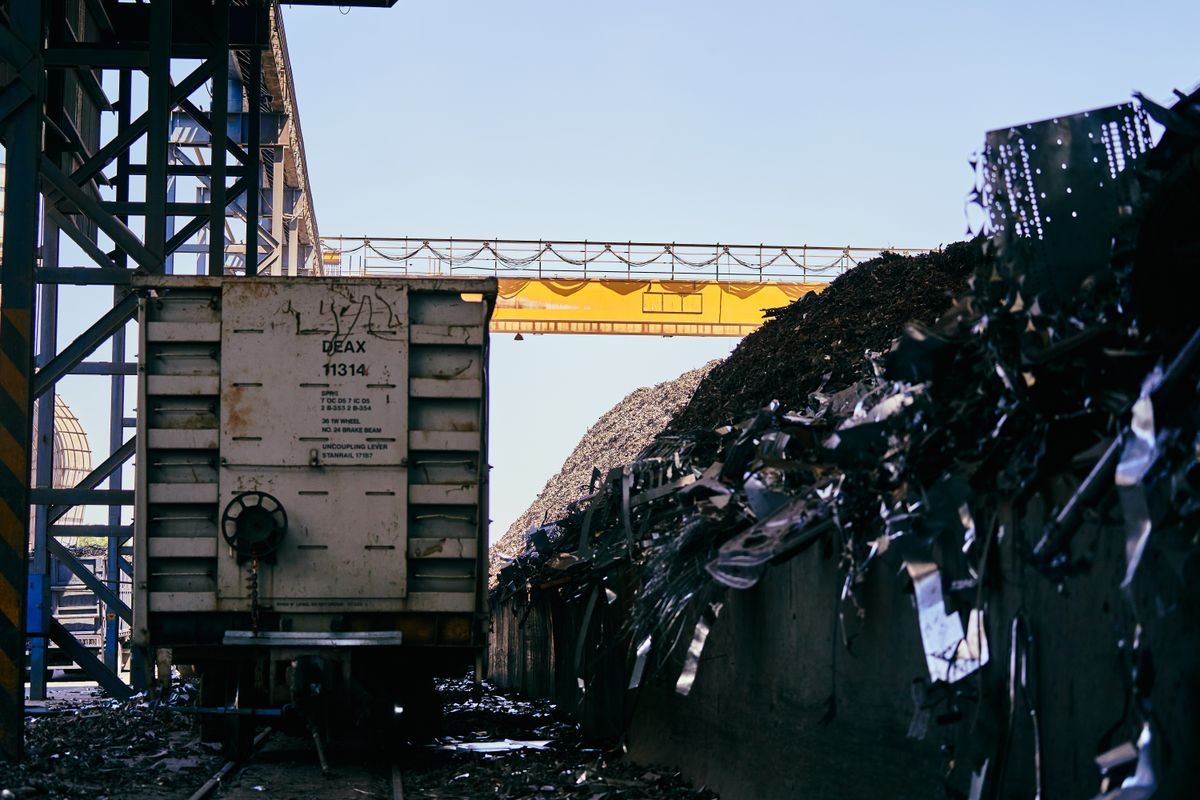
Once a licensed operator takes your flooring, it goes to a waste transfer station - in Bristol, sites around Avonmouth and St Philip's handle much of the city's bulky waste. There it's sorted. Clean, reusable offcuts and good-condition carpet tiles can occasionally be passed on for reuse, but most domestic carpet is too worn for that.
From the transfer station, the streams split. Recyclable elements - clean hardcore from tiles, wood from solid flooring, metal from gripper rods - are separated and sent for recycling, with construction and demolition waste recycling rates in the UK sitting around 90% for the recoverable fraction. The synthetic carpet and mixed underlay that can't be recycled goes to energy-from-waste facilities, which is why disposing of it responsibly still matters even when true recycling isn't possible - energy recovery beats landfill on carbon.
Different Flooring, Different Disposal Routes
Not all flooring is treated the same, and knowing the difference helps you understand your quote:
- Carpet and underlay - bulky, mostly non-recyclable, energy recovery or landfill.
- Laminate - a fibreboard core with a printed layer; the wood fraction can be recycled, but the plastic wear layer complicates it.
- Engineered and solid wood - genuinely recyclable and often reused; the cleanest stream.
- Vinyl and LVT - plastic-based, difficult to recycle, usually energy recovery.
- Ceramic and stone tiles - inert, heavy, crushed and recycled as hardcore for construction.
The mix matters because a whole-house strip-out combining carpet upstairs, tiles in the kitchen, and laminate in the hall needs sorting into these streams. A crew that separates on site keeps more out of landfill and, on bigger jobs, can sometimes keep the cost down by recycling the heavy inert fraction cheaply.
Bristol Specifics: Terraces, Access and Parking
Bristol's housing makes flooring removal its own small challenge. In the city's Victorian and Edwardian terraces - and around 30% of Bristol homes predate 1919 - carpet often comes up to reveal original floorboards people want to keep, so the crew works carefully to lift carpet and grippers without damaging the boards beneath. Narrow hallways and tight staircases in areas like Totterdown, Southville, and St Andrews mean rolled carpet has to be manoeuvred rather than dragged.
Parking is the other factor. Much of central Bristol falls under Residents' Parking Zones, so a van carrying rolled carpet often can't park directly outside, adding a carry from wherever a loading spot can be found. Bristol City Council publishes its rules on its parking permits and restrictions pages, and a local crew plans loading around these zones rather than risking a £70 Penalty Charge Notice mid-job.
Staying Legal: Your Duty of Care on Flooring Waste
Old flooring is household waste, and the law treats you as its producer. Under the government's guidance on your household waste duty of care, you must take reasonable steps to check that whoever removes it is authorised to carry waste. If a cheap operator takes your carpet and fly-tips it in the Somerset countryside, the trail can lead back to you, and the fine can be substantial.
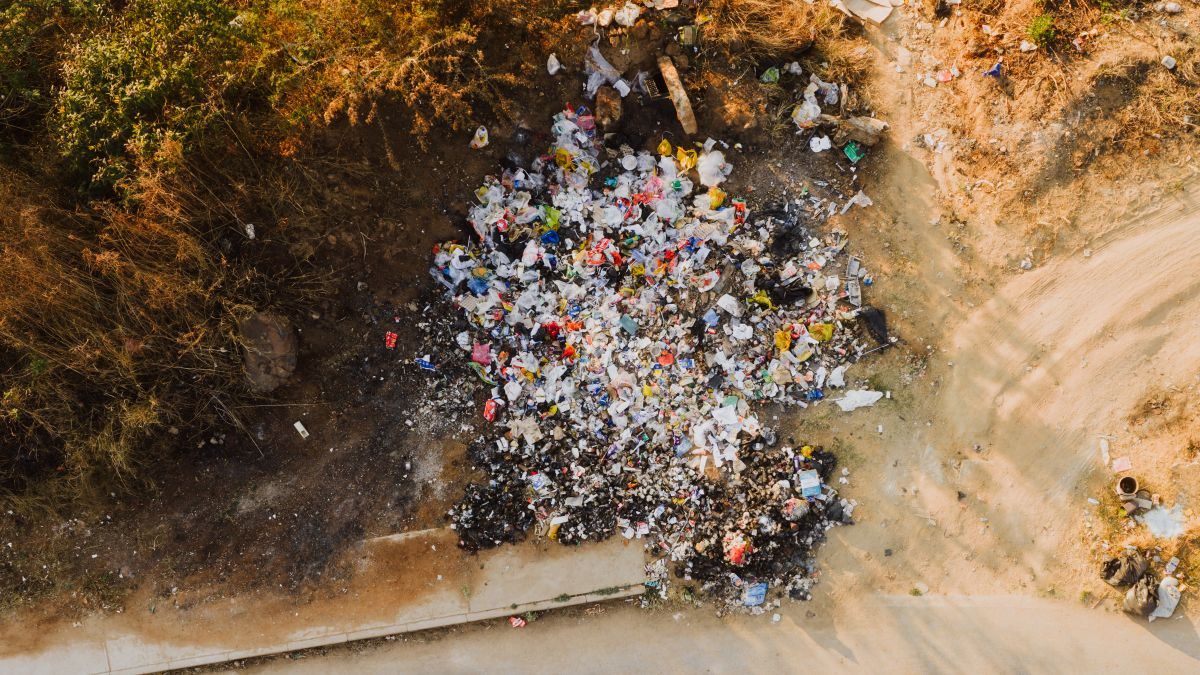
The safeguard is quick. Anyone carrying waste for money must be registered, and you can confirm a firm's licence on the Environment Agency's public register of waste carriers before they take anything. Ask for a waste transfer note as well - a legitimate operator provides one without being asked. Fly-tipping is a real problem locally: England recorded over 1.1 million fly-tipping incidents in a single recent year, and bulky items like carpet and flooring are among the most commonly dumped, so a rock-bottom cash quote with no paperwork is rarely the bargain it seems.
---
FAQ
Q: How much does it cost to dispose of carpet in Bristol?
A: Flooring disposal is priced by volume and weight. One room of carpet and underlay typically costs £70 - £110, two to three rooms £110 - £180, and a whole-house strip-out £180 - £320. Heavy materials like ceramic or stone tiles cost more - around £120 - £250 per room - because weight drives the price.
Q: Can old carpet be recycled?
A: Only a small share can. Around 2 - 3% of UK carpet is recycled into new products, because most is a bonded mix of nylon, polypropylene, latex and foam that's hard to separate. The rest goes to energy-from-waste or landfill. Wool carpet is more recyclable and can be shredded for insulation.
Q: Where does my old flooring end up after it's taken away?
A: It goes to a waste transfer station - in Bristol, sites around Avonmouth and St Philip's - where it's sorted. Recyclable elements like wood, metal grippers and crushed tile hardcore are recycled, while synthetic carpet and mixed underlay that can't be recycled go to energy-from-waste facilities rather than landfill.
Q: Do I need to check the firm removing my flooring is licensed?
A: Yes. Old flooring is household waste and you hold the legal duty of care for it. Check the firm is on the Environment Agency's public register of waste carriers and ask for a waste transfer note before they load. If an unlicensed operator fly-tips your waste, you can be fined too.
---
Ready to work with B's Waste Removal?
Let's connect! We’re here to help.
Send us a message and we’ll be in touch.
Or give us a call today at 111-222-3333
Agency Contact Form
More Marketing Tips, Tricks & Tools
B's Waste Removal