Shop and Restaurant Clearance in Bristol: Costs and What's Involved
When a lease ends, a concept changes hands, or a fit-out finally gets replaced, someone has to strip the unit back. It is a very different job from a house clearance: shopfittings are bolted, glued and wired in, commercial kitchens carry refrigerant and grease, and the clock is usually a lease date rather than a preference. In Bristol, a small retail strip-out typically costs £450 - £900, while a restaurant with a full commercial kitchen usually lands between £2,000 and £5,000 once the equipment, extraction and fixtures are counted. Bristol has somewhere north of 25,000 active businesses and a dense independent trading scene along Gloucester Road, East Street and the Old City, so units change hands constantly. Get the clearance wrong and you face two bills: the dilapidations claim from your landlord, and a duty of care penalty from the regulator. Here's how it actually works.
What a Shop or Restaurant Clearance Costs in Bristol
Commercial clearance is priced on volume, labour and difficulty rather than floor area alone, but floor area is the quickest sanity check. As a 2026 guide for Bristol:
Small retail unit (up to around 50 sq m): £450 - £900.
Cafe, takeaway or medium shop (50 - 120 sq m): £900 - £2,000.
Restaurant with a commercial kitchen (120 - 250 sq m): £2,000 - £5,000.
Large unit or full fit-out strip back to shell: £5,000 - £12,000.
Labour usually works out at £30 - £40 an hour per operative, and out-of-hours or overnight work carries a 20 - 40% premium because crews are paid accordingly. If you want a fixed figure rather than a range, B's Waste Removal will walk the unit and quote on what's actually there, which is far more reliable than pricing off a floor plan.
Why Two Similar Units Quote Differently
Access does most of the damage to a quote. A ground-floor unit with a rear service yard is a straightforward day's work. The same unit with a first-floor storeroom, a spiral stair, and kerbside-only loading on a bus route can take twice as long for identical contents. Expect access issues to swing a commercial quote by 30 - 50%.
What's Actually Inside a Retail or Hospitality Strip-Out
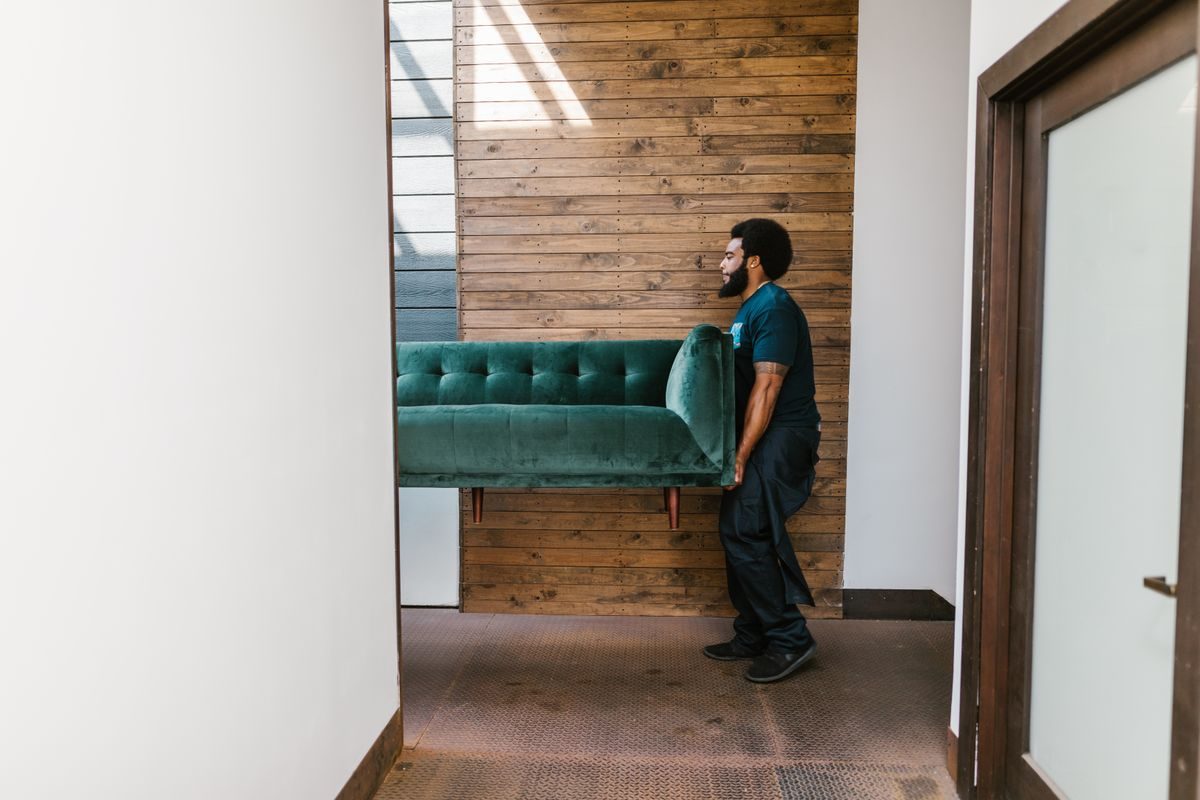
Retail is mostly volume rather than weight: shelving and gondola units, counters, display cabinets, mannequins, signage, lighting tracks, flooring, and the mountain of stockroom packaging nobody dealt with. A typical clothing shop generates 3 - 6 van loads. It looks like a lot, but it dismantles quickly and around 60 - 70% of it is recyclable timber, cardboard and metal.
Hospitality is heavier and slower. Fixed seating, bar structures, tiled counters, walk-in chillers, extraction canopies and stainless steel prep lines all have to be unbolted rather than lifted. A single walk-in cold room panel can weigh 30 - 50kg, and a full extraction canopy run often needs two people and a working platform.
Commercial Kitchens Are Where the Money Goes
Anything containing refrigerant - chillers, freezers, ice machines, cellar cooling - has to be degassed by a certified engineer before disposal, usually £60 - £120 per unit, and that step is not optional. Grease-laden ductwork and filters count as contaminated waste and cost more to dispose of than clean metal. Gas and electrical connections need isolating by a competent person before anything is cut. Budget a full day for the kitchen alone on a mid-sized restaurant.
It's Trade Waste, Not Household Waste, and That Changes Everything
This is the single most common misunderstanding. Anything produced by a business is commercial waste, which means it cannot go in a household bin, cannot go to a household recycling centre, and cannot be taken away by an unregistered van. Businesses carry a stricter version of the duty of care than householders do, set out in the government's guidance on the waste duty of care for businesses.
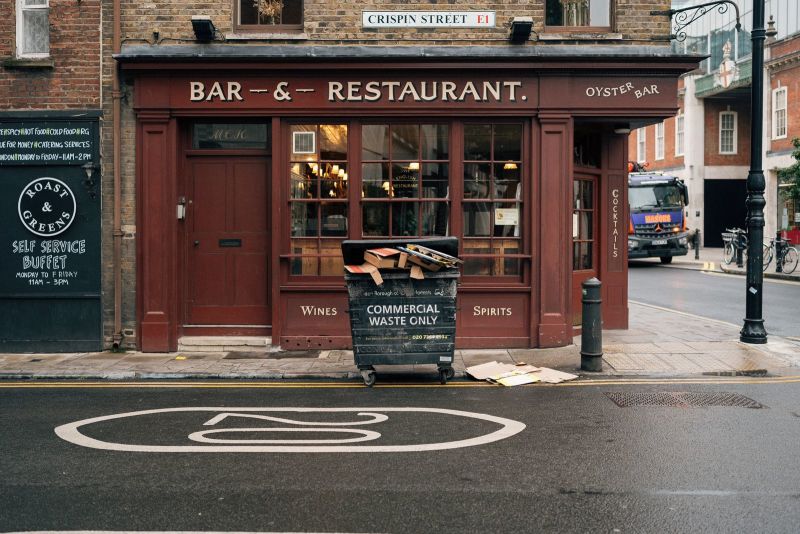
In practice that means three things: your waste must be stored securely before collection, transferred only to an authorised carrier, and described accurately on paperwork. Breaching the duty of care can bring an unlimited fine on conviction, and fixed penalty notices for fly-tipping now reach £1,000. A cheap cash job that ends with your fit-out in a lane off Feeder Road is traceable straight back to the business named on the paperwork inside it.
The Paperwork You Have to Keep
Every commercial collection should come with a waste transfer note describing the waste and identifying both parties, and you must keep those records for two years - three years for hazardous waste consignment notes. Check your contractor's registration on the Environment Agency's public register of waste carriers and brokers before they load anything. We go into the compliance side in more depth in our guide to commercial and trade waste clearance in Bristol, and the same rules apply whether it's one load or twenty.
Lease Obligations: Dilapidations and Handing Back a Shell
Most commercial leases require the tenant to reinstate the unit at the end of the term, which usually means removing tenant fit-out and handing back a bare, clean shell. Miss that and the landlord serves a schedule of dilapidations and does the work themselves at a price you don't control. Landlord-managed reinstatement commonly costs 30 - 60% more than organising it yourself, plus loss of rent while it happens.
Read the lease before you book anything, because the scope hides there. Common obligations include removing all signage and shopfront branding, taking out non-standard partitions, capping services back to the landlord's supply points, lifting tenant flooring, and making good the walls and ceiling. Photograph the unit as it is handed back, on the day, with the date visible. That evidence has settled more dilapidations arguments than any amount of arguing afterwards.
Access, Parking and the Clean Air Zone on Bristol's High Streets
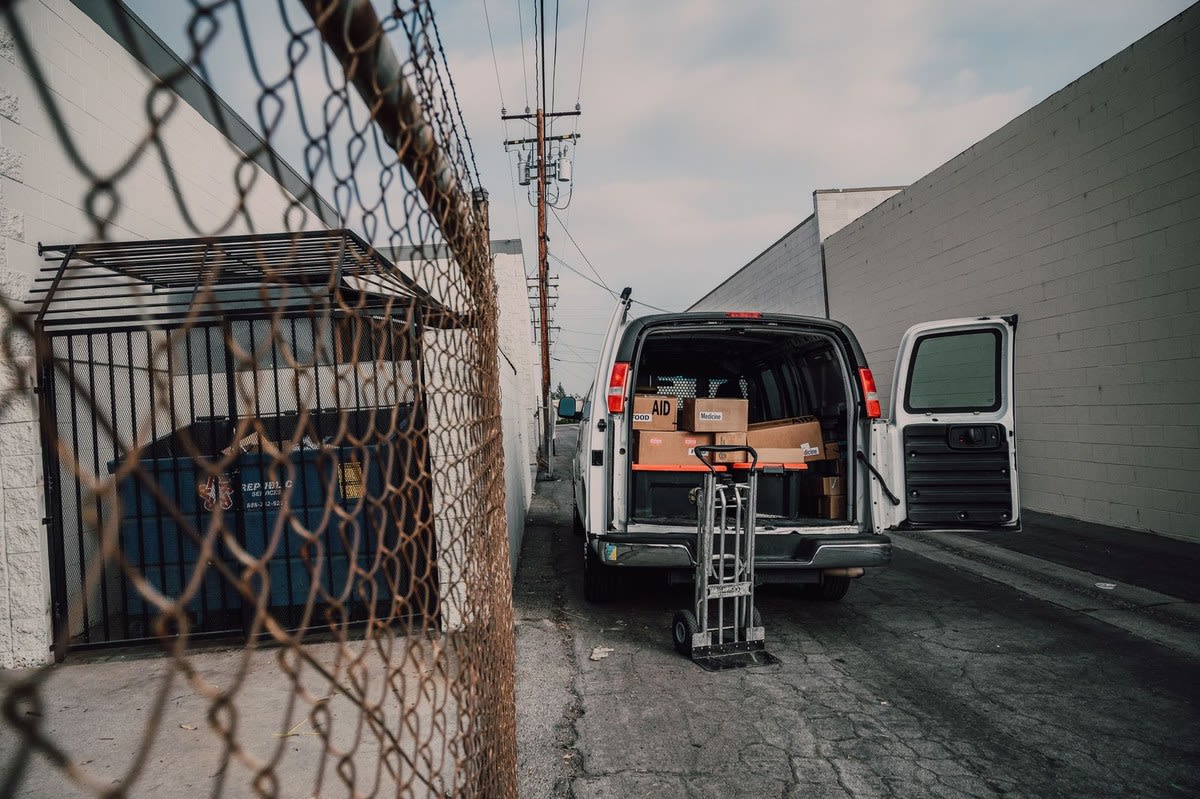
Bristol's trading streets were not designed for a 3.5 tonne van sitting still for six hours. Loading bays on busy stretches like Park Street, Gloucester Road and Whiteladies Road are time-limited, and central units frequently sit inside Residents' Parking Zones where a Penalty Charge Notice is £70, halved to £35 if paid within 14 days. A crew that plans loading windows around restriction times avoids that entirely.
Bristol's Clean Air Zone is the other line item. Non-compliant vans and light goods vehicles are charged £9 a day and non-compliant HGVs £100 a day, which is worth checking before you accept a quote that looks suspiciously low. Ask whether the contractor's fleet is compliant, because if it isn't, that charge finds its way onto your invoice one way or another.
Timing Around Trading Hours
If the unit next door is still open, or you're stripping out between tenancies in a parade, noise and pedestrian flow matter. Most retail clearances take one to three days, and early starts (7am to 10am) shift the bulk of the loading before the street gets busy. Overnight work costs more but can be the difference between one day and three.
Listed Buildings, Conservation Areas and Shopfronts
A large slice of Bristol's commercial stock sits in conservation areas or in listed buildings, particularly around Clifton, the Old City and King Street. That has a direct effect on a strip-out: removing or altering a historic shopfront, external signage, or original internal features can require listed building consent or planning permission, and doing it without consent is a criminal offence rather than a paperwork slip.

The safe rule is simple. Internal, modern, tenant-installed fit-out is normally fine to remove. Anything original, external, or structural needs checking first. Bristol City Council sets out the process on its planning and building regulations pages, and a five-minute check beats an enforcement notice landing after the shopfront is already in the back of a van.
What Gets Reused, Resold or Recycled
A good commercial clearance is not just a trip to the tip. Stainless steel prep tables, sinks and shelving carry real scrap value, and on a full restaurant strip-out metals can offset 5 - 10% of the total bill. Serviceable catering equipment is worth more again: a working combi oven, under-counter fridge or espresso machine can hold 20 - 30% of its original value on the second-hand market, and reputable clearance firms will factor resale into the quote rather than pocketing it quietly.
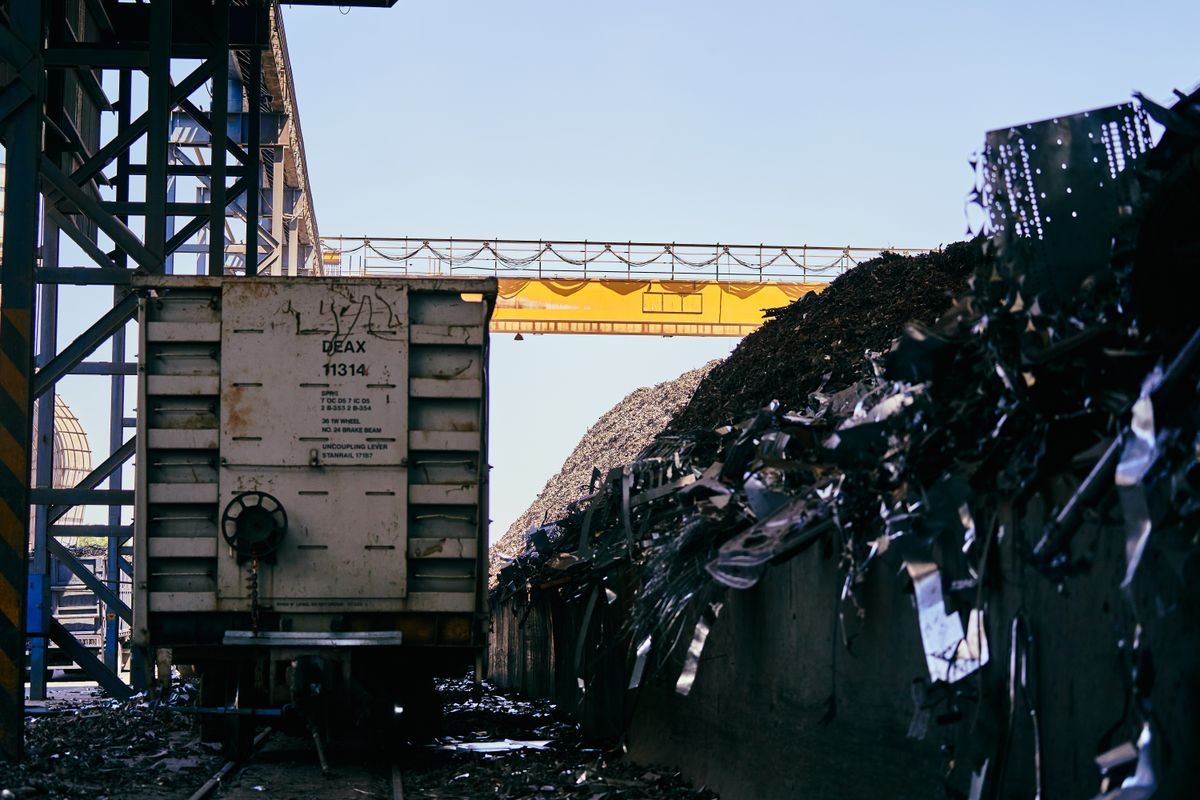
The rest is sorted at a licensed transfer station into timber, metals, cardboard, plasterboard, and general residual waste. A well-run commercial clearance diverts 70 - 90% of the load from landfill. Electrical items fall under business WEEE rules and must be handled separately, which is another reason mixed skips full of unsorted fit-out are the most expensive way to do this.
How to Keep the Cost Down and the Timeline Tight
Book the survey early. The most expensive clearances are the ones arranged three days before the keys are due, because you lose every option to plan around access, parking and out-of-hours rates.
A few things that genuinely move the number:
- Sell or return equipment first - a fortnight's lead time is usually enough to place decent catering kit.
- Sort what you can in advance - separated cardboard and clean metal cost less to process than a mixed load.
- Confirm what the lease actually requires - people routinely strip out more than they have to, or less, and both are expensive.
- Get the degassing booked ahead - waiting on an F-gas engineer on the day stalls the whole crew.
- Combine visits - one larger job beats three small ones, often by 25 - 40% on the total.
---
FAQ
Q: How much does it cost to clear a shop or restaurant in Bristol?
A: A small retail unit up to around 50 sq m typically costs £450 - £900, a cafe or medium shop £900 - £2,000, and a restaurant with a commercial kitchen £2,000 - £5,000. A full strip back to shell on a large unit can run £5,000 - £12,000. Access is the biggest variable and can move a quote by 30 - 50%.
Q: Can I put shop or restaurant waste in a household bin or take it to the tip?
A: No. Anything a business produces is commercial waste, so it cannot go in household bins or to a household recycling centre. It must go to an authorised waste carrier with a waste transfer note, and you must keep those records for two years, or three years for hazardous waste.
Q: What does my lease make me remove at the end of a tenancy?
A: Most commercial leases require reinstatement to a bare shell, which usually means removing signage, tenant partitions, fit-out and flooring, and capping services back to the landlord's supply points. If you leave it, the landlord serves a schedule of dilapidations and does the work at a price you don't control, commonly 30 - 60% more than arranging it yourself.
Q: Do I need permission to remove a shopfront in Bristol?
A: Possibly. Much of Bristol's commercial stock sits in conservation areas or listed buildings, particularly around Clifton, the Old City and King Street, and altering a historic shopfront or external signage can need listed building consent or planning permission. Modern internal tenant fit-out is normally fine to remove. Check with Bristol City Council before touching anything original or external.
---
Ready to work with B's Waste Removal?
Let's connect! We’re here to help.
Send us a message and we’ll be in touch.
Or give us a call today at 111-222-3333
Agency Contact Form
More Marketing Tips, Tricks & Tools
B's Waste Removal