Garden Shed Demolition and Removal in Bristol: Costs and What's Involved
Taking down a garden shed sounds like a Saturday job until you're actually stood in front of one with a claw hammer. An old timber shed is heavier, more stubborn, and more full of surprises than it looks, and once it's in pieces you still have to get roughly a tonne of splintered wood, felt, and rusted fixings off the property and legally disposed of. In Bristol, a straightforward shed demolition and removal typically runs £150 - £400, rising to £500 or more if there's a concrete base to break up or an asbestos-cement roof involved. Around 30% of the city's housing predates 1919, which means a lot of long, narrow terrace gardens with side-return access barely wider than a wheelbarrow. Add Bristol's hills and residents' parking zones and a two-hour job can stretch to half a day. Here's what demolishing and removing a shed actually involves, and what to budget.
What Shed Demolition and Removal Actually Involves
Demolition and removal is a different job from a shed clearance. A clearance empties the contents out of a shed you're keeping. Demolition takes the structure itself down to nothing and hauls the material away, so you're left with a clear, flat patch of garden. Most people booking this want the space back for a patio, an extension, a new build, or just to stop an eyesore rotting quietly in the corner. If you want a quote before you commit, B's Waste Removal will price a shed demolition over the phone once they know the size, the material, and how tight the access is.
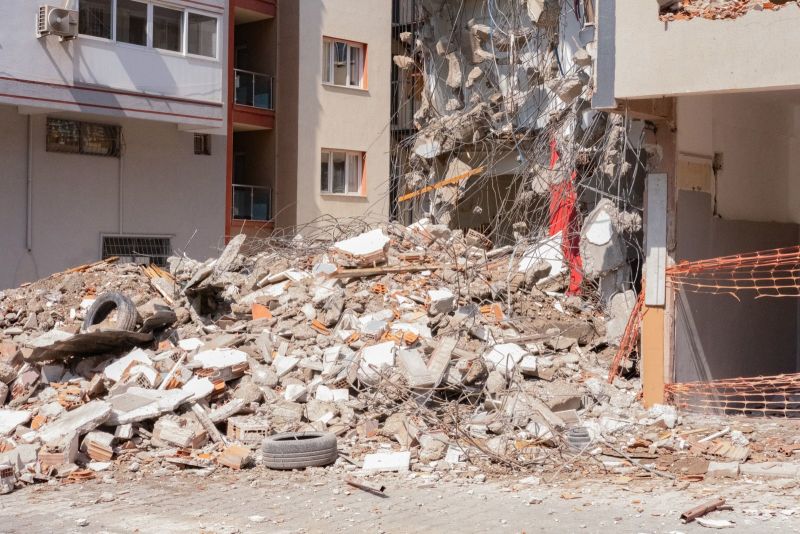
The work runs in a fixed order: strip any remaining contents, take the roof covering off, remove the roof panels, drop the four wall sections, lift the floor, and deal with the base. A standard 6ft by 8ft timber shed comes apart in around 60 - 90 minutes with two people. A rotten one can be quicker, because half of it is already giving way, though rot brings its own mess and hidden nails.
Timber, Metal, and the Awkward Ones
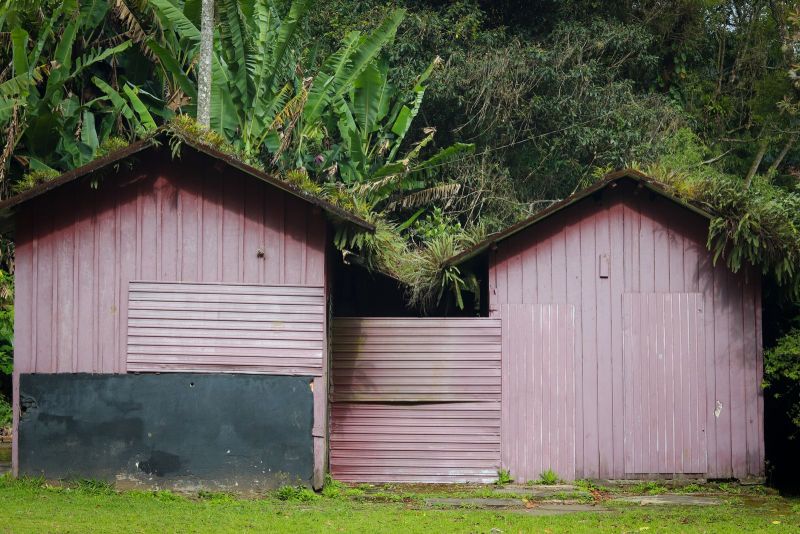
Not all sheds fight back the same way. A basic overlap timber shed is the friendliest thing to demolish, coming apart at the screwed frame joints and stacking flat. A metal shed is bolted together and unbolts cleanly, though the panel edges are sharp enough to need gloves and care. The awkward cases are the ones that have been "improved" over the years - felt nailed on in six layers, walls bolted to a slab, or a lean-to bodged onto a boundary wall.
Concrete-Sectional and Brick Outbuildings
Concrete-sectional sheds, the grey panel type common in older Bristol gardens, are heavy and each panel can weigh 40 - 60kg, so they need two people per section and get costed higher. A brick or blockwork outbuilding is a demolition job in its own right, generating 1 - 3 tonnes of rubble, and usually needs a separate quote plus a grab or tipper run to shift the masonry.
The Base Is the Part People Forget
Nine times out of ten the quote goes up because of what's under the shed. A timber shed sitting on paving slabs or a timber frame is easy, the slabs lift and go. A shed poured onto a solid concrete pad is another matter. Breaking up and removing a concrete base is the single biggest hidden cost, typically adding £150 - £350 depending on thickness, and a 4-inch pad over 48 square feet produces close to a tonne of broken concrete on its own.
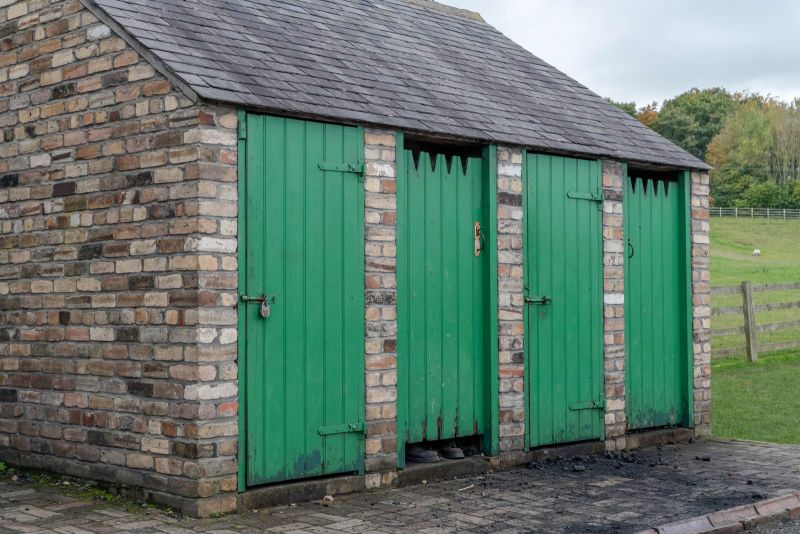
If you're planning to build on the spot, it's worth deciding early whether the base stays or goes. Leaving a sound concrete pad can save money if it suits the next project. If it has to come out, factor in that concrete is heavy, and disposal is charged by weight, not volume, so it behaves nothing like the light timber above it.
What Happens to the Material Once It's Down
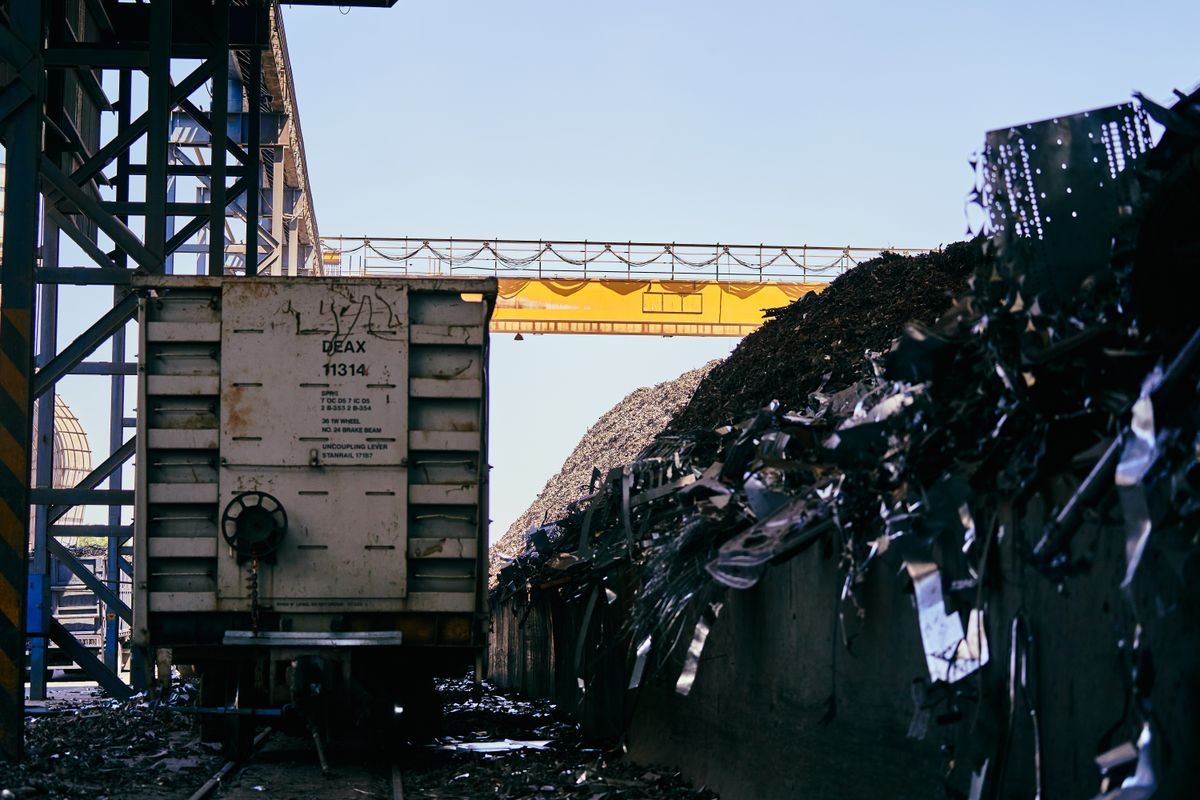
A demolished shed sorts into a few clear streams. Sound timber gets set aside for reuse, and there's genuine local demand for it - Bristol's community groups and Freecycle listings regularly have people after old fence and shed timber for raised beds and log stores. Rotten or painted timber goes as general waste. Metal panels and the rusted fixings go to scrap. Felt and roofing membrane, being a bonded mix of bitumen and fibre, is general waste and can't be recycled cleanly.
A responsible operator will divert as much as possible from landfill, partly because it's the right thing and partly because landfill tax now sits above £120 a tonne at the standard rate, so tipping mixed waste is expensive. That's also why a suspiciously cheap quote should make you pause - the numbers only work if someone is cutting a corner on disposal.
The Asbestos Problem in Older Bristol Sheds
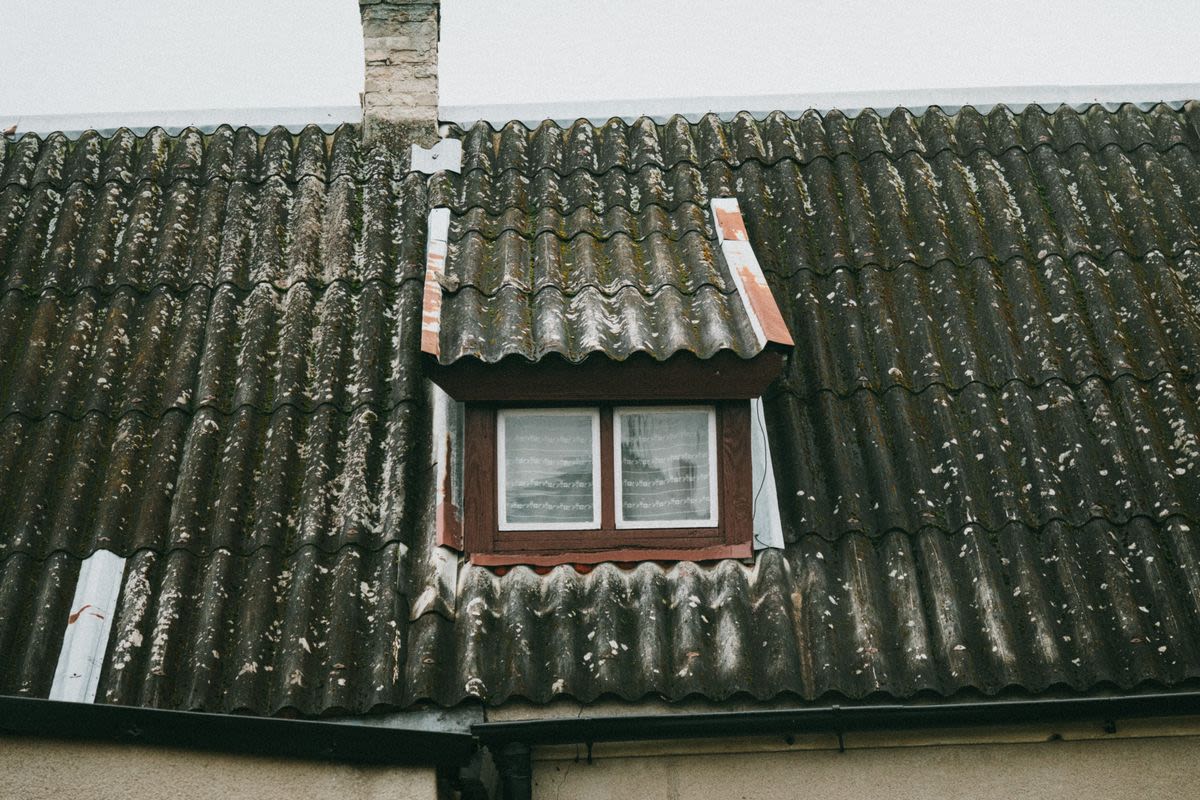
This is the one that genuinely matters. Sheds and garages put up before the 1980s often have roofs or side panels made from asbestos-cement, a grey, slightly fibrous corrugated sheet. It's stable while it's intact, but drilling, snapping, or smashing it releases fibres you do not want to breathe, and you cannot legally put it in a skip or a general waste load.
Asbestos-cement is classed as hazardous waste and has to go to a licensed facility, double-wrapped and documented. The Health and Safety Executive's guidance on safely removing asbestos cement from around the home is the sensible first read before anyone touches a suspect roof. Bristol City Council accepts small amounts of household asbestos at its recycling centres by prior arrangement only - never just turn up with it. If your shed roof looks the part, stop and get it checked before demolition, not after.
Access, Parking and Why Bristol Adds to the Cost
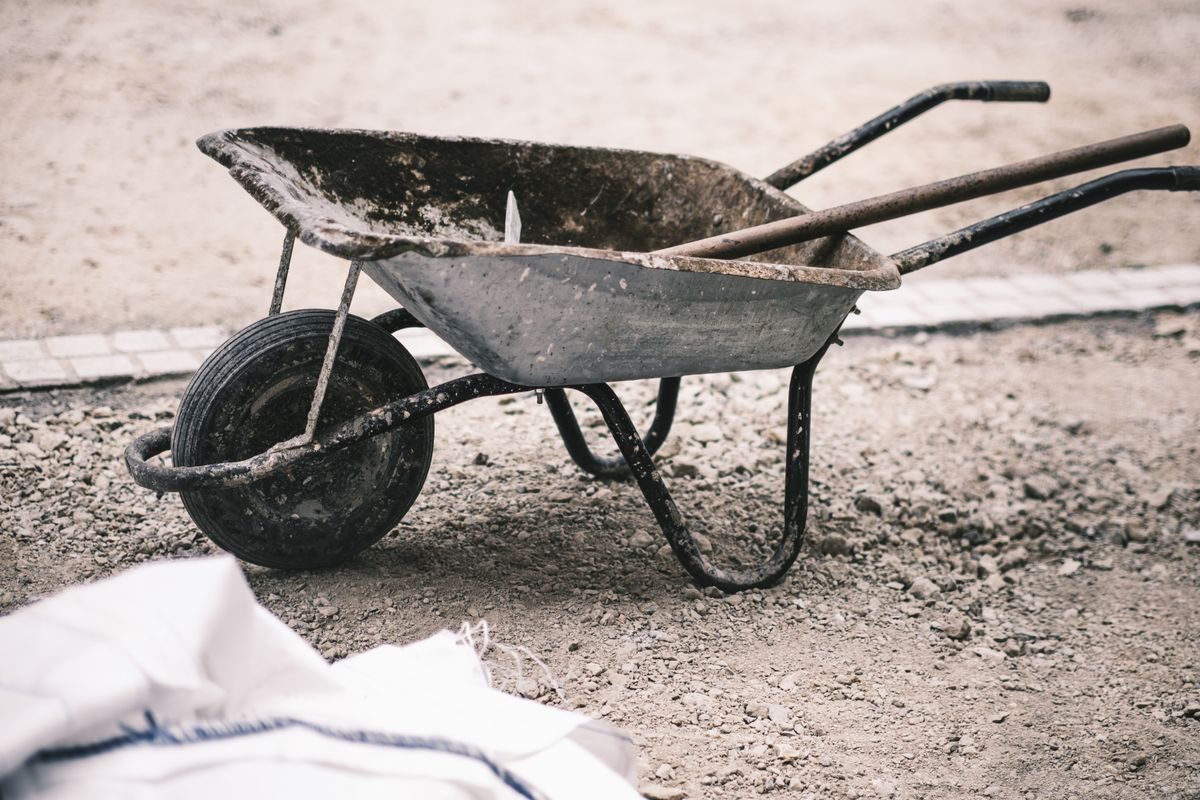
Bristol geography is a real line on the invoice. Long terraced gardens in Bedminster, Easton, or Totterdown often mean carrying every panel and every barrow of rubble 20 or 30 metres to the road through a side gate that a wheelbarrow only just clears. Steps down to a lower garden, common on the city's slopes, add a stage to every single load.

Parking is the other tax. Large parts of central Bristol sit inside Residents' Parking Zones, and a Penalty Charge Notice is £70, halved to £35 if paid within 14 days. A crew that can't park close has to carry further, which is why the same shed can be quoted £30 - £50 higher in one postcode than another. Flag the access and parking situation when you book so it's priced properly rather than sprung on the day. We go into wider disposal routes in our guide to shed and outbuilding clearance in Bristol, which is worth a look if the contents need clearing before the structure comes down.
Do You Need Permission to Demolish a Shed?
For a normal domestic garden shed, no. Taking down an outbuilding is almost always permitted development and needs no planning application. The rules only start to bite on larger structures, listed buildings, or properties in a conservation area, of which Bristol has more than 30, where demolition of certain outbuildings can need prior approval. If you're unsure, a two-minute check on Bristol City Council's planning pages settles it before you swing a hammer.
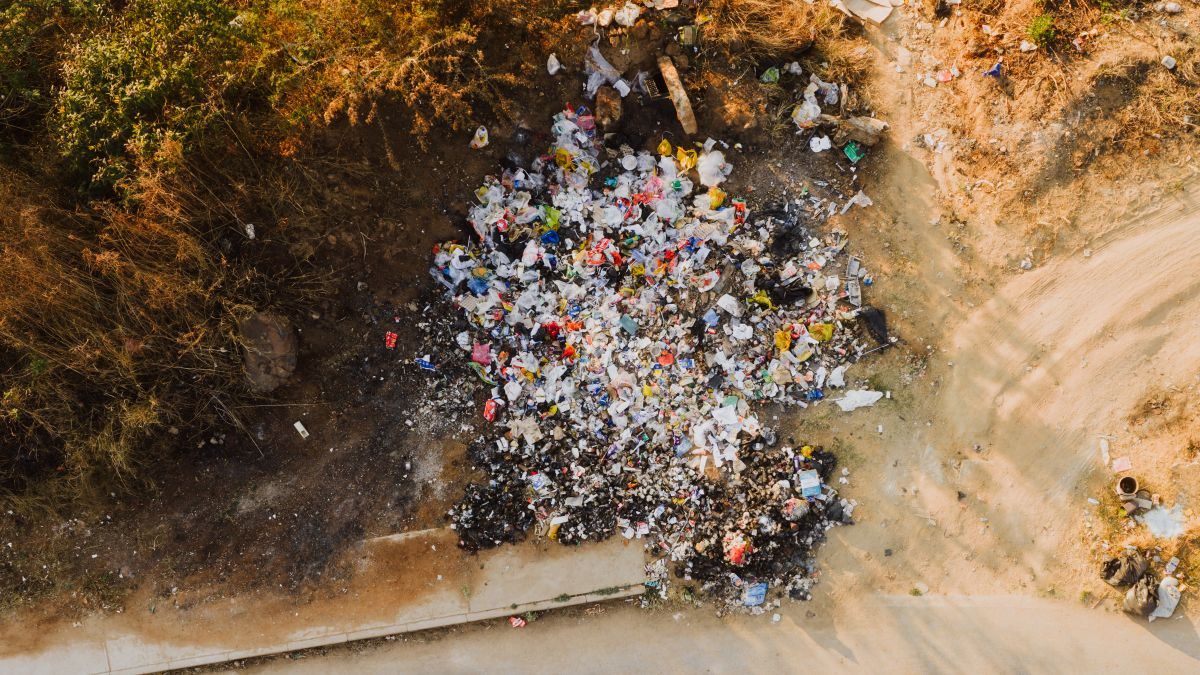
The disposal side has firmer rules. Under the government's guidance on your household waste duty of care, you're responsible for making sure whoever carts the demolished shed away is authorised to carry waste. If a cash-in-hand van fly-tips your old shed in a lane and it's traced back to you, the fine can land on you, often via a fixed penalty of up to £600, even though you didn't dump it. Check any operator on the Environment Agency's public register of waste carriers and brokers and ask for a waste transfer note. A legitimate firm hands one over without being asked.
What Shed Demolition and Removal Costs in Bristol
Small timber shed (up to 6ft x 4ft), good access, no base work: £150 - £250.
Standard timber shed (6ft x 8ft to 8ft x 10ft), including floor and light base: £250 - £400.
Metal or concrete-sectional shed, or large outbuilding, tight access: £400 - £600+.
Breaking up and removing a concrete base adds £150 - £350 depending on thickness and size. Asbestos-cement roofing or panels are always priced separately because of the licensed disposal and handling required - expect a specific quote rather than a rule of thumb. Combining the demolition with a garden or garage clearance in the same visit usually works out 30 - 40% cheaper than booking the jobs separately.
---
FAQ
Q: How much does it cost to demolish and remove a shed in Bristol?
A: A small timber shed with good access costs around £150 - £250. A standard 6ft x 8ft shed including the floor is typically £250 - £400. Metal, concrete-sectional, or large outbuildings with tight access run £400 - £600 or more. Breaking up and removing a concrete base adds £150 - £350, and any asbestos roofing is priced separately.
Q: Can you take the concrete base out as well?
A: Yes, but it's the biggest hidden cost. A 4-inch concrete pad under an average shed produces close to a tonne of rubble, and disposal is charged by weight. Removing it typically adds £150 - £350. If you're building on the spot, decide early whether a sound base can stay, as that can save money.
Q: My shed roof might be asbestos - what should I do?
A: Stop and get it checked before anyone touches it. Asbestos-cement is hazardous waste and cannot go in a skip or general load - it must be double-wrapped and taken to a licensed facility. Read the HSE's guidance first, and note that Bristol City Council only accepts household asbestos by prior arrangement, never on a turn-up basis.
Q: Do I need planning permission to demolish a garden shed?
A: For a normal domestic shed, no - it's permitted development. Permission may be needed for larger structures, listed buildings, or outbuildings in one of Bristol's conservation areas. A quick check on Bristol City Council's planning pages confirms your specific situation before you start.
---
Ready to work with B's Waste Removal?
Let's connect! We’re here to help.
Send us a message and we’ll be in touch.
Or give us a call today at 111-222-3333
Agency Contact Form
More Marketing Tips, Tricks & Tools
B's Waste Removal