Overgrown Garden Clearance in Bristol: Costs and What's Involved
A neglected garden doesn't stay still - a bramble can push out new canes of two to three metres in a single growing season, and ivy left alone will smother a fence, a shed, and eventually a wall. Give it two or three years and what was a lawn becomes a genuine clearance job, not a weekend of weeding. In Bristol, where the mild, wet climate delivers rain on roughly 160 days a year and a long growing season that runs from March well into October, gardens run wild faster than in drier parts of the UK. Add the fact that a huge share of the city's homes are Victorian terraces with narrow side returns and no rear vehicle access, and clearing a jungle in Totterdown or Easton becomes a proper logistical exercise. This guide covers what overgrown garden clearance in Bristol actually involves - heavy bramble, self-seeded trees, years of accumulated waste - and what it realistically costs.
Why an Overgrown Garden in Bristol Is a Clearance Job, Not Green Bin Waste
There's a real difference between garden maintenance and garden clearance. Trimming a hedge and bagging some clippings is bin territory. Cutting back a decade of brambles that have grown through an old trampoline, pulling out self-seeded sycamores, and hauling out the rotting shed underneath is a clearance - it needs tools, muscle, and a vehicle, not a wheelie bin.
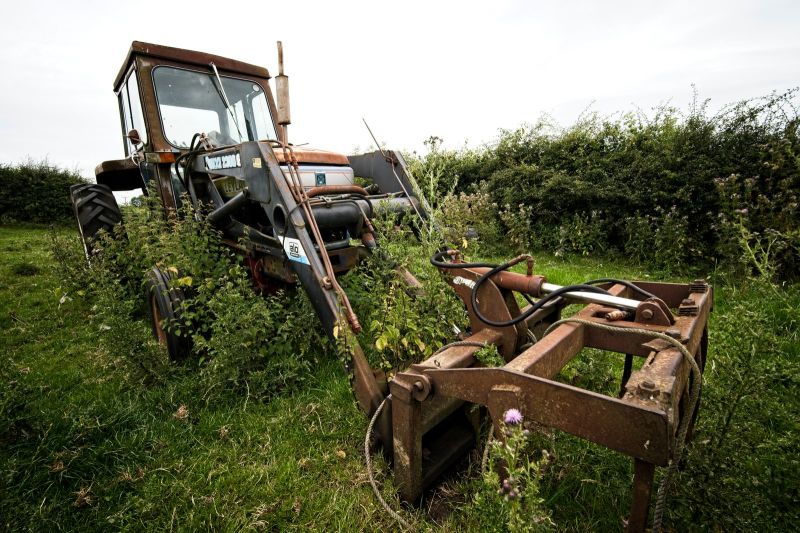
Bristol's climate is a big part of why gardens here get so out of hand. The city's mild winters rarely kill off growth completely, and the long wet spring gives everything a head start. Buddleia seeds itself into walls and paths, ivy climbs anything vertical, and bramble is the classic Bristol back-garden coloniser. A dense bramble thicket can weigh several hundred kilograms once cut, and the thorns make it slow, awkward work.
B's Waste Removal clears overgrown gardens across Bristol - from waist-high grass and bramble right up to full jungle clearances with years of hidden waste underneath. Get in touch through the main site if you want a sense of what your garden would involve.
What Overgrown Garden Clearance in Bristol Usually Involves
A proper clearance runs in stages, and the order matters. First comes cutting back and pulling out the living growth - brambles, nettles, ivy, buddleia, and any self-seeded saplings. Then the hidden layer surfaces: it's genuinely common to find old paving slabs, a collapsed shed, rusted garden furniture, bags of sand gone solid, and general rubbish buried under years of growth. Roughly half of overgrown-garden jobs turn up a shed or outbuilding that also needs demolishing and removing.
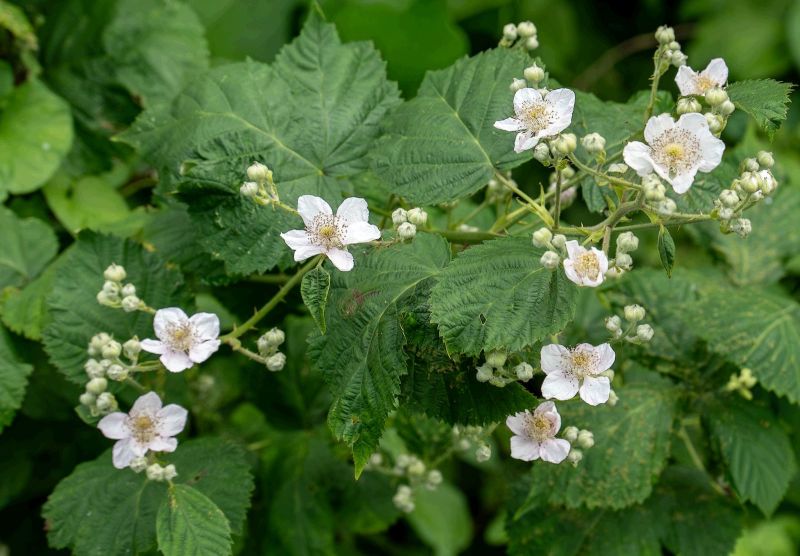
The third stage is dealing with the roots and the ground. Bramble and ivy roots run deep, and without removing the crowns they simply grow straight back. For a garden you actually want to use again, that means digging out root balls, not just strimming the tops.
Sorting What Can Be Recycled
Not all garden waste goes the same way. Green waste - leaves, cuttings, soft growth - can be composted at licensed facilities, and a good clearance firm separates it out. Timber from an old shed or decking goes to wood recycling. Rubble, slabs, and hardcore go to an inert waste stream, and any general rubbish found underneath gets sorted for recycling where possible. Around 60% of a typical mixed garden clearance can be diverted from landfill when it's properly separated, which is worth asking about before you book.
Dealing With Brambles, Ivy, and the Serious Stuff
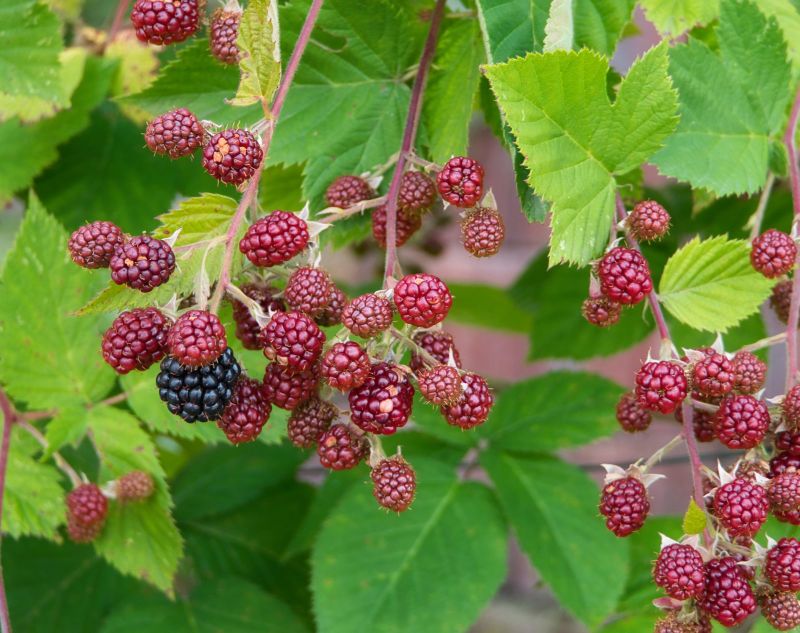
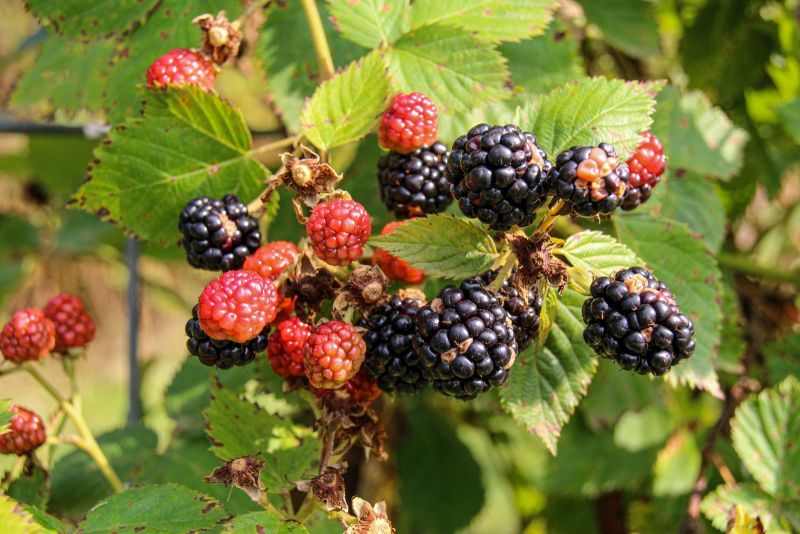
Brambles are the workhorse problem of Bristol gardens. They spread by both seed and by "tip-rooting" - where a cane arches over, touches the soil, and roots to form a new plant. That's why a bramble patch expands in a widening circle year on year. Clearing them means cutting the canes back to the ground, then digging out the root crowns, which can be the size of a football on an established plant.

Ivy is the other big one, especially against Bristol's older stone and rendered walls. It clings with aerial rootlets that damage mortar and lift render, and mature ivy stems can be as thick as your wrist. It needs cutting at the base and peeling off carefully rather than ripped, which can pull chunks of wall with it.
When It Might Be Japanese Knotweed
Occasionally an overgrown Bristol garden hides something more serious - Japanese knotweed. It has distinctive bamboo-like stems and shovel-shaped leaves, spreads aggressively, and can affect a property's mortgageability. It's classed as controlled waste and must not be spread or fly-tipped. If you suspect it, don't strim or dig it - follow the government's guidance on identifying and preventing the spread of Japanese knotweed, as it needs specialist treatment and licensed disposal rather than a standard clearance.
What Overgrown Garden Clearance Costs in Bristol
Pricing depends heavily on size, density, and access, but as a rough guide for Bristol:
Small overgrown garden (up to ~30m², light bramble and weeds): £150 - £300.
Medium garden (jungle-like, dense growth, some buried waste): £300 - £600.
Large or severely overgrown garden (heavy bramble, saplings, shed to demolish): £600 - £1,200+.
Extra costs to expect: shed or outbuilding demolition and removal often adds £150 - £400, and difficult access - no rear gate, carrying everything through the house, or a steep terraced plot - can add 20 to 40% to the labour. Most Bristol garden clearances are quoted on a site visit or from photos, because density is almost impossible to judge from a description alone. A day's work with a two or three-person crew clears a surprising amount, but a true decade-long jungle can run to two or three days.
Access, Parking, and the Bristol Terrace Problem
This is where Bristol gardens get expensive. A large proportion of the city's housing is Victorian terraces with no side or rear vehicle access, which means every cut bramble, every slab, and every bit of shed timber has to be carried back through the house or down a narrow side passage to the van. That's slow, and it's the single biggest driver of clearance cost on terraced streets in Easton, Bishopston, and Bedminster.

Parking adds another layer. Much of inner Bristol sits inside resident parking zones, so a collection vehicle often can't park directly outside - and carrying garden waste 50 metres to the van, up one of Totterdown's or Windmill Hill's steep streets, adds real time. Tell the clearance company about access and parking at the quote stage; a crew that knows it's a through-the-house job on a permit street can plan and price it properly instead of being caught out on the day.
Bonfires, the Council, and Legal Disposal
It's tempting to just burn a pile of garden waste, but it's rarely a good idea in a dense city like Bristol. There's no outright national ban on garden bonfires, but you can be prosecuted for causing a statutory nuisance if smoke drifts across neighbours - and on Bristol's tightly-packed terraced streets, it almost always does. The council can issue an abatement notice. For most people, having the waste taken away is simpler and safer than a smoky standoff with the neighbours.
The legal must-do is checking who carries your waste away. Anyone removing garden waste for payment has to be a registered waste carrier, and you can check a firm in about 30 seconds on the Environment Agency's public register of waste carriers, brokers and dealers. Under the household duty of care, if your cleared garden waste is fly-tipped, the liability can come back to you. Councils dealt with over a million fly-tipping incidents in England last year, and garden waste is one of the most commonly dumped types. For the smaller stuff your bin and the tip can handle, we've broken down what your Bristol garden waste bin takes versus what needs a collection, which is worth reading before you book a full clearance. You can also check kerbside and bulky options on Bristol City Council's bins and recycling pages.
Best Time to Clear an Overgrown Garden in Bristol
Timing genuinely affects how easy the job is. Late autumn and winter - roughly November to February - is the best window for a heavy clearance. The growth has died back, brambles are leafless and easier to cut, and there are no nesting birds to worry about. That last point matters legally: it's an offence to disturb an active nest, and a dense overgrown Bristol garden is exactly where birds nest between March and August, so a summer clearance sometimes has to work around them.

The trade-off is that winter is Bristol's wettest stretch, and a waterlogged garden turns to mud underfoot, which slows the carrying and can churn up a lawn you were hoping to save. Spring, before growth explodes in April, is a good compromise. Whatever the season, don't leave it - an overgrown garden gets harder and more expensive to clear every year it's left, as roots deepen, saplings thicken into small trees, and more waste accumulates underneath.
---
FAQ
Q: How much does it cost to clear an overgrown garden in Bristol?
A: A small overgrown garden typically costs £150 - £300, a medium jungle-like garden £300 - £600, and a large severely overgrown plot £600 - £1,200 or more. Demolishing and removing an old shed usually adds £150 - £400, and difficult access - no rear gate or a through-the-house carry - can add 20 to 40% to the labour. Most jobs are quoted from a site visit or photos.
Q: Can I put bramble and heavy garden waste in my council green bin?
A: Only small amounts of soft green waste fit the kerbside garden bin. Heavy bramble, ivy root balls, self-seeded saplings, and any buried waste like slabs, timber, or an old shed are well beyond what the bin takes and need a proper clearance with a van.
Q: What if my overgrown Bristol garden has Japanese knotweed?
A: Don't strim, dig, or move it, as that spreads it. Japanese knotweed is controlled waste and needs specialist treatment and licensed disposal. Follow the government's guidance on identifying and preventing its spread, and use a firm equipped to handle it rather than a standard garden clearance.
Q: Is it better to clear an overgrown garden in winter or summer?
A: Winter, roughly November to February, is usually best - the growth has died back, brambles are easier to cut, and there are no nesting birds to disturb, which is legally protected between March and August. Spring before growth takes off is a good compromise; the main winter downside in Bristol is mud from the wet weather.
Q: How do I make sure my garden waste is disposed of legally in Bristol?
A: Use a registered waste carrier and check them on the Environment Agency's public register before booking. Ask for a waste transfer note. Under the household duty of care, if your garden waste is fly-tipped the responsibility can fall on you as the householder, so a quick licence check is worth doing every time.
---
Ready to work with B's Waste Removal?
Let's connect! We’re here to help.
Send us a message and we’ll be in touch.
Or give us a call today at 111-222-3333
Agency Contact Form
More Marketing Tips, Tricks & Tools
B's Waste Removal