Garden Waste Clearance in Bristol: What Your Bin Takes vs What Needs a Collection
Bristol City Council's garden waste collection runs roughly March to November, with a typical capacity of around 240 litres per collection, which sounds like a lot until you've spent a Saturday cutting back an overgrown hedge or clearing a jungle of a back garden. A decent hedge trim alone can produce 3-4 times that volume, and that's before you get to branches too thick for the bin, old decking, or a pile of turf from re-landscaping a lawn. Knowing what your garden bin can realistically handle, and when it's worth booking a clearance instead, saves a lot of repeated trips and half-full bin collections.
What Actually Fits in a Garden Waste Bin
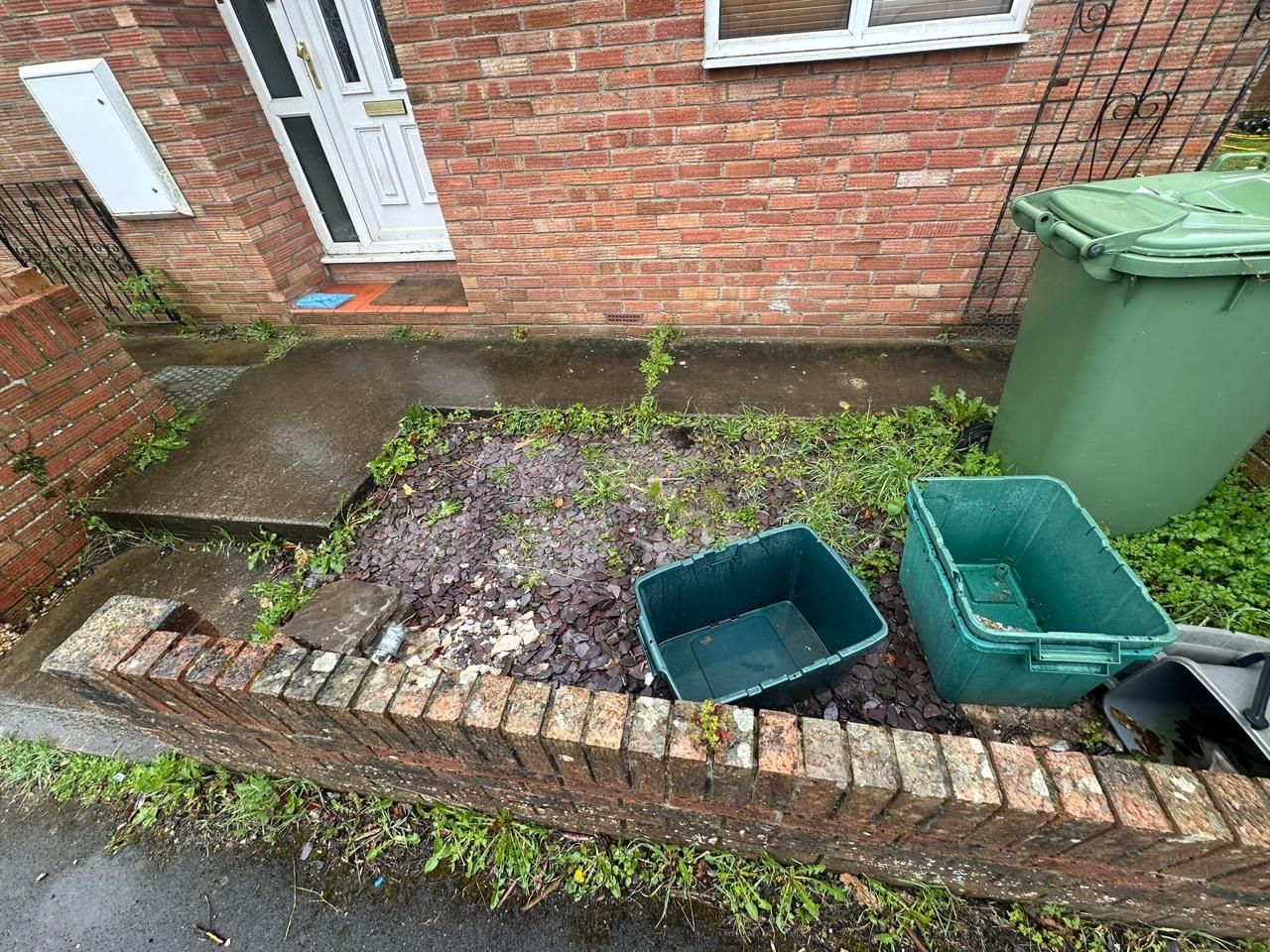
If you're not sure whether what you've got needs a bin, a skip, or a clearance team, B's Waste Removal can usually tell from a quick description or a couple of photos.
Garden waste bins are designed for grass cuttings, leaves, hedge trimmings, small branches (typically under about 5cm in diameter, depending on the council's specific rules), weeds, and plant cuttings. What they're not designed for, even though people often try, includes soil, turf, rubble, tree stumps, large branches or logs, and anything that isn't actually garden waste, like old fence panels or decking boards. Bristol's collection crews will leave a bin uncollected if it's contaminated with non-garden material, which means waiting another fortnight with the bin still full.
Soil and Turf Are the Most Common Mistake
One of the most common things people try to put in a garden bin is soil and turf from re-laying a lawn or digging a new bed, and it's also one of the most common reasons bins get rejected. Soil and turf are heavy, and councils generally classify them differently from "green waste" because of weight limits on collection vehicles and because soil doesn't compost the same way as plant material. A single skip of turf from an average-sized garden can weigh well over a tonne, which is far beyond what a garden waste bin (or several of them) could handle even if it were allowed.
When a Clearance Makes More Sense Than the Bin
For anything beyond routine grass and hedge maintenance, a one-off clearance is usually faster and less hassle than weeks of partial bin collections. This applies to situations like clearing an overgrown garden after moving into a new property, removing a dead tree or large shrubs, getting rid of old garden furniture, sheds, or greenhouses that have reached the end of their life, and post-landscaping clean-ups where there's a mix of soil, turf, rubble, and plant waste that the council bin won't take anyway.
We've covered what to do with renovation waste in Bristol, and garden clearances follow a similar logic: mixed waste streams (soil, green waste, hard materials) are usually better handled in one collection than split across different disposal routes.
Bonfires and Burning Garden Waste
Burning garden waste at home is legal in most circumstances in Bristol, but it's becoming less practical and more likely to cause problems with neighbours, especially in denser residential areas. Smoke that drifts into neighbouring gardens or across a street can be reported as a nuisance, and persistent complaints can lead to enforcement action under environmental protection rules. For anyone doing a significant garden clear-out, a collection avoids this entirely and means the green waste gets composted or processed properly rather than going up in smoke, literally.
Seasonal Timing
Garden waste volume isn't constant through the year. Spring (March-May) tends to bring a surge as people tackle growth from the winter and prepare beds for the season, while autumn (September-November) brings leaf fall and the last hedge cuts before winter. Booking a clearance just before these peak periods, rather than during them, often means quicker availability. Outside the council's collection season (typically December-February), having a clearance booked is also one of the few ways to get garden waste removed at all, since the kerbside bin service usually pauses over winter.
Getting the Timing and Scope Right
The honest answer to "bin or clearance?" comes down to volume and material type more than anything else. A bin's fine for ongoing maintenance, a bit of grass and the odd hedge trim. Once you're dealing with soil, large quantities, or anything that isn't pure green waste, a clearance avoids the back-and-forth of rejected collections and half-measures.
FAQ
Q: Can I put soil or turf in my garden waste bin in Bristol? A: Generally no. Soil and turf are usually classified separately from green garden waste due to weight and composting differences, and bins containing them are often left uncollected.
Q: What's the largest branch size a garden waste bin will take? A: This varies, but as a general guide, branches over roughly 5cm in diameter are often too large for standard garden waste collections and may need cutting down further or removing via a clearance.
Q: Is it legal to burn garden waste in Bristol? A: In most residential areas, yes, but smoke affecting neighbours can lead to nuisance complaints and potential enforcement action. A clearance is often a more practical option, especially in denser areas.
Q: What happens to garden waste outside the council's collection season? A: Bristol's kerbside garden waste collections typically run March to November. Outside this period, a one-off clearance is often the only practical way to remove garden waste.
Ready to work with B's Waste Removal?
Let's connect! We’re here to help.
Send us a message and we’ll be in touch.
Or give us a call today at 111-222-3333
Agency Contact Form
More Marketing Tips, Tricks & Tools
B's Waste Removal